- Leigh Syndrome French Canadian Type (LRPPRC) Carrier: What Quebec Research Says About Your Result
- What Leigh syndrome is, and what makes the French Canadian type different
- Inheritance: autosomal recessive, the founder effect, and the 1 in 4 figure
- How common is it? Turning regional numbers into real risk
- Testing options: 23andMe, clinical carrier screening and diagnostic tests
- Reading your result: carrier, negative, and uncertain findings
- Family-planning options for carrier couples
- Care and treatment: what exists today and what is still experimental
- Telling relatives, insurance and emotional impact in the US and Canada
- Frequently asked questions
- Summary
- References
Leigh Syndrome French Canadian Type (LRPPRC) Carrier: What Quebec Research Says About Your Result
This article is for educational purposes only. It is not a substitute for advice from a licensed physician, board-certified medical geneticist, or board-certified genetic counselor. It does not replace medical care, diagnosis, or genetic counseling. For any decisions about testing, treatment, or care, consult a qualified clinician. In emergencies, call 911.

My 23andMe report says I carry Leigh syndrome French Canadian type. Should I worry?

That is a fair first reaction. Quebec health ministry guidance explains what a carrier result means for you and what it means for future children.
If my wife turns out to be a carrier too, can I handle that news?
Nobody has to process a result like that alone. Quebec’s carrier screening program pairs carrier results with genetic counseling, and counselors in the US and Canada offer the same support.
We hope to have kids soon. What does this mean for them?
GeneReviews explains how a child’s chance depends on both parents’ results, and how relatives can be tested in turn. The sections ahead walk through each step.
OK, so what should I actually do next?
The ACMG carrier screening guidance and Quebec’s program both describe clinical testing paths. The sections ahead cover them, ending with a talk with a certified genetic counselor.
Bottom line: Quebec studies show that a carrier of Leigh syndrome French Canadian type is healthy and is not expected to develop it. The result matters for future children. A child can only be affected when both parents carry a variant in the LRPPRC gene. In that case the chance is 1 in 4, or 25 in 100, for each pregnancy. A genetic counselor can help a couple sort out what comes next.
What you’ll learn
- What Leigh syndrome French Canadian type is, and why it is more common in one region of Quebec
- How a carrier result changes the risk for a couple, in plain numbers
- What a 23andMe carrier report covers, and what it misses
- Which tests, family-planning options and legal protections exist in the US and Canada
What Leigh syndrome is, and what makes the French Canadian type different
What exactly is Leigh syndrome? I had never heard of it before.
MedlinePlus Genetics describes Leigh syndrome as a rare, serious brain disorder of cell energy that usually starts in infancy. The French Canadian type comes from changes in the LRPPRC gene.
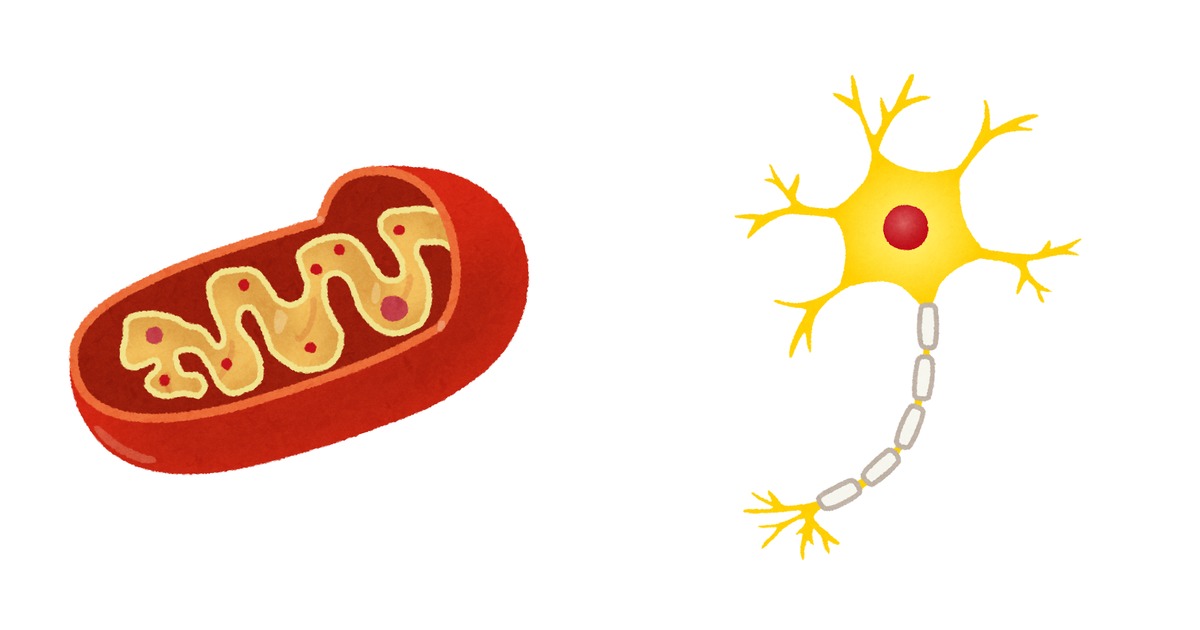
Leigh syndrome is a rare and serious brain disorder that usually starts in babies. It comes from a problem in the mitochondria. These are tiny parts inside cells that turn food into energy. When they fail, the brain and muscles run short of fuel.
The U.S. National Library of Medicine describes the main signs. A baby may lose skills they already had, such as sitting or feeding. Muscles may be floppy, and weight gain may stall.
Lactic acid often builds up in the blood. This buildup is called lactic acidosis, and it is a sign that cells are short of energy. Brain scans show typical spots in deep parts of the brain.
More than 110 genes can cause Leigh syndrome. One of them is LRPPRC. Changes in this gene cause a form called Leigh syndrome, French Canadian type, often shortened to LSFC. Scientists found the gene in 2003 by combining several kinds of data. The gene’s product helps mitochondria handle their own genetic messages. When it fails, an energy enzyme called cytochrome c oxidase (also called complex IV) works poorly.
Leigh syndrome as a whole often leads to death within two to three years. A small number of people have a later start or a slower course. LSFC has its own pattern, described below.
Quebec doctors have followed children with LSFC for decades. Their studies point to some features that set it apart.
| Feature | What Quebec studies report |
|---|---|
| Sudden crises | About 9 in 10 children had acute crises |
| Type of crisis | Severe lactic acidosis, or stroke-like brain events |
| Liver | Fatty changes in the liver were seen after death |
| Development | Delays, weak muscles and slow growth |
| Survival range | From 5 days to more than 30 years |
A crisis often follows an illness, surgery or a long fast. Think of it like a car with a small fuel tank. It runs on a normal day, but a long uphill drive can empty the tank fast.
These features describe affected children. They do not describe carriers. A genetic counselor or a pediatric neurologist can explain how they apply to a specific family.
Do those crises and survival numbers apply to me as a carrier?
No, the Debray 2011 Quebec study describes affected children only, and their survival varied widely, from 5 days to over 30 years. A pediatric neurologist or genetic counselor can explain what fits your family.
Section recap: LSFC is a rare energy disorder of the brain and body, caused by the LRPPRC gene. Its hallmark is sudden metabolic crises, though outcomes vary widely.
Inheritance: autosomal recessive, the founder effect, and the 1 in 4 figure
So does being a carrier mean my child will get it?
Not on its own. GeneReviews gives a 1 in 4 chance, or 25 in 100, per pregnancy only when both parents carry an LRPPRC variant.
LSFC is autosomal recessive. That means a child must get a non-working copy of LRPPRC from both parents to be affected. A person with one non-working copy and one working copy is called a carrier. Carriers do not have symptoms and are not at risk of the disorder. The working copy does enough of the job.
When both parents are carriers, each pregnancy has the same odds:
| Outcome for each pregnancy | Chance | Out of 100 |
|---|---|---|
| Child is affected | 1 in 4 | 25 in 100 |
| Child is a healthy carrier | 2 in 4 | 50 in 100 |
| Child is not a carrier | 1 in 4 | 25 in 100 |
These odds reset with each pregnancy. It works like rolling a die again. The last result does not change the next one.
The 1 in 4 figure applies only when both partners carry an LRPPRC variant. If only one partner is a carrier, the child cannot inherit LSFC from that pair of genes. The one exception would be a variant in the other partner that a test missed. So the risk is very low, but not zero.
Why is LSFC more common in this part of Quebec? The answer is a founder effect. A founder variant is a gene change carried by a few early settlers. It then spreads through their many descendants. A 1993 study traced the family trees of 54 known carriers. It found 26 ancestors shared by all of them.
Most were Europeans who came in the 1600s.
Almost all Quebec cases share one founder variant. In one study, 55 of 56 patients had two copies of the same change. Lab reports name it c.1061C>T, or p.Ala354Val. Older papers call it A354V.
My grandparents came from Saguenay. Does my wife’s family history matter too?
A 1993 study traced 54 known carriers to 26 shared ancestors, mostly early settlers, so your wife’s roots matter too. A genetic counselor can map both family trees with you.
| Gene detail | Value |
|---|---|
| Gene | LRPPRC |
| Founder variant | c.1061C>T (p.Ala354Val), also called A354V |
| ClinVar status (a public gene database) | Pathogenic, meaning it causes disease |
| Patients with two founder copies | 55 of 56 in one study |
LSFC differs from other forms of Leigh syndrome. About 20 in 100 cases of Leigh syndrome come from mitochondrial DNA. That DNA passes only from mother to child. LRPPRC sits in the cell’s main DNA, so LSFC follows the recessive pattern instead. A genetic counselor can draw a family tree and show which pattern fits.
Section recap: LSFC needs two non-working copies of LRPPRC, one from each parent. A founder effect from early settlers explains why it clusters in one region.
How common is it? Turning regional numbers into real risk
How common is being a carrier where my family comes from?
A 2025 Quebec study found about 1 carrier in 26 to 27 among screened people with these regional roots. Among other Quebec residents, it was about 1 in 291.
The numbers depend a lot on family roots. Here is how they compare.
| Group | Births affected | Carriers |
|---|---|---|
| Leigh syndrome, all types, worldwide | At least 1 in 40,000 | Not applicable |
| LSFC in Saguenay-Lac-Saint-Jean | About 1 in 2,000 | About 1 in 23 to 1 in 27 |
| Quebec residents without these regional roots | Not reported | About 1 in 291 |
A carrier rate of 1 in 23 means about 4 in 100 people with these roots carry the founder variant. In the screening program, the rate was 1 in 26 to 1 in 27. Outside the region, it was about 10 times lower.
Here is a rough estimate for two untested partners who both have regional roots. Multiply 1 in 23, by 1 in 23, by 1 in 4. The result is about 1 in 2,100 per pregnancy. That fits the birth rate seen in the region. Treat this as an estimate, not a personal number.
A carrier result changes this math. Once one partner is a known carrier, the key question is the other partner. If the other partner also carries a variant, the risk becomes 1 in 4. If the other partner tests negative on a broad test, the risk drops to very low.
My wife’s French Canadian family lives in New England. Does that rate apply?
The 1 in 23 to 1 in 27 rates come from Quebec studies only, and no published rate for New England families was found. A genetic counselor can estimate risk for you as a couple.
What about French Canadian families in New England, Louisiana or elsewhere? No published carrier rate for these groups was found. Data are limited. It is not safe to assume the Quebec regional rate applies.
Three common cases show how the numbers shift.
| Couple’s situation | Rough chance of LSFC per pregnancy |
|---|---|
| Both partners are known carriers | 1 in 4, or 25 in 100 |
| Both have regional roots, neither tested | About 1 in 2,100 (estimate) |
| One carrier, partner tests negative on a broad test | Very low, but not zero |
The gap between these rows is large. That is why testing the partner is often the most useful next step.
A genetic counselor can estimate risk for a specific couple. That estimate uses family history and test results together.
Section recap: About 4 in 100 people with Saguenay-Lac-Saint-Jean roots are carriers. A couple’s real risk depends mostly on whether both partners carry a variant.
Testing options: 23andMe, clinical carrier screening and diagnostic tests
Isn’t my 23andMe report enough to know where I stand?
The 23andMe clinician catalog lists only one LRPPRC variant for this condition, so other LRPPRC changes are not checked. A genetic counselor can help choose a broader clinical test.
There are three main kinds of tests. Each one answers a different question.
| Test type | Who orders it | What it looks at |
|---|---|---|
| 23andMe Carrier Status | The consumer | 1 variant in LRPPRC |
| Quebec carrier test program | The person, online | Founder variants for 6 conditions |
| Clinical carrier screening (US) | A clinician | Many genes, depending on the lab panel |
| Diagnostic testing | A specialist | A sick child’s genes, enzymes and mitochondrial DNA |
23andMe. Its catalog lists LSFC with one LRPPRC variant. The catalog page does not name which variant it tests. The report does not look at other LRPPRC changes. It also skips the many other Leigh genes and mitochondrial DNA.
Quebec’s program. The Quebec health ministry offers free carrier tests to eligible residents. The program began in one region in October 2010 and went province-wide in January 2018. People order a cheek swab kit online and mail it back. The program now covers six conditions:
- ARSACS, a nerve and balance disorder
- Congenital lactic acidosis, the official Quebec name for LSFC
- Hereditary tyrosinemia type 1
- Sensorimotor neuropathy (ACCPN)
- Mucolipidosis type 2
- Zellweger spectrum disorder
Eligibility follows the rules on the Quebec website:
- Age 18 or older
- At least one biological grandparent born in Saguenay-Lac-Saint-Jean, Charlevoix or Haute-Côte-Nord
- Planning to have children, or pregnant 16 weeks or less, or the partner of such a person
- A partner becomes eligible if the eligible partner turns out to be a carrier
- Free with a valid RAMQ health card, or under a specific agreement such as the Canadian Armed Forces
From 2010 to 2022, the program tested 20,604 people. It found 22 couples in which both partners carried the LSFC variant.
US clinical screening. The American College of Medical Genetics and Genomics (ACMG) has a tiered plan. It says all pregnant patients and those planning a pregnancy should be offered Tier 3 screening.
LRPPRC is not in the ACMG Tier 3 gene tables. Broader Tier 4 testing is advised when family history calls for it. French Canadian roots and a 23andMe carrier result may count as that history. Myriad lists LSFC on its Foresight disease pages. For any other panel, ask the lab whether LRPPRC is included.
My cousin lives in Quebec. Could she use the free program?
The Quebec health ministry lists age 18 or older and a biological grandparent born in Saguenay-Lac-Saint-Jean, Charlevoix or Haute-Côte-Nord. The person must also plan children, be pregnant 16 weeks or less, or be such a person’s partner, and the test is free with a valid RAMQ card.
Diagnostic testing. This is a separate path for a child with symptoms. Child brain doctors (pediatric neurologists) or metabolic specialists lead it. It can include a broad gene test, a mitochondrial DNA test and enzyme studies.
A genetic counselor can help pick the right test. Counselors in the US hold the CGC credential from the American Board of Genetic Counseling (ABGC). In Canada, the Canadian Board of Genetic Counselling grants the CCGC credential. The NSGC is a professional society, not a certifying body. Its directory at NSGC.org lists counselors by area.
Section recap: A 23andMe report checks one variant only. Quebec’s free program, US clinical panels and diagnostic tests each answer a different question.
Reading your result: carrier, negative, and uncertain findings
My result says carrier. Does that mean I’ll get sick someday?
No. The Quebec health ministry states that a carrier is not affected and will not become affected, so the result is about family planning.
A lab report can show one of three main results. Each has a different meaning.
| Result | What it means | Common next step |
|---|---|---|
| Carrier | One non-working copy, with no personal symptoms | Test the partner |
| Negative | The tested variant was not found | Consider family history |
| VUS | A gene change with unknown effect | Do not act on it alone |
Carrier. A carrier is not affected and will not become affected. GeneReviews says the same. The result is about family planning, not personal health. Think of it like carrying a spare key that only opens a door when it meets a matching key.
Negative. A negative 23andMe result only means the one tested variant was not found. It does not rule out other LRPPRC variants. Case reports from Italy and Saudi Arabia found rare LRPPRC changes outside Quebec. A one-variant test would miss them.
A negative result also does not cover the roughly 90 other recessive Leigh genes. Even Quebec’s own program says a negative result is 99 in 100 reliable, not 100 in 100.
VUS. A variant of uncertain significance, or VUS, is a gene change that science cannot yet label as harmful or harmless. Broad clinical panels sometimes report one. A VUS should not drive a decision on its own. Labs may reclassify it as more data come in.
Confirm any consumer result in a clinical lab before making pregnancy decisions. In the US, that means a CLIA-certified lab. CLIA is the federal quality standard for clinical labs. In Canada, it means an accredited lab or a provincial genetics service.
My wife’s 23andMe came back negative. Are we in the clear?
Not fully, because that report checks one variant only, and case reports from Italy and Saudi Arabia found rare LRPPRC changes. Confirm results in a clinical lab and review them with a genetic counselor.
Genetic counseling is a meeting with a trained counselor. The counselor explains test results and helps a family make choices. Families with a history of unexplained infant deaths should mention it. A counselor can then judge whether a broader test makes sense.
It helps to bring a few things to the first visit:
- A copy of the full test report, not just a screenshot
- The partner’s test results, if any
- A short family tree, with where each grandparent was born
- Notes on any relatives who died young or had a “mitochondrial” illness
- A list of questions about pregnancy plans
Section recap: Carriers stay healthy. A negative consumer result is not a full all-clear, and a VUS needs expert review before any decision.
Family-planning options for carrier couples
If we’re both carriers, are all our choices hard ones?
The Quebec health ministry lists several options, including prenatal testing, IVF with embryo testing, donors and adoption. None is right or wrong, and the choice belongs to the couple.
When both partners are carriers, Quebec offers a medical genetics consultation. The Quebec website lists several options. None is right or wrong. The choice belongs to the couple.
| Option | What it involves |
|---|---|
| Pregnancy with prenatal testing | Chorionic villus sampling at 11 to 13 weeks, or amniocentesis from 15 weeks |
| Pregnancy without prenatal testing | Some couples choose not to test during pregnancy |
| IVF with embryo testing | Testing embryos for the family’s variant before transfer |
| Donor sperm or eggs | Using a donor who does not carry the variant |
| Adoption | Building a family through adoption |
| Not having more children | A choice some couples make |
Some terms need a short explanation. Chorionic villus sampling (CVS) tests a small piece of the placenta. Amniocentesis tests a small sample of the fluid around the baby. In vitro fertilization (IVF) joins egg and sperm in a lab. Preimplantation genetic testing for a single-gene condition (PGT-M) then checks the embryos. Only embryos without two copies of the variant are placed in the uterus.
Prenatal and embryo testing work best when the family’s exact variants are known. That is one more reason to confirm results in a clinical lab first.
Who should we talk to before we start trying for a baby?
GeneReviews notes that prenatal and embryo testing become possible once the family’s exact variants are identified. A genetic counselor or maternal-fetal medicine specialist can plan those steps with you.
Costs differ a lot. The Quebec website notes that assisted reproduction and adoption may involve significant costs. In the US, coverage varies by plan and by state. Ask the insurer and the fertility clinic about current coverage.
A genetic counselor can walk a couple through each option at their own pace. A maternal-fetal medicine specialist can explain the testing steps during pregnancy.
Section recap: Carrier couples have several paths, including prenatal testing, IVF with embryo testing, donors and adoption. A genetic counselor supports the choice without pushing one.
Care and treatment: what exists today and what is still experimental
If a child is affected, is there a medicine that treats it?
An FDA label search in October 2026 found no drug labeled for Leigh syndrome in the US. Care today focuses on support and on preventing crises.
There is no cure for LSFC today. The U.S. Food and Drug Administration (FDA) has no drug labeled for Leigh syndrome, based on a search in October 2026. The Quebec government states that no curative treatment exists. Health Canada’s drug database could not be checked for this article, so Canadian approval status is not stated here.
| Product or study | Regulatory status (US) |
|---|---|
| Any drug for Leigh syndrome | None found by FDA label search, 2026 |
| Elamipretide (Forzinity) | Accelerated approval 2025-09-19 for Barth syndrome only, not Leigh |
| SPP-004 (5-ALA with sodium ferrous citrate) | Not approved, still being studied |
Care focuses on support and on preventing crises. Experts from the Mitochondrial Medicine Society agreed on these steps:
- Carry an emergency care plan, and consider a medical alert bracelet
- Avoid long periods without food, especially during illness
- Get IV fluids with sugar before, during and after surgery
- Use some drugs only with care, such as valproic acid, statins and certain antibiotics
- Keep vaccines up to date, since infection likely poses a bigger risk than vaccines
GeneReviews adds more advice for crises. Doctors may treat high acid levels with sodium bicarbonate or sodium citrate. They avoid IV fluids that contain lactate. Putting a child to sleep for surgery needs careful planning.
Research is still early. A Japanese trial tested SPP-004 in 10 babies with Leigh syndrome of any cause. It was not specific to LRPPRC. In a double-blind phase, neither families nor doctors know who gets the real drug. In an open-label phase, everyone knows.
| Trial detail | Result |
|---|---|
| Patients | 10 children, aged 3 to 24 months |
| Double-blind phase | No significant difference from placebo on the main scale |
| Open-label phase | Scores held steady or improved, but with no comparison group |
| Adverse events | One death from heart failure, thought to be due to the disease |
| Funding | Partly funded by the drug maker, with staff as co-authors |
An adverse event in a trial is any health problem during the study. It is not proof that the drug caused it.
ClinicalTrials.gov lists no trial built only for LRPPRC. A 2003 trial of dimethylglycine in 5 Quebec children found no clear benefit. Some trials enroll people with Leigh syndrome in general. None of them has led to an approval.
I read about a 5-ALA trial. Did it help those babies?
In a 2025 report of a Japanese SPP-004 trial in 10 babies with Leigh syndrome of any cause, the blinded phase showed no significant difference from placebo. It is not approved in the US, and a pediatric neurologist can explain whether any trial fits.
Carriers are not affected by LSFC. The care steps above are meant for an affected child, not for a healthy carrier.
Some families still like to learn about care ahead of time. It can make a hard topic feel less unknown. It can also help when talking with relatives who lost a child years ago.
A pediatric neurologist or a metabolic specialist leads care for an affected child. They can explain whether any trial might fit.
Section recap: No approved drug treats LSFC, and the small 5-ALA trial showed no clear benefit in its blinded phase. Care centers on crisis prevention and expert follow-up.
Telling relatives, insurance and emotional impact in the US and Canada
Should I tell my siblings and cousins about my result?
The Quebec health ministry notes that siblings, cousins and children of a carrier are more likely to be carriers too. Each relative can then decide whether to test.
Telling relatives. A carrier’s close relatives are more likely to be carriers too. In a family with an affected child, each brother or sister of the child’s parents has a 1 in 2 chance of being a carrier. Brothers, sisters and cousins with roots in the region may want testing before a pregnancy. Testing relatives one by one in this way is called cascade testing. It works best once the family’s exact variant is known.
US protections. The Genetic Information Nondiscrimination Act (GINA) of 2008 offers key limits:
- It bars health insurers from using genetic information against a person
- It protects most workers from unfair job decisions based on their genes
- It does not cover life, disability or long-term-care insurance
- It does not apply to employers with fewer than 15 workers or to the US military
The Affordable Care Act also stops health insurers from turning people away for past health problems. Some states add their own protections.
Canadian protections. The Genetic Non-Discrimination Act became law in 2017. No one can require a genetic test, or its results, to provide goods or services. The same rule applies to entering or keeping a contract. In 2020, the Supreme Court of Canada upheld the law in a 5 to 4 ruling.
Its summary gave the example of life insurance. Insurers cannot make people get tested to obtain it. This section describes the laws. It is not legal advice.
| Protection | US (GINA) | Canada (Genetic Non-Discrimination Act) |
|---|---|---|
| Health insurance | Covered | Covered as a contract |
| Employment | Covered, with limits | Covered as a contract |
| Life insurance | Not covered | Covered as a contract |
| Disability or long-term care | Not covered | Covered as a contract |
Could this result hurt my life insurance in the US?
NHGRI notes that GINA covers health insurance and most jobs, but not life, disability or long-term-care insurance. Some states add protections, so a genetic counselor can help you plan questions.
Some families find it easier to share the news with a short, calm message. A few simple steps can help:
- Share the result as useful news, not as a warning
- Explain that carriers are healthy
- Mention the free Quebec program for relatives who qualify
- Suggest a talk with a genetic counselor before a pregnancy
- Let each person decide whether to test
Emotional impact. A carrier result can stir up hard feelings. Families who lost a child to an unnamed illness may feel grief again. Some carriers feel guilt, even though no one chooses their genes. These feelings are common and valid.
Support groups exist for families. In Quebec, the Association de l’acidose lactique du Saguenay-Lac-Saint-Jean and CORAMH are listed by the government. A genetic counselor or a mental health professional can also help.
Section recap: Relatives may want testing too. Laws in both countries limit unfair use of gene test results. But GINA does not cover life or disability insurance.
Frequently asked questions
Can a carrier develop Leigh syndrome French Canadian type?
No. A carrier has one working copy of LRPPRC, which is enough. Quebec health officials state that a carrier is not affected and will not become affected. The result is mainly about future children and relatives.
What is the chance a child of two carriers will have LSFC?
When both parents carry an LRPPRC variant, the chance is 1 in 4 for each pregnancy. That is 25 in 100. There is also a 50 in 100 chance the child will be a healthy carrier. If only one parent is a carrier, the risk is very low but not zero.
Does a carrier result affect health or life insurance?
In the US, GINA protects against genetic discrimination in health insurance. It does not cover life, disability or long-term-care insurance. In Canada, a 2017 law says no one can demand test results to sign a contract. That includes insurance.
Can an employer find out about a carrier result?
In the US, GINA protects most workers from unfair job decisions based on their genes. It does not apply to employers with fewer than 15 workers or the military. In Canada, the federal Act bars requiring test results as a condition of a contract.
Is a second test or second opinion a good idea?
Yes, before any pregnancy decision. A consumer result should be confirmed in a clinical lab. A partner should also have a clinical test that covers LRPPRC. A genetic counselor can review the results and the family history together.
Summary
- LSFC is a rare energy disorder caused by changes in the LRPPRC gene.
- It is far more common in families from Saguenay-Lac-Saint-Jean because of a founder effect.
- About 1 in 23 to 1 in 27 people with these roots is a carrier.
- Carriers are healthy and do not develop the condition.
- A child is at risk only when both parents are carriers, with a 25 in 100 chance per pregnancy.
- A 23andMe report checks one variant, so a negative result is not a full all-clear.
- No approved drug treats LSFC, and care focuses on preventing crises.
- Laws in the US and Canada limit how gene test results can be used.
The best next step is a talk with a certified genetic counselor. Quebec residents with regional roots can also use the province’s free carrier test program.
Related: Neurogenetic Diseases
This article is for educational purposes only. It is not a substitute for advice from a licensed physician, board-certified medical geneticist, or board-certified genetic counselor. It does not replace medical care, diagnosis, or genetic counseling. For any decisions about testing, treatment, or care, consult a qualified clinician. In emergencies, call 911.
References
- MedlinePlus Genetics, U.S. National Library of Medicine / NIH (last updated April 28, 2023). Leigh syndrome. https://medlineplus.gov/genetics/condition/leigh-syndrome/
- Rahman S, Thorburn DR, Ball M. Nuclear Gene-Encoded Leigh Syndrome Spectrum Overview. GeneReviews (NCBI Bookshelf, University of Washington, Seattle), initial posting October 1, 2015; last update May 1, 2025. PMID 26425749. https://www.ncbi.nlm.nih.gov/books/NBK320989/
- McCormick EM, Keller K, Taylor JP, et al.; NICHD ClinGen U24 Mitochondrial Disease Gene Curation Expert Panel; Falk MJ, Zolkipli-Cunningham Z, Rahman S. Expert Panel Curation of 113 Primary Mitochondrial Disease Genes for the Leigh Syndrome Spectrum. Annals of Neurology. 2023;94(4):696-712. PMID 37255483. DOI 10.1002/ana.26716. https://pubmed.ncbi.nlm.nih.gov/37255483/
- Mootha VK, Lepage P, Miller K, et al.; Lander ES. Identification of a gene causing human cytochrome c oxidase deficiency by integrative genomics. Proceedings of the National Academy of Sciences USA. 2003;100(2):605-610. PMID 12529507. DOI 10.1073/pnas.242716699. https://pubmed.ncbi.nlm.nih.gov/12529507/
- Debray FG, Morin C, Janvier A, et al.; Mitchell GA. LRPPRC mutations cause a phenotypically distinct form of Leigh syndrome with cytochrome c oxidase deficiency. Journal of Medical Genetics. 2011;48(3):183-189. PMID 21266382. DOI 10.1136/jmg.2010.081976. https://pubmed.ncbi.nlm.nih.gov/21266382/
- Morin C, Mitchell G, Larochelle J, Lambert M, Ogier H, Robinson BH, De Braekeleer M. Clinical, metabolic, and genetic aspects of cytochrome C oxidase deficiency in Saguenay-Lac-Saint-Jean. American Journal of Human Genetics. 1993;53(2):488-496. PMID 8392291. PMCID PMC1682365. https://pubmed.ncbi.nlm.nih.gov/8392291/
- Fortin CA, Cote-Richer M, Truchon K, et al.; Bouchard L. Successes of an innovative population-based carrier screening program for 4 prevalent recessive hereditary diseases in a population with a founder effect in Quebec, Canada. Genetics in Medicine Open. 2025;3:103435. PMID 40584454. DOI 10.1016/j.gimo.2025.103435. PMCID PMC12206014. https://pubmed.ncbi.nlm.nih.gov/40584454/
- Gouvernement du Quebec / Ministere de la Sante et des Services sociaux (MSSS), Quebec.ca health pages on autosomal recessive hereditary diseases (pages last updated 10-13 February 2025 and 20 June 2025). Offre de tests de porteur pour les maladies hereditaires autosomiques recessives chez les personnes originaires des regions du Saguenay-Lac-Saint-Jean, de Charlevoix et de la Haute-Cote-Nord. https://www.quebec.ca/sante/problemes-de-sante/a-z/maladies-hereditaires-recessives/offre-tests-porteur-maladies-hereditaires-autosomiques-recessives
- Gregg AR, Aarabi M, Klugman S, et al.; ACMG Professional Practice and Guidelines Committee. Screening for autosomal recessive and X-linked conditions during pregnancy and preconception: a practice resource of the American College of Medical Genetics and Genomics (ACMG). Genetics in Medicine. 2021;23(10):1793-1806. PMID 34285390. DOI 10.1038/s41436-021-01203-z. https://pubmed.ncbi.nlm.nih.gov/34285390/
- Parikh S, Goldstein A, Karaa A, et al.; Chinnery PF. Patient care standards for primary mitochondrial disease: a consensus statement from the Mitochondrial Medicine Society. Genetics in Medicine. 2017;19(12). PMID 28749475. DOI 10.1038/gim.2017.107. PMCID PMC7804217. https://pubmed.ncbi.nlm.nih.gov/28749475/
- Abe Y, Hamasaki T, Natsume J, et al.; Ohtake A. Efficacy and Safety of 5-Aminolevulinic Acid Hydrochloride Combined with Sodium Ferrous Citrate in Pediatric Patients with Leigh Syndrome and Central Nervous System Disorders: An Initial Exploratory Trial with a Double-Blind Placebo-Controlled Period, Followed by an Open-Label Period and a Subsequent Long-Term Administration Study. Life (Basel). 2025;15(8):1168. PMID 40868816. DOI 10.3390/life15081168. PMCID PMC12387954. https://pubmed.ncbi.nlm.nih.gov/40868816/
- U.S. FDA (openFDA Drugs@FDA and drug-label endpoints) and ClinicalTrials.gov API (NIH/NLM), queried 2026-10-24. Regulatory and trial-registry status of therapies for Leigh syndrome / LRPPRC. https://api.fda.gov/drug/label.json?search=indications_and_usage:%22Leigh%22 . Includes: Liet JM et al., J Pediatr 2003;142(1):62-66, PMID 12520257 (dimethylglycine trial).
- National Human Genome Research Institute (NIH). Genetic Discrimination (GINA, HIPAA, Affordable Care Act). Last updated January 6, 2022. https://www.genome.gov/about-genomics/policy-issues/Genetic-Discrimination
- Justice Laws Website, Government of Canada. Genetic Non-Discrimination Act, S.C. 2017, c. 3 (current to 2026-09-30). Supreme Court of Canada. Reference re Genetic Non-Discrimination Act, 2020 SCC 17. https://laws-lois.justice.gc.ca/eng/acts/G-2.5/FullText.html
- Piro E, Serra G, Antona V, et al.; Corsello G. Novel LRPPRC compound heterozygous mutation in a child with early-onset Leigh syndrome French-Canadian type: case report of an Italian patient. Italian Journal of Pediatrics. 2020;46(1):140. PMID 32972427. DOI 10.1186/s13052-020-00903-7. https://pubmed.ncbi.nlm.nih.gov/32972427/ And: Muthaffar OY, Abdulkareem AA, Ashi A, Naseer MI. A novel homozygous splice donor variant in the LRPPRC gene causing Leigh syndrome with epilepsy, a French-Canadian disorder in a Saudi family: case report. Frontiers in Pediatrics. 2023;11:1288542. PMID 38046674. DOI 10.3389/fped.2023.1288542.
- American Board of Genetic Counseling (ABGC), abgc.net, and Canadian Board of Genetic Counselling (CBGC), cbgc-cccg.ca. Genetic counselor certification credentials in the US (CGC) and Canada (CCGC). Accessed 2026-10-24. https://www.cbgc-cccg.ca/?page=13
- 23andMe clinician catalog, Carrier Status, and Myriad Genetics Foresight disease page for LSFC. Commercial carrier-test catalog listings for Leigh Syndrome, French Canadian Type. Accessed 2026-10-24. https://www.23andme.com/en-int/clinicians/understand-results/carrier-status/
Last updated: 2026-10-24
Author: Yu Mizuno (Editor-in-Chief, non-physician), GeneLumen editorial team. This article aggregates 17 sources (tier 1=12 / tier 2=4 / company catalog=1). Sources include NIH (MedlinePlus Genetics and NHGRI), the U.S. FDA and ClinicalTrials.gov. They also include the Quebec health ministry, the Government of Canada and the Supreme Court of Canada. Other sources are ACMG, the Mitochondrial Medicine Society, GeneReviews, ABGC, CBGC and PubMed-indexed studies.
This article is for educational purposes only and is not a substitute for medical advice from a licensed physician, board-certified medical geneticist, or board-certified genetic counselor. In emergencies, call 911.
🇯🇵 For readers in Japan — a separate Japanese edition written for Japan’s healthcare system (not a translation): https://genelumen.com/ja/ja-neurogenetic/leigh-syndrome-lrpprc-carrier-ja