- Congenital Hyperinsulinism (ABCC8): What Guidelines and 2023-2025 Studies Show About Genes, Remission, and New Drugs
- What congenital hyperinsulinism is: when the pancreas keeps releasing insulin
- How ABCC8 hyperinsulinism is inherited: recessive, dominant, and the paternal “focal” route
- Focal vs diffuse: why the genetic result changes the treatment plan
- Testing options in the US and Canada: rapid clinical panels vs the 23andMe 3-variant carrier report
- Reading your result: affected, carrier, single variant, VUS, or no variant found
- Current treatment: diazoxide, feeding plans, surgery, and long-term follow-up
- Emerging therapies: dasiglucagon and ersodetug are still investigational for CHI
- Family planning, cascade testing, and insurance protections (GINA, ACA, Canada’s GNDA)
- Frequently asked questions
- Summary
- References
Congenital Hyperinsulinism (ABCC8): What Guidelines and 2023-2025 Studies Show About Genes, Remission, and New Drugs
This article is for educational purposes only. It is not a substitute for advice from a licensed physician, board-certified medical geneticist, or board-certified genetic counselor. For any decisions about testing, treatment, or care, consult a qualified clinician. In emergencies, call 911.
Our newborn spent days in the NICU for low blood sugar, and now a doctor says “hyperinsulinism.” I keep wondering what comes next.

That worry is very common among NICU parents. International guidelines treat this as a serious cause of lasting low sugar in babies, and gene results often help guide the next steps. Your child’s endocrinologist is the right first partner.
The gene results are still pending. If something comes back, can I even handle hearing it?
That fear makes complete sense. Nobody has to process a result alone; that is exactly what a genetic counseling session is for. A counselor walks through what a report does and does not mean for your family.
My wife and I hope to have another baby someday. Could the next one be affected too?
Many parents ask that right away. The answer depends on how the gene change was passed on, and once a family variant is known, relatives can test for that exact change. A genetic counselor can explain what that means for you.
OK, so what do I actually do while we wait?
The sections ahead cover how the condition works, how it is inherited, what tests can show, and the path from your pediatric endocrinologist to a genetic counselor. Any low sugar in a newborn is still an emergency, so call 911.
Bottom line: Changes in the ABCC8 gene are the most common known cause of congenital hyperinsulinism, found in about 40 in 100 affected people. International guidelines say a fast gene test can change the treatment plan, because one inherited change from the father can point to a small spot that surgery may cure. In one Spanish group of children treated without surgery, about 7 in 10 outgrew the low-sugar phase, but about 4 in 10 of those later got diabetes. Two newer drugs, dasiglucagon and ersodetug, are still not approved for this condition. A low blood sugar in a newborn is an emergency. Call 911 or go to the nearest emergency room.
What you’ll learn
- How a faulty “insulin switch” in the pancreas causes low blood sugar, and why ABCC8 matters most
- Why one ABCC8 change is not always “just a carrier,” and what “focal” and “diffuse” mean
- What a 23andMe carrier report can and cannot tell you
- Which treatments are approved today, what the newest trials found, and how the law protects your family
What congenital hyperinsulinism is: when the pancreas keeps releasing insulin
The doctors keep saying “too much insulin.” Isn’t insulin supposed to be a good thing?
It is, when it switches off at the right time. MedlinePlus Genetics explains that in congenital hyperinsulinism the beta cells keep releasing insulin even when blood sugar is already low, and that is what causes the dangerous lows.
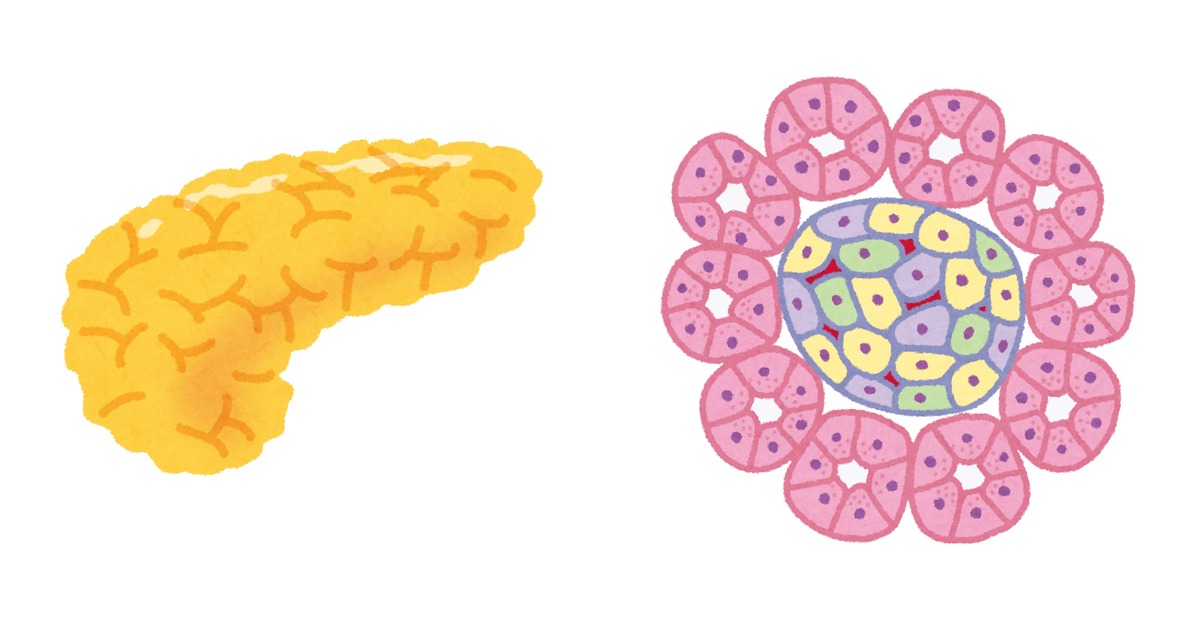
Insulin is the hormone that moves sugar from the blood into the body’s cells. It is made by beta cells, which are small insulin-making cells in the pancreas. In a healthy body, these cells slow down when blood sugar drops.
In congenital hyperinsulinism (CHI), the beta cells keep releasing insulin even when blood sugar is already low. The result is hypoglycemia, which simply means low blood sugar. “Congenital” means the problem is present from birth.
Think of a thermostat that keeps the heater running after the room is already warm. The beta cell has a similar switch, called the KATP channel. It is a tiny potassium gate on each insulin-making cell.
Two genes build this gate. ABCC8 makes one part, called SUR1. KCNJ11 makes the other part, called Kir6.2. When either gene has a harmful change, the gate fails and insulin keeps flowing.
Once we’re home, how would I even notice low sugar in a baby?
MedlinePlus lists subtle signs such as sleepiness, fussiness, or poor feeding, and episodes can even follow a feed. If a baby seems floppy or will not feed, call 911; for ongoing questions, ask your pediatrician for a pediatric endocrinology referral.
How common is it?
| Fact | What the source reports | Plain language |
|---|---|---|
| Overall frequency | About 1 in 50,000 newborns | About 2 babies per 100,000 |
| Higher-rate groups | Up to 1 in 2,500 newborns in some populations | About 40 per 100,000 |
| Most common known cause | ABCC8, about 40% of affected people | About 40 in 100 |
| No cause found | About half of affected people | About 50 in 100 |
| Genes involved | At least nine | ABCC8 and KCNJ11 lead the list |
The guideline calls this condition the most common and most severe cause of lasting low blood sugar in babies and children.
What it looks like in a baby
About 60 in 100 affected babies have their first low-sugar episode in the first month of life. Signs are easy to miss. A baby may seem very sleepy, fussy, or slow to feed. Episodes can come after a feed, not only after a long gap without food. Severity varies a lot, even inside one family.
Repeated low blood sugar can harm the brain. It raises the risk of breathing problems, seizures, learning disability, vision loss, brain damage, and coma. The Pediatric Endocrine Society reports that roughly 25 to 50 in 100 children with CHI have some developmental disability. The first few months of life are the most fragile time, so fast care matters.
Emergency: If a newborn seems unusually sleepy, will not feed, looks floppy, or has a seizure, call 911 or go to the emergency room now. Do not wait for a home test.
CHI is a problem of too much insulin. Other inherited conditions, such as MCAD deficiency, cause low sugar in other ways and are covered in separate articles. If your baby has had low sugar in the hospital, ask for a referral to a pediatric endocrinologist, a children’s hormone doctor.
Section recap: CHI means the pancreas releases insulin when it should not, causing low blood sugar from birth. ABCC8 is the most common known cause, and any low sugar in a newborn needs urgent care.
How ABCC8 hyperinsulinism is inherited: recessive, dominant, and the paternal “focal” route
My wife and I both feel perfectly healthy. How could we have a baby with a genetic condition?
That is a very common question. The international guidelines describe recessive inheritance, where two healthy parents each pass on one changed ABCC8 copy, as one of three routes. Carriers of a recessive variant usually have no symptoms.
Everyone has two copies of most genes, one from each parent. A “variant” is a change in the gene’s spelling. A “pathogenic” variant is one known to cause disease. ABCC8 variants can lead to CHI in three main ways.
The three routes
| Route | What happens | Type of disease |
|---|---|---|
| Autosomal recessive | The child gets one changed copy from each parent | Diffuse (whole pancreas) |
| Autosomal dominant | One changed copy is enough to cause disease | Diffuse |
| Paternal focal route | One recessive change from the father, plus a local loss of the mother’s copy in one spot of the pancreas | Focal (one small area) |
Recessive inheritance in plain numbers
“Autosomal recessive” means a child needs two changed copies to be affected. A person with one changed copy is a “carrier.” Carriers of a recessive variant usually have no symptoms.
When both parents carry a recessive variant, the standard rule is a 1 in 4 chance (25 in 100) of an affected child in each pregnancy. There is a 1 in 2 chance (50 in 100) of a carrier child. There is a 1 in 4 chance of a child with no changed copy. Each pregnancy is a fresh roll of the dice.
The guideline notes that dominant variants also exist. With a dominant variant, one copy is enough. In that case, the 25 in 100 rule does not apply.
The focal route: why one variant can matter
In focal CHI, the baby inherits one recessive ABCC8 or KCNJ11 variant from the father. The father is usually healthy. Then, in one small patch of the baby’s pancreas, the mother’s copy of a gene region called 11p15 is lost. In that patch, the cells carry two copies of the father’s region. Doctors call this “paternal isodisomy”.
Picture a quilt where one square was sewn with the wrong thread. The rest of the quilt is fine. Only that square misbehaves. In focal CHI, only that patch makes too much insulin.
So a single variant is not always harmless. A father with one recessive ABCC8 variant can have a child with focal CHI, even if the mother carries no variant.
So if I’m the only one carrying a variant, could that still matter for our next baby?
It can. The guidelines explain that a father’s single recessive variant, plus a local loss of the mother’s copy in one patch of pancreas, can cause focal disease. Repeat risk varies by family, so a genetic counselor found through NSGC.org can estimate yours.
Is that likely to happen again in the next pregnancy? Published sources do not give one fixed number for this risk. The answer depends on which parent carries the variant and on the family’s own results. Only a genetic counselor can estimate it for your family. You can find one through the National Society of Genetic Counselors (NSGC) Find a Genetic Counselor directory. In Canada, use the Canadian Association of Genetic Counsellors directory.
Not every case has a known gene
About half of people with CHI have no genetic cause found. At least nine genes are involved. A negative gene test in a child with CHI does not mean the diagnosis is wrong. It means the cause is still unknown.
Section recap: ABCC8 CHI can be recessive, dominant, or focal. One variant from the father can cause focal disease, so the 25 in 100 rule does not cover every family.
Focal vs diffuse: why the genetic result changes the treatment plan
The team keeps saying “focal” or “diffuse.” Why does that label matter so much?
Many parents wonder the same thing. The international guidelines explain that focal disease sits in one small spot of the pancreas, while diffuse disease involves all the beta cells, and that difference shapes whether surgery could help.
Focal and diffuse CHI look alike at first, but they are treated very differently.
- Diffuse CHI: all the beta cells over-release insulin.
- Focal CHI: only one small spot of the pancreas over-releases insulin.
Step one: does diazoxide work?
Diazoxide is the first-line drug for CHI. It is a medicine taken by mouth that helps hold the insulin gate open. Some babies do not respond to it. In babies who do not respond, up to 90 in 100 have the cause in ABCC8 or KCNJ11.
Step two: a fast gene test
For babies who do not respond to diazoxide, the guideline calls rapid ABCC8/KCNJ11 testing “crucial”. Here is why. If the baby has one pathogenic variant inherited from the father, that finding predicts a focal lesion with a sensitivity of 97%. Sensitivity means how often the test catches the cases that are truly there. The positive predictive value is up to 94%. In plain words, when the test points to focal disease, it is right up to about 94 times in 100.
The guideline also recommends gene testing when a baby responds to diazoxide but the condition lasts beyond 3 months.
Step three: a special scan for focal disease
If the gene result suggests focal disease, the next step is a scan called 18F-DOPA PET. It is a special imaging test that lights up the overactive spot. It is combined with CT or MRI to show where the spot is.
| 18F-DOPA PET fact | Detail |
|---|---|
| Sensitivity | 75-100% across 286 cases checked under the microscope |
| Specificity (how often it avoids a false alarm) | 88-100% |
| Needed for diffuse disease? | No, if genes already show diffuse disease |
| FDA-approved use | Parkinson-type movement disorders in adults only, approved 2019-10-10 |
| Use for CHI | Outside the labeled use; done under specialized-center protocols |
| Availability | Only at certain centers |
Think of a smoke alarm in a big house. The gene result says one room may be burning. The scan shows which room.
If the gene result points to focal disease, can any hospital do that scan?
Usually not. The guidelines note that 18F-DOPA PET is available only at certain centers, and its FDA label covers adult movement disorders, so CHI use runs under specialized protocols. Ask your child’s endocrinologist about a referral to such a center.
Why this changes surgery
For a focal spot, surgeons can remove only that small area. The guideline says this cure rate is “reported to be >95% in some studies”. Removing only the lesion does not carry a later risk of diabetes. In plain words, more than 95 in 100 were cured in some reports. That is not a promise for every child.
Diffuse disease is harder. Surgery for diffuse CHI may remove 95 to 98% of the pancreas. After that, low sugar may come back in up to 50-60 in 100 children. About 25 in 100 have lasting diabetes right after surgery. By age 14, this rises to about 91 in 100. That is why medical care is often preferred for diffuse disease when it works.
Ask your child’s endocrinologist whether your center can arrange rapid gene testing and, if needed, a referral for the scan.
Section recap: The gene result helps sort focal from diffuse CHI. Focal disease may be cured by removing one spot, while near-total pancreas removal for diffuse disease often leads to diabetes later.
Testing options in the US and Canada: rapid clinical panels vs the 23andMe 3-variant carrier report
My wife’s 23andMe kit flagged ABCC8. Is that the same as a real medical gene test?
That is a very common mix-up. The 23andMe carrier list shows its ABCC8 report checks only 3 variants, with Ashkenazi Jewish listed as the relevant ancestry, while a clinical test is ordered by a doctor for a medical reason.
A medical gene test and a consumer kit answer different questions.
Clinical testing for a sick baby
For a baby with CHI, the endocrinology team orders the test. It looks at ABCC8 and KCNJ11 and often other CHI genes. The guideline stresses that the test should be fast when the baby does not respond to diazoxide. It also notes that rapid testing and imaging are only available in certain centers. Ask your team where samples are sent and how results will reach you. Coverage and wait times vary, so ask your insurer and the lab directly.
Clinical testing for parents and relatives
Once a child’s variant is known, parents and relatives can test for that exact change. This is called cascade testing. A doctor or genetic counselor can order it. Couples with a family history can also ask about carrier screening before pregnancy.
The 23andMe carrier report
The 23andMe Carrier Status list includes “Familial Hyperinsulinism (ABCC8-Related)”. The report checks only 3 ABCC8 variants. The company lists the relevant ethnicity as Ashkenazi Jewish.
| Question | 23andMe carrier report | Clinical test |
|---|---|---|
| How many ABCC8 variants? | 3 | Ordered by a doctor; ask the lab what it covers |
| Who is it designed for? | Mainly Ashkenazi Jewish ancestry | Anyone with a medical reason |
| Can “not detected” rule out carrier status? | No | Ask the lab to explain its limits |
| Can it diagnose a baby? | No | Yes, with a doctor’s order |
Think of a spell checker that only looks for three typos. A clean result means those three typos are absent. It does not mean the whole page is error-free. Many other ABCC8 variants exist, and this kit does not look for them.
A “variant detected” result also needs a check. It should be confirmed in a clinical lab certified under CLIA, the US federal standard for medical labs. Bring the report to your doctor or a genetic counselor before making any plans.
So what do we do with that kit report now? Who should actually look at it?
Because the 23andMe report covers only 3 ABCC8 variants, a detected variant is worth confirming in a CLIA-certified clinical lab. Bring the report to your primary care doctor, or find a genetic counselor at NSGC.org or the CAGC directory in Canada.
Section recap: A sick baby needs fast clinical gene testing ordered by the care team. A 23andMe carrier report checks only 3 ABCC8 variants, so a negative result does not rule out carrier status and a positive one needs clinical confirmation.
Reading your result: affected, carrier, single variant, VUS, or no variant found
The report uses words like “pathogenic” and “paternal.” I honestly can’t tell if it’s good or bad news.
Many families feel lost at this step. The international guidelines tie each pattern to a meaning: two variants usually point to diffuse disease, while one paternal variant in a baby who does not respond to diazoxide points to possible focal disease.
Here is what each common result usually means. Always review your own report with a specialist or genetic counselor.
| Result | What it usually means |
|---|---|
| Two pathogenic ABCC8 variants (one from each parent) in a baby with CHI | Diffuse disease from recessive inheritance |
| One paternal recessive variant in a baby who does not respond to diazoxide | Points to possible focal disease; the scan comes next |
| One dominant-acting variant | Can cause diffuse disease with just one copy |
| One variant in a healthy adult | Usually a carrier; meaning depends on the partner and on which parent carries it |
| Variant of uncertain significance (VUS) | Not enough is known yet; do not act on it alone |
| No variant found in a baby with CHI | Cause unknown, which happens in about half of cases |
| “Not detected” on a 3-variant kit | Not a clean bill of health; many variants are not checked |
A note on “biallelic”
You may see the word “biallelic.” It means both copies of the gene are changed. In the Spanish cohort, children with biallelic ABCC8 variants were more likely to develop diabetes later. This is one reason follow-up continues even after the low sugar stops.
A note on a VUS
A VUS is like a word the dictionary does not yet define. Treat it as “unknown,” not as a diagnosis. A consumer kit result should also be confirmed by a CLIA-certified lab before it guides any choice.
Our report lists a VUS. Should we change any plans because of it?
A VUS means not enough is known yet, so it should not drive decisions on its own. MedlinePlus also notes that about half of CHI cases have no known gene cause. Review the full report with your child’s specialist or a genetic counselor from NSGC.org.
Section recap: Each result type means something different, and a single variant can point to focal disease in a baby or to carrier status in an adult. Confirm consumer results in a clinical lab and review every report with a specialist.
Current treatment: diazoxide, feeding plans, surgery, and long-term follow-up
Our baby just started diazoxide. Is a medicine like that really safe for a newborn?
That concern is reasonable. The FDA label warns about rare lung blood pressure problems in infants, and the international guidelines suggest a heart ultrasound one week after starting. Close monitoring is part of the plan, not a sign that something is wrong.
Treatment keeps blood sugar in a safe range to protect the brain.
Glucose targets used by care teams
The Pediatric Endocrine Society recommends keeping plasma glucose above 70 mg/dL (3.9 mmol/L) in newborns with a suspected inherited low-sugar disorder. It notes that thinking is impaired below 50 mg/dL. These are targets for hospital teams, not cutoffs for diagnosing a baby at home. Sugar can be low in the first 24 to 48 hours for normal reasons. That is why the society urges teams to rule out lasting disorders in high-risk newborns before they go home, usually at 2 to 3 days.
The main treatment steps
| Step | What it is | Key facts |
|---|---|---|
| Diazoxide | First-line drug by mouth | The guideline calls it “the only drug currently approved for treating HI” |
| Dose | Usual range 5-15 mg/kg/day in infants and children | Label says stop if not working after 2 or 3 weeks |
| Octreotide or lanreotide | Second-line drugs | Not FDA-approved for this use; off-label |
| Frequent feeds | Part of the daily plan | Set by the care team |
| Surgery | For a focal spot, or severe diffuse disease | See the section above |
Diazoxide approval status
| Region | Status |
|---|---|
| United States | Proglycem oral suspension approved 1976-05-28 (NDA017453) for low blood sugar due to hyperinsulinism |
| United States, generics | Generic diazoxide oral suspensions approved 2019-12-20 and 2020-07-08 |
| Canada | Proglycem 100 mg capsule (DIN 00503347) is listed as Marketed, first marketed 1985-12-31; the liquid’s listing was cancelled 2006-03-23 |
Side effects to watch
Diazoxide is useful, but it needs monitoring. The FDA label warns about reports of pulmonary hypertension in infants and newborns. That is high blood pressure in the lungs. It got better when the drug was stopped. In a large infant group, this happened in 2.4 in 100 babies. The guideline suggests a heart ultrasound one week after starting.
| Side effect | How often (guideline data) |
|---|---|
| Extra body hair | About 84 in 100 |
| Low white blood cells | About 16 in 100 |
| Low platelets | About 5 in 100 |
| Lung blood pressure problem | About 2 in 100 |
The label also warns about fluid buildup, which can strain the heart. Ask the team which signs should prompt a call.
Do children outgrow it?
The Spanish study by Clemente and colleagues gives one of the clearest pictures. It followed children with ABCC8 CHI who never had pancreas surgery. The study included 18 patients, and 17 were followed over time.
| Finding | Number | Plain language |
|---|---|---|
| Low sugar went away on its own | 12 of 17 (70.6%) | About 7 in 10 |
| Typical age when it went away | Median 6 years, range 1-14 | Often around school age |
| Later developed diabetes | 5 of those 12 (41.7%) | About 4 in 10 of those who outgrew it |
| More common with | Biallelic variants | Both gene copies changed |
The authors call this a “biphasic” pattern: low sugar first, then high sugar later. It is like a seesaw that tips one way in early childhood and the other way later. These numbers come from one center and a small group. They are not exact rates for every child.
The authors recommend regular checks of sugar control after remission. So “outgrowing it” does not end follow-up.
If our son outgrows the low sugars someday, are we finally done with checkups?
The Spanish cohort by Clemente and colleagues found that some children who outgrew low sugar later developed diabetes, so the authors recommend regular sugar checks after remission. Ask your pediatrician and endocrinologist to plan long-term sugar and development follow-up.
Protecting development
Brain problems are reported in 26 to 44 in 100 children, even when CHI is short-lived. The guideline says children with CHI “should have regular neurodevelopmental follow-up”. That means routine checks of learning, movement, speech, and vision. Ask your pediatrician to set these up.
Section recap: Diazoxide is the only drug approved for CHI and is the first choice, with octreotide used off-label next. In one cohort, about 7 in 10 children outgrew low sugar, but about 4 in 10 of them later got diabetes, so lifelong sugar and development checks matter.
Emerging therapies: dasiglucagon and ersodetug are still investigational for CHI
I read online about new CHI drugs. Are they better than what our baby gets now?
Hope is completely understandable. Neither dasiglucagon nor ersodetug is approved for CHI by the FDA or Health Canada, and the 2024 phase 3 dasiglucagon trial did not meet its main goal. For now, both remain investigational.
New drugs are being tested, with mixed results. Neither drug below is approved for CHI by the FDA or Health Canada.
Dasiglucagon
Dasiglucagon is a form of glucagon. Glucagon is a hormone that raises blood sugar. It was given as a constant drip under the skin.
| Trial | Design | Main result |
|---|---|---|
| Phase 3, ages 0.6-10.9 years | 32 children; open-label; 4 weeks vs standard care | Main goal NOT met: rate ratio 0.85, P = .50 |
| Same trial, extra analysis | Post hoc look at continuous glucose monitor data | 43% fewer low-sugar events (rate ratio 0.57) |
| Infant trial, 7 days to 12 months | 12 babies; crossover; placebo; 48 hours per arm | IV sugar need 4.3 vs 9.5 mg/kg/min (P = .004) |
What does this mean? “Open-label” means families knew which treatment the child got. A rate ratio of 1.0 means no difference.
In the larger trial, finger-stick checks did not show a clear benefit. A later, unplanned look at the continuous sensor data found fewer low-sugar events. In plain words, about 43 fewer events for every 100 seen with standard care alone. But that was not the trial’s main planned measure. Skin and stomach side effects were more common with the drug.
In the infant trial, each baby got the drug and a placebo in turn (a “crossover” design). Babies on dasiglucagon needed a little under half as much IV sugar as on placebo. The trial was very small and short. The authors called it “a promising treatment,” not an established one.
Regulatory status: Dasiglucagon was approved in the US under the brand name Zegalogue. Its FDA label covers only severe low sugar in people with diabetes aged 6 and older. It was approved on 2021-03-22. It has no CHI approval. FDA records now list both Zegalogue products as discontinued. No dasiglucagon product appears in Health Canada’s drug database.
Ersodetug (RZ358)
Ersodetug is a lab-made antibody. It attaches to the insulin receptor, the “lock” that insulin uses on cells. It is given by IV drip.
| Study | What it found |
|---|---|
| Phase 2b, 23 patients age 2 and up | 59% fewer low-sugar events and 54% less time low (medians) |
| Phase 2b design | Open-label, no placebo group, paid for by the drug maker; three authors worked for the company |
| Phase 3 sunRIZE, 63 people | Did NOT meet its main goal or key secondary goal, per company announcement |
| sunRIZE registry record | No results posted on ClinicalTrials.gov as of 2026-10-23 |
The early study had no placebo group. The larger placebo trial, sunRIZE, compared the drug with a dummy treatment. The company reported a 45% drop in events at 10 mg/kg and a 40% improvement with placebo. That gap was not statistically significant. Two people had serious allergic reactions.
In October 2026, the company reported that the FDA suggested a pre-application meeting. The FDA did not give an opinion on whether the drug could be approved. Ersodetug is not approved for CHI.
Our son’s sugars are hard to control. How would we even find a trial?
ClinicalTrials.gov, run by the U.S. National Library of Medicine, lets you search for “congenital hyperinsulinism” studies. Bring any trial you find to your child’s endocrinologist, who can judge whether it fits and how to apply.
How to look for trials
Think of these drugs as cars still on the test track. Some laps look fast. None has been cleared for the road yet. If your child has hard-to-control CHI, ask the endocrinologist about trials. You can also search ClinicalTrials.gov for “congenital hyperinsulinism”.
Section recap: Dasiglucagon missed its main phase 3 goal, with only post hoc and small infant data looking positive. Ersodetug’s placebo-controlled phase 3 also missed its main goal, and neither drug is approved for CHI.
Family planning, cascade testing, and insurance protections (GINA, ACA, Canada’s GNDA)
Should I tell my brother and sister about our baby’s variant? It feels awkward to bring up.
Many parents hesitate here. Relatives can test for just the exact family variant, and the international guidelines note that knowing which parent carries it matters for the focal route. Sharing stays your choice, and a counselor can help you plan it.
A CHI diagnosis raises questions for the whole family.
Cascade testing
Cascade testing means relatives test for the exact variant already found in the family. It is faster and clearer than a broad search. It can help:
- Parents learn which of them carries the variant, which matters for the focal route
- Brothers and sisters learn their carrier status before planning a family
- A partner learn whether they also carry an ABCC8 variant
Sharing results is a personal choice. A genetic counselor can help you plan what to say and explain options for couples who both carry a variant.
Planning the next birth
The Pediatric Endocrine Society says the history of a baby with low sugar should include family history. Tell your obstetrician and the birth team that an older child has CHI. The society also urges teams to rule out lasting low-sugar disorders in high-risk newborns before discharge. A known family history can make that check happen sooner.
US protections: GINA and the ACA
The Genetic Information Nondiscrimination Act (GINA) became law in 2008. It protects you in two areas:
| Area | GINA protection |
|---|---|
| Health insurance | Insurers cannot use genetic information against you |
| Jobs | Employers cannot use genetic information against you; this part took effect November 21, 2009 |
| Life, disability, long-term-care insurance | NOT covered by GINA |
Genetic information includes your own tests, your relatives’ tests, and your family medical history. Some states add extra protections. The Affordable Care Act (ACA) also bars health plans from refusing coverage because of a pre-existing condition.
So, a carrier result should not affect your health insurance or your job. It may matter for life or disability insurance, which GINA does not cover. Ask a counselor about timing before you apply for those policies.
Canada: the Genetic Non-Discrimination Act
Canada’s Genetic Non-Discrimination Act (GNDA) became law on 2017-05-04. No one can require you to take a genetic test or share results to get goods or services or to sign a contract. No one can collect, use, or share your results without written consent. Penalties can reach $1,000,000, five years in prison, or both.
The Supreme Court of Canada upheld the law on July 10, 2020. Its case summary gives an example: insurers could not make people get tested to obtain life insurance.
Could a carrier result hurt our health insurance or my job?
NHGRI explains that GINA protects US health insurance and jobs, but not life or disability insurance, and Canada’s Genetic Non-Discrimination Act bars forced testing for contracts. Ask a genetic counselor about timing before applying for those policies.
The emotional side
A stay in the NICU (newborn intensive care unit), frequent sugar checks, and gene results can be heavy. Some parents feel guilt about passing on a variant, but no one chooses their genes. A counselor or social worker can help.
Section recap: Cascade testing lets relatives check for the family variant, and the birth team should know the family history. GINA protects US health insurance and jobs but not life or disability insurance, while Canada’s GNDA bars forced genetic testing for any contract.
Frequently asked questions
Will our next baby get congenital hyperinsulinism?
It depends on how the variant was passed on. If both parents carry a recessive ABCC8 variant, the standard chance is 1 in 4 (25 in 100) per pregnancy. A dominant variant follows a different pattern. Focal disease comes from a variant in the father plus a local change in the baby’s pancreas. Published sources do not give one fixed repeat-risk number for focal disease. A genetic counselor can estimate your family’s own risk.
Will a 23andMe “variant not detected” result mean there is no risk?
No. The report checks only 3 ABCC8 variants, chosen mainly for Ashkenazi Jewish ancestry. Many other variants are not checked. A negative result cannot rule out carrier status.
Will this result affect health or life insurance?
In the US, GINA protects health insurance and jobs. It does not cover life, disability, or long-term-care insurance. In Canada, the GNDA says no one can require a genetic test or its results to enter a contract, including insurance.
Can an employer find out about a genetic result?
In the US, GINA bars employers from using genetic information. In Canada, no one may collect or use your results without written consent.
Should a family get a second opinion?
Yes, if the plan is unclear. This matters most for a baby who does not respond to diazoxide. Rapid gene tests and 18F-DOPA PET scans are only available in certain centers. A second opinion at such a center can help sort focal from diffuse disease.
Summary
- ABCC8 changes cause about 40 in 100 cases of CHI; about half of cases have no known cause.
- Any low blood sugar in a newborn is an emergency. Call 911.
- One ABCC8 variant from the father can cause focal CHI, so “carrier” does not always mean “no risk”.
- A fast gene test helps sort focal from diffuse CHI; focal spots may be cured by removing just that area.
- A 23andMe report checks only 3 ABCC8 variants and cannot rule out carrier status.
- Diazoxide is the only approved CHI drug. In one cohort, about 7 in 10 children outgrew low sugar, but about 4 in 10 of them later got diabetes.
- Dasiglucagon and ersodetug are still investigational for CHI; both missed their main phase 3 goals.
- GINA and Canada’s GNDA protect families, but GINA does not cover life insurance.
Next step: talk with your child’s endocrinologist and a genetic counselor, and bring every gene report.
This article is for educational purposes only. It is not a substitute for advice from a licensed physician, board-certified medical geneticist, or board-certified genetic counselor. For any decisions about testing, treatment, or care, consult a qualified clinician. In emergencies, call 911.
References
- MedlinePlus Genetics, U.S. National Library of Medicine (page last updated January 1, 2014). Congenital hyperinsulinism. https://medlineplus.gov/genetics/condition/congenital-hyperinsulinism/
- De Leon DD, Arnoux JB, Banerjee I, Bergada I, Bhatti T, Conwell LS, Fu J, Flanagan SE, Gillis D, Meissner T, Mohnike K, Pasquini TLS, Shah P, Stanley CA, Vella A, Yorifuji T, Thornton PS (2024) International Guidelines for the Diagnosis and Management of Hyperinsulinism. Horm Res Paediatr 97(3):279-298 (Epub 2023 Jul 14). https://pubmed.ncbi.nlm.nih.gov/37454648/ (DOI 10.1159/000531766; PMCID PMC11124746)
- Thornton PS, Stanley CA, De Leon DD, Harris D, Haymond MW, Hussain K, Levitsky LL, Murad MH, Rozance PJ, Simmons RA, Sperling MA, Weinstein DA, White NH, Wolfsdorf JI; Pediatric Endocrine Society (2015) Recommendations from the Pediatric Endocrine Society for Evaluation and Management of Persistent Hypoglycemia in Neonates, Infants, and Children. J Pediatr 167(2):238-45. https://pubmed.ncbi.nlm.nih.gov/25957977/ (DOI 10.1016/j.jpeds.2015.03.057; PMCID PMC11891912)
- Clemente M, Cobo P, Antolín M, Campos A, Yeste D, Tomasini R, Caimari M, Masas M, García-Arumí E, Fernández-Cancio M, Baz-Redón N, Camats-Tarruella N (2023) Genetics and Natural History of Non-pancreatectomized Patients With Congenital Hyperinsulinism Due to Variants in ABCC8. J Clin Endocrinol Metab 108(11):e1316-e1328. https://pubmed.ncbi.nlm.nih.gov/37216904/ (DOI 10.1210/clinem/dgad280)
- Thornton PS, De Leon DD, Empting S, Zangen D, Kendall DM, Birch S, Bøge E, Ivkovic J, Banerjee I (2024) Dasiglucagon for the Treatment of Congenital Hyperinsulinism: A Randomized Phase 3 Trial in Infants and Children. J Clin Endocrinol Metab 109(4):1071-1079. https://pubmed.ncbi.nlm.nih.gov/37930757/ (DOI 10.1210/clinem/dgad648; PMCID PMC10940263)
- De Leon DD, Banerjee I, Kummer S, Birch S, Bøge E, Ivkovic J, Kendall DM, Thornton PS (2025) Dasiglucagon in Children With Congenital Hyperinsulinism Up to 1 Year of Age: Results From a Randomized Clinical Trial. J Clin Endocrinol Metab 110(8):e2674-e2681. https://pubmed.ncbi.nlm.nih.gov/39584500/ (DOI 10.1210/clinem/dgae818; PMCID PMC12261080)
- Demirbilek H, Melikyan M, Iotova V, Galcheva S, Ozbek MN, Dastamani A, Kheladze N, Mazor-Aronovitch K, Clemente M, Empting S, Mohnike K, Christesen HT, Thornton PS, De Leon DD, Hood D, O’Boyle E, Roberts BK (2025) Global, multi-center, repeat-dose, phase 2 study of RZ358 (ersodetug), an insulin receptor antibody, for congenital hyperinsulinism. Med 6(6):100611 (Epub 2025 Mar 18). https://pubmed.ncbi.nlm.nih.gov/40107271/ (DOI 10.1016/j.medj.2025.100611)
- U.S. FDA Drugs@FDA (NDA017453, ANDA211050, ANDA210799) and openFDA diazoxide oral suspension label; Health Canada Drug Product Database (DIN 00503347, 00503320). Diazoxide (Proglycem) – U.S. FDA approval records and prescribing information; Health Canada Drug Product Database entries. https://www.accessdata.fda.gov/scripts/cder/daf/index.cfm?event=overview.process&ApplNo=017453 ; https://health-products.canada.ca/dpd-bdpp/ (DIN 00503347)
- U.S. FDA Drugs@FDA (NDA214231) and openFDA ZEGALOGUE label (effective 2023-01-01). ZEGALOGUE (dasiglucagon) injection – prescribing information and approval record. https://www.accessdata.fda.gov/scripts/cder/daf/index.cfm?event=overview.process&ApplNo=214231
- U.S. FDA Drugs@FDA (NDA200655, The Feinstein Institutes for Medical Research) and openFDA Fluorodopa F18 label. Fluorodopa F 18 Injection – prescribing information and approval record. https://www.accessdata.fda.gov/scripts/cder/daf/index.cfm?event=overview.process&ApplNo=200655
- ClinicalTrials.gov (U.S. National Library of Medicine) record NCT06208215 (last update posted 2026-01-08). A Phase 3, Randomized, Double-Blind, Placebo-Controlled, Parallel-Arm Study to Evaluate the Efficacy and Safety of RZ358 in Patients With Congenital Hyperinsulinism (sunRIZE). https://clinicaltrials.gov/study/NCT06208215
- Rezolute, Inc. press releases (GlobeNewswire) Dec 11, 2025; Sept 9, 2026; Oct 5, 2026 (sponsor communications). Rezolute Announces Phase 3 sunRIZE Study Results in Congenital Hyperinsulinism / Rezolute Provides Update on FDA Review of its Phase 3 sunRIZE Study Results in Congenital Hyperinsulinism / Rezolute Announces FDA Recommendation to Hold a Pre-BLA Meeting as a Precursor to Submitting a Biologics License Application (BLA) for Congenital Hyperinsulinism. https://ir.rezolutebio.com/news/detail/368/rezolute-announces-phase-3-sunrize-study-results-in-congenital-hyperinsulinism ; https://ir.rezolutebio.com/news/detail/385/
- 23andMe clinician resource – Carrier Status report list (company page). Understand results: Carrier Status. https://www.23andme.com/en-int/clinicians/understand-results/carrier-status/
- National Human Genome Research Institute (genome.gov, last updated January 6, 2022); U.S. EEOC; Genetic Non-Discrimination Act, S.C. 2017, c. 3 (Justice Laws, current to 2026-09-30); Supreme Court of Canada, Reference re Genetic Non-Discrimination Act, 2020 SCC 17 (July 10, 2020). Genetic Discrimination (NHGRI); Genetic Information Discrimination (EEOC); Genetic Non-Discrimination Act (Canada). https://www.genome.gov/about-genomics/policy-issues/Genetic-Discrimination ; https://www.eeoc.gov/genetic-information-discrimination ; https://laws-lois.justice.gc.ca/eng/acts/G-2.5/FullText.html ; https://scc-csc.gc.ca/pdf/cb/2020/38478-eng.pdf
Last updated: 2026-10-23
Author: Yu Mizuno (Editor-in-Chief, non-physician), GeneLumen editorial team. This article aggregates 14 sources from peer-reviewed medical literature and public health agencies (tier 1=10 / tier 2=2, plus two company sources), including MedlinePlus and ClinicalTrials.gov (U.S. National Library of Medicine), U.S. FDA approval records, the Health Canada Drug Product Database, the National Human Genome Research Institute, the U.S. Equal Employment Opportunity Commission, Canadian federal law and the Supreme Court of Canada, the Pediatric Endocrine Society, the International Guidelines for the Diagnosis and Management of Hyperinsulinism, and PubMed-indexed clinical trials and cohort studies.
This article is for educational purposes only and is not a substitute for medical advice from a licensed physician, board-certified medical geneticist, or board-certified genetic counselor. In emergencies, call 911 (US/Canada) or 119 (Japan).
Related: Metabolic and Hematologic Genetic Diseases
🇯🇵 For readers in Japan — a separate Japanese edition written for Japan’s healthcare system (not a translation): https://genelumen.com/ja/ja-metabolic-hematologic-genetic/congenital-hyperinsulinism-abcc8-genetics-ja