- Are Kidney Stones Genetic? What Twin, Gene and Trial Research Says About Your Risk
- What kidney stones are, how common they are, and the warning signs
- Are kidney stones genetic? Families, twins and gene maps
- From relative to absolute risk: what an “increased likelihood” result means
- Monogenic exceptions: when a single gene is the cause
- Testing options: imaging, urine tests, stone analysis and gene panels
- Prevention that works regardless of genes: fluids, diet and medication
- Treatment landscape, including RNAi drugs for primary hyperoxaluria
- Family conversations, insurance and privacy
- FAQ
- Summary
- References
Are Kidney Stones Genetic? What Twin, Gene and Trial Research Says About Your Risk
This article is for educational purposes only. It does not replace diagnosis, treatment, or genetic counseling. It is not a substitute for advice from a licensed physician, board-certified medical geneticist, or board-certified genetic counselor. For any decisions about testing, treatment, or care, consult a qualified clinician. In emergencies, call 911.
My dad has passed several kidney stones. I keep wondering if I’m next.

That is a very understandable worry. Family, twin and gene studies have each looked at this question. Their answer is more nuanced than a simple yes or no.
If a DNA test gave me a higher-likelihood result, could I even handle that?
That is a fair question before any test, and nobody has to face a result alone. Certified genetic counselors, such as ABGC-certified counselors in the US, are trained for exactly this.
My wife and I have two young kids. Will they end up with stones too?
That is a natural concern for any parent. Clinical genetics references describe family screening for certain rare single-gene conditions. Common stones work differently, and the sections ahead explain how.
OK, so what do I actually do with this family history?
The sections ahead trace a path from a primary care clinician to a specialist or genetic counselor when needed. They also cover prevention steps that have been tested in randomized trials.
Bottom line: Research shows that kidney stones are partly genetic, but usually not because of one gene. A large study of male twins traced about half of the differences in stone risk to genes. Gene-mapping research has found about 20 gene regions, many tied to how the body handles calcium. A small group of people, more often children, have a single-gene cause that can matter for their care. For most people, fluids and diet still matter a great deal.
What you’ll learn
- How much of kidney stone risk is linked to genes, in plain words
- What an “increased likelihood” result from a DNA kit can and cannot tell you
- When a stone may point to a rare single-gene condition
- Which prevention steps have trial evidence, and how US and Canadian drug status differs
What kidney stones are, how common they are, and the warning signs
Are kidney stones really that common, or does it only feel that way because of my dad?
That is a fair question. NIDDK estimates that about 11 percent of US men and 6 percent of US women get a stone at least once. NIDDK also says stones are on the rise.
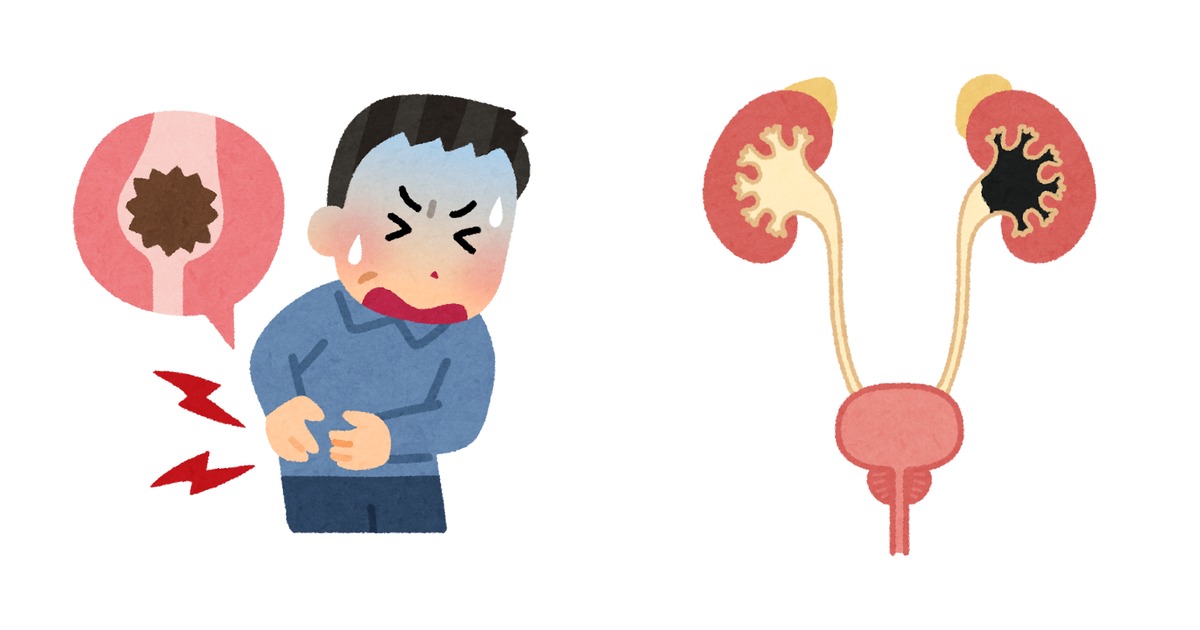
Kidney stones are hard, pebble-like pieces of material that form in the kidneys. They form when urine holds high levels of certain minerals. A stone can be as small as a grain of sand or as large as a pea. Rarely, one reaches the size of a golf ball.
A small stone may pass on its own. A larger one can get stuck and block the flow of urine. That can cause severe pain or bleeding. Think of a pebble stuck in a garden hose. Water backs up behind it, and pressure builds.
The National Institute of Diabetes and Digestive and Kidney Diseases (NIDDK) gives lifetime figures. About 11 percent of US men and 6 percent of US women get a stone at least once. That is about 11 in 100 men and 6 in 100 women. NIDDK also says stones are common and on the rise.
A separate national survey gives a different kind of number. Scales and colleagues analyzed the 2007-2010 National Health and Nutrition Examination Survey (NHANES). In that survey, adults reported whether they had ever had a stone. About 9 in 100 said yes, including about 11 in 100 men and 7 in 100 women. Stone history was also more common in people with obesity (about 11 in 100) than in people of normal weight (about 6 in 100).
| Stone type | What it is made of or linked to |
|---|---|
| Calcium stones | Calcium oxalate (most common) or calcium phosphate |
| Uric acid stones | Uric acid, a waste product in urine |
| Struvite stones | Can form after a urinary tract infection |
| Cystine stones | Caused by cystinuria, which is passed down in families |
Source for the table: NIDDK.
NIDDK lists symptoms that call for a health care professional right away:
- Sharp pain in the back, side, lower belly or groin
- Blood in the urine
- Not being able to urinate, or passing only a small amount
- Nausea or vomiting
- Fever and chills
A stone with fever, or with little or no urine, is an emergency. It is not a “wait it out at home” situation. Vomiting with dehydration may also need IV fluids in a hospital. If these signs appear, call 911 or go to an emergency department.
If I ever get sudden side pain, how do I know when to stop waiting it out?
NIDDK lists sharp pain, blood in the urine, little or no urine, nausea or vomiting, and fever with chills as reasons to get care right away. With fever or little urine, call 911 or go to an emergency department.
Section recap: Stones are common, affecting about 11 in 100 US men and 6 in 100 US women over a lifetime. Fever, vomiting or little urine with a stone needs urgent care, not home waiting.
Are kidney stones genetic? Families, twins and gene maps
So is this basically written in my genes, since my dad keeps getting them?
Partly, but not entirely. A study of male twins in the Vietnam Era Twin Registry put heritability at 56 percent. That describes differences across a group, not any one person’s future.
The short answer is “partly.” Three kinds of studies each answer a different question. It helps to keep them apart.
1. Family-history studies ask: does having a relative with stones raise the odds?
Curhan and colleagues followed 37,999 men in the Health Professionals Follow-up Study for 8 years. Men with a family history of stones had 2.57 times the relative risk of a first stone. Relative risk means how much more likely something is in one group compared with another. In plain words, they were about 2.6 times as likely.
First stones were still uncommon in that window. There were 795 new stones across the whole cohort of nearly 38,000 men, roughly 2 in 100 over 8 years. So even a 2.6-fold relative risk sits on a small base. The authors also noted that families share both genes and habits. This study could not separate the two.
2. Twin studies ask: how much of the variation is heritable?
Heritability means the share of differences in risk across a group that traces to genes. It does not describe any one person. Goldfarb and colleagues studied male-male twin pairs in the Vietnam Era Twin Registry. The heritability of stone risk was 56 percent. In plain words, a little over half the differences between these men traced to genes.
The twin data show this clearly. When one identical twin had stones, about 32 in 100 co-twins did too. For fraternal twins, the figure was about 17 in 100. Identical twins share all their genes, so the gap points to a genetic influence. In the same study, drinking milk daily and drinking a lot of coffee were linked to fewer reported stones. These were associations, not proof of cause.
3. Genome-wide association studies ask: which gene regions are involved?
A genome-wide association study (GWAS) scans the DNA of many people to find spots linked to a condition. Howles and colleagues combined data from British and Japanese biobanks. Their analysis included 12,123 people with stones and 417,378 without. It found 20 gene regions, called loci, linked to stones.
Five of these loci, including DGKD, DGKH and WDR72, are predicted to affect calcium-sensing receptor (CaSR) signaling. The CaSR works like a thermostat for calcium. It helps the body sense and adjust calcium levels. In patients with stones, the DGKD locus was linked to how much calcium they passed in urine. A locus near CYP24A1 is predicted to affect vitamin D handling.
| Study type | Question it answers | Key finding |
|---|---|---|
| Family-history cohort (men) | How much does a relative with stones raise risk? | About 2.6 times the risk |
| Twin study (male twins) | How much variation is heritable? | Heritability 56% |
| GWAS (UK and Japan) | Which gene regions are linked? | 20 loci, many tied to calcium |
NIDDK adds a useful link between genes and body chemistry. High calcium in the urine, called hypercalciuria, “runs in families”. NIDDK calls it the most common condition found in people who form calcium stones. No single common variant “causes” ordinary stones. Many small genetic nudges add up and mix with diet, fluids and weight.
If several relatives have had stones, it is worth telling a primary care clinician. That history can help decide whether a fuller workup makes sense.
My dad and my grandfather both had stones. Who should I actually tell about that?
In a cohort of nearly 38,000 men, family history meant about 2.6 times the relative risk of a first stone, though first stones stayed uncommon. The study could not separate shared genes from shared habits, so a primary care clinician can judge next steps.
Section recap: Twin research puts heritability at about 56 percent, and family history raised risk about 2.6-fold in men. Common stones reflect many small gene effects plus lifestyle, not one gene.
From relative to absolute risk: what an “increased likelihood” result means
My 23andMe report says increased likelihood for kidney stones. Should I be worried?
That reaction is understandable, and 23andMe itself says these reports are not meant for medical decisions. The kidney stone report sits outside its FDA-authorized group, and no published absolute-risk figure for it was found.
Many readers meet stone genetics through a consumer DNA kit. 23andMe lists “Kidney Stones” among its polygenic reports. Polygenic means the result comes from many genetic variants added together. 23andMe says more than 20,000 variants feed into this model.
A few facts about this report matter:
- It sits in the “Powered by 23andMe Research” group, built from customers who consented to research.
- That group is separate from the reports that meet FDA requirements, so this report is not FDA-authorized.
- 23andMe says these reports are “not intended” to tell anything about current health or “to be used to make medical decisions”.
- No published effect size or absolute-risk table for this report could be found.
So the report cannot be turned into a personal number. It is not a diagnosis. A “typical likelihood” result also does not mean zero risk.
A published research model gives a sense of how strong such scores can be. This is a different model, not the 23andMe one. Chen and colleagues built a polygenic risk score in a Taiwanese hospital study of 14,934 patients and 29,868 controls. People in the top quarter of scores had about 1.4 times the risk of those in the bottom quarter.
The score’s accuracy, measured as AUC, was 0.65 after adjusting for age and sex. An AUC of 0.5 is a coin flip, and 1.0 is perfect. So the score separated stone formers from non-formers only modestly. It came from one hospital and one population, so it may not apply to US or Canadian ancestries.
As a rough illustration only, picture two groups of 100 people. If 10 people in the bottom-score group formed stones, a 1.4-fold risk would mean about 14 in the top-score group. That is 4 more people out of 100, not a certainty.
Compare that with the baseline. About 1 in 9 US men and 1 in 17 US women form a stone over a lifetime. Factors such as obesity and diabetes were strongly tied to stone history in national data. Low urine volume was a real risk factor in a trial. These everyday factors can be changed, unlike genes.
A score is a bit like a weather forecast that says “a slightly higher chance of rain.” It is useful for packing an umbrella. It does not say whether it will rain on any given day. A primary care clinician can put a report in context alongside personal and family history.
Should I bring that report to my doctor, or just ignore it?
Bringing it along is reasonable. A separate research score from a Taiwanese study reached an AUC of only 0.65, so these scores separate people modestly. Your primary care clinician can weigh it with your family history.
Section recap: A polygenic report shifts odds a little but gives no personal number and is not FDA-authorized. Fluids, weight and diet often matter as much as the score.
Monogenic exceptions: when a single gene is the cause
Could my family have one of those rare single-gene stone conditions?
It is possible, though less common. In a study of 268 families seen at kidney stone clinics, about 1 in 7 had a likely single-gene cause. That was a clinic group, not the general public.
A small group of stone formers have a monogenic condition. Monogenic means one gene change is enough to cause the disease. These conditions are different from the polygenic risk in a consumer report.
Halbritter and colleagues screened 272 people from 268 families seen at kidney stone clinics. This was a clinic group, not the general public. They tested 30 known stone genes. They found a likely single-gene cause in 14.9 percent of families, about 1 in 7. The share was about 21 in 100 children and 11 in 100 adults.
The cystinuria gene SLC7A9 was the most frequently changed gene in that study. Recessive causes were more common in children, and dominant causes in adults. Autosomal recessive means a person needs two changed copies, one from each parent, to be affected.
| Condition | Main genes | Inheritance | Key facts |
|---|---|---|---|
| Primary hyperoxaluria type 1 (PH1) | AGXT | Autosomal recessive | Liver makes too much oxalate |
| Cystinuria | SLC3A1, SLC7A9 | Autosomal recessive | About 1 in 10,000 people |
| Dent disease | CLCN5, OCRL | X-linked | Almost only in males; signs in childhood |
In PH1, a missing liver enzyme leads to excess oxalate. Oxalate then forms calcium oxalate stones, often with calcium deposits in the kidney tissue, called nephrocalcinosis. About 70 in 100 people with PH1 first show signs between ages 1 and 17. Untreated, kidney function can decline over time.
In cystinuria, the kidneys fail to reabsorb a building block called cystine. It builds up in urine and forms crystals and stones. Dent disease is X-linked, meaning the gene sits on the X chromosome. Some females with a variant have mild features, including high urine calcium and stones.
Clues that may point to a single-gene cause include:
- Stones in childhood or the teen years
- Cystine stones
- Nephrocalcinosis, or falling kidney function
- Many repeat stones, or a relative with one of these conditions
These clues are a reason to ask a clinician about a clinical genetic test. A urologist or kidney specialist (nephrologist) can decide whether a referral makes sense.
My dad had his first stone as a teenager. Does that change anything?
It is worth mentioning. In the clinic study, single-gene causes were more common in children, and GeneReviews notes that PH1 often starts in childhood. Ask your doctor whether a urologist or nephrologist referral makes sense.
Section recap: In kidney stone clinics, about 1 in 7 families had a single-gene cause, more often in children. Early stones, cystine stones or nephrocalcinosis are reasons to ask about clinical testing.
Testing options: imaging, urine tests, stone analysis and gene panels
Can a DNA kit tell me whether I actually have kidney stones?
It is an understandable hope, but no. Stones are diagnosed with medical tests. The 2014 AUA guideline describes a screening evaluation for stone formers and a 24-hour urine test for high-risk or interested patients.
Stones are diagnosed with medical tests, not with a DNA kit. A clinician may use imaging, urine and blood tests, and analysis of a passed stone.
The American Urological Association (AUA) 2014 guideline describes two levels of testing. A screening evaluation is for first-time and repeat stone formers. A fuller metabolic evaluation, including a 24-hour urine test, is for “high-risk or interested” patients. A 24-hour urine test collects all urine for one day. It measures volume and the substances that build stones.
In 2026, the AUA updated its medical management guideline in two parts. It now covers adults and children. Its abstracts say it addresses who is at high risk of recurrence, metabolic evaluation, diet, drugs and follow-up.
| Test | What it can show | Who usually orders it |
|---|---|---|
| Imaging | Where a stone is and how big | Emergency or primary care clinician |
| Stone analysis | The stone type, such as calcium or cystine | Clinician after a stone passes |
| 24-hour urine test | Volume and stone-forming substances | Clinician, for high-risk or interested patients |
| Clinical gene panel | A single-gene cause, if present | Specialist or genetic counselor |
| Consumer polygenic report | A rough shift in odds only | Ordered by the consumer |
Genetic results usually fall into three groups:
- Diagnostic result: a disease-causing (pathogenic) variant is found. For PH1, diagnosis also needs high oxalate levels plus two AGXT variants.
- Risk result: a polygenic score that shifts odds but does not diagnose.
- Variant of uncertain significance (VUS): a change whose meaning is unknown. It should not guide decisions alone.
Coverage of urine testing and gene panels varies by plan. Checking with the plan before testing avoids surprise bills.
A genetic counselor can explain what a panel can find and what results would mean for relatives. In the US, genetic counselors are certified by the American Board of Genetic Counseling (ABGC). In Canada, look for a certified genetic counsellor. A genetics clinic or a primary-care clinician can help with a referral.
If a gene panel ever makes sense for us, who helps me understand the results?
You would not be on your own with them. In the US, genetic counselors are certified by the American Board of Genetic Counseling, and Canada has certified genetic counsellors. Your primary care clinician can help with a referral.
Section recap: Stones are diagnosed with imaging, urine and blood tests, and stone analysis. A 24-hour urine test guides prevention, and a clinical gene panel is for people with single-gene clues.
Prevention that works regardless of genes: fluids, diet and medication
If stones are partly genetic, does drinking more water even make a difference?
That is a fair question. In a 5-year randomized trial after a first calcium stone, about 12 in 100 in the high-water group had another stone. In the no-advice group, about 27 in 100 did.
Genes cannot be changed, but urine can. The best-studied steps work whatever a DNA report says.
Fluids. Borghi and colleagues randomized 199 people after a first calcium stone. One group drank a lot of water, and the other got no advice. Over 5 years, about 12 in 100 in the water group had another stone. In the no-advice group, about 27 in 100 did. People who formed stones also made less urine than people who did not.
Guidelines turn this into urine targets. The American College of Physicians (ACP) 2014 guideline advises enough fluid for at least 2 liters of urine per day. The AUA 2014 guideline, amended in 2019, set a target of at least 2.5 liters of urine per day. Needs vary with heat, activity and health conditions, so a clinician can set a personal goal.
Diet. Borghi and colleagues also tested two diets in 120 men with repeat calcium oxalate stones and high urine calcium. One diet kept normal calcium but cut salt and animal protein. The other was the old low-calcium diet. Over 5 years, about 20 in 100 men on the first diet had another stone. On the low-calcium diet, about 38 in 100 did.
Cutting calcium raised urine oxalate, a key stone ingredient. NIDDK also says calcium from food does not raise the chance of calcium oxalate stones. In the family-history cohort, family history did not change the link between dietary calcium and lower risk.
- Drink enough to reach the urine goal a clinician sets
- Keep normal dietary calcium; do not cut it on your own
- Eat less salt and less animal protein
- Work toward a healthy weight, since obesity is linked to stones
Medication. The ACP guideline says that if more fluid fails, a single drug may be used. Options include a thiazide diuretic or citrate, among others. This guideline came before a key 2023 trial.
Potassium citrate (Urocit-K) has a stone-related approved use in both countries. The FDA approved it on August 30, 1985. Uses include certain calcium stones with low urine citrate and uric acid stones. In Canada, the 1080 mg product is marketed, with a matching indication.
Hydrochlorothiazide is approved in the US for high blood pressure and swelling (edema). In Canada, it is marketed for edema, high blood pressure and toxemia of pregnancy. Neither country’s label lists stone prevention, so that use is off-label in both. Off-label means a clinician uses an approved drug for a purpose not on its label.
The NOSTONE trial tested hydrochlorothiazide in 416 Swiss patients with repeat calcium stones. Patients took 12.5, 25 or 50 mg daily, or a placebo, for a median of 2.9 years.
| NOSTONE group | Had a recurrence |
|---|---|
| Placebo | About 59 in 100 |
| 12.5 mg | About 59 in 100 |
| 25 mg | About 56 in 100 |
| 50 mg | About 49 in 100 |
The differences were not statistically significant, and higher doses did not show a clear pattern. Adverse events were reported more often with the drug than with placebo. These included low potassium, gout, new diabetes, skin allergy and a rise in creatinine, a kidney blood test.
This result does not mean anyone should stop a thiazide on their own. Many people take one for blood pressure, so stopping without the prescriber can be harmful. Questions about a current prescription belong with the prescribing clinician.
My dad takes hydrochlorothiazide. Should he stop it after hearing about that trial?
Please do not stop it on his own. NOSTONE found no clear benefit for recurrence, but many people take a thiazide for blood pressure. His prescribing clinician is the right person for that question.
Section recap: Trials support more water and a normal-calcium, lower-salt, lower-animal-protein diet. NOSTONE found no clear benefit from hydrochlorothiazide, but prescribed medicines should only be changed with the prescriber.
Treatment landscape, including RNAi drugs for primary hyperoxaluria
Are there new gene-targeted drugs that could help someone like my dad?
It is natural to hope for that. The FDA has approved lumasiran and nedosiran, two RNAi drugs, for primary hyperoxaluria type 1 only. They are not for common stones.
Treatment for a stone depends on its size, place and symptoms. Small stones may pass under a clinician’s guidance. Larger or stuck stones may need a procedure.
For single-gene conditions, targeted drugs exist. None of them treat common polygenic stones. None has a “genetic risk” indication.
Lumasiran (Oxlumo) is an RNAi drug, meaning it silences a specific gene message. It targets a gene called HAO1. The FDA approved it on November 23, 2020, and approved an added efficacy supplement in October 2022. Health Canada issued a Notice of Compliance on March 7, 2022, and it has been marketed in Canada since May 5, 2022. In both countries, it treats PH1 to lower urine and blood oxalate in children and adults.
In the ILLUMINATE-A trial, 39 people with PH1 aged 6 or older took part. Urine oxalate fell by 65.4 percent with lumasiran. Mild, short-lived injection-site reactions were reported in 38 percent, a trial adverse event.
Nedosiran (Rivfloza) is another RNAi drug, aimed at a gene called LDHA. The FDA approved it on September 29, 2023. After a March 27, 2025 update, the US label covers people aged 2 and older with PH1 and relatively preserved kidney function. Nedosiran is not in Health Canada’s Drug Product Database (DPD) or Notice of Compliance database as of October 2026.
In the PHYOX2 trial, 35 people took part. Normal or near-normal urine oxalate on two or more visits was reached by 50 percent on nedosiran and 0 percent on placebo. Mild injection-site reactions occurred in 9 percent, a trial adverse event.
Tiopronin (Thiola, Thiola EC) helps prevent cystine stones. The FDA approved Thiola on August 11, 1988, and Thiola EC on June 28, 2019. Its US use is for severe homozygous cystinuria, in people 20 kg or more, when fluids, alkali and diet alone fail. Tiopronin is not in Health Canada’s DPD as of October 2026.
| Drug | Used for | FDA status | Health Canada status |
|---|---|---|---|
| Lumasiran (Oxlumo) | PH1 only | Approved Nov 23, 2020 | Marketed since May 5, 2022 |
| Nedosiran (Rivfloza) | PH1 only, ages 2+ | Approved Sep 29, 2023 | Not in DPD or NOC database |
| Tiopronin (Thiola, Thiola EC) | Severe homozygous cystinuria | Approved 1988 and 2019 | Not in DPD |
| Potassium citrate (Urocit-K) | Certain calcium and uric acid stones | Approved Aug 30, 1985 | Marketed |
| Hydrochlorothiazide | Blood pressure and edema | Stone use is off-label | Stone use is off-label |
The PH1 review in GeneReviews also lists other options, including liver transplant. Lumasiran and nedosiran have not been studied in human pregnancy. A kidney specialist experienced in rare stone diseases is the right person to weigh these choices.
My sister lives in Canada. Are the same drugs available there?
Not all of them. Lumasiran has been marketed in Canada since May 2022, but nedosiran and tiopronin were not in Health Canada’s Drug Product Database as of October 2026. A kidney specialist experienced in rare stone diseases can weigh the options.
Section recap: RNAi drugs for PH1 and tiopronin for cystinuria target rare single-gene conditions only. Lumasiran is available in both countries, while nedosiran and tiopronin are not in Health Canada’s database.
Family conversations, insurance and privacy
Should my siblings and my kids all get tested because of my dad’s stones?
For common stones, testing every relative is not the usual step. When PH1 is confirmed, the GeneReviews PH1 chapter says family screening, especially of siblings, is warranted.
Talking with relatives. For common polygenic stones, testing every relative is not the usual step. Sharing family history and healthy habits is more useful. Family history matters, so siblings and children can mention it to their own clinicians.
Habits run in families too. A household that drinks little water shares that risk, much as a family shares a kitchen. Building a water habit early is a low-cost step for everyone.
For a confirmed single-gene condition, the picture changes. In PH1, each sibling of an affected person has a 25 percent chance of also being affected. GeneReviews says family screening, especially of siblings, is warranted. Cascade testing means offering a targeted test for the known family variant to relatives. A genetic counselor can help arrange this.
Insurance and the law.
| Topic | United States | Canada |
|---|---|---|
| Main law | GINA (2008) | Genetic Non-Discrimination Act (2017) |
| What it covers | Health insurance and employment | Requiring tests or results for goods, services or contracts |
| Known gaps | Not life, disability or long-term care insurance | Covers requiring tests or results, not every possible use |
| Other protection | ACA bars pre-existing condition refusals or higher prices | Results need written consent to collect, use or share |
In the US, the Genetic Information Nondiscrimination Act (GINA) bars genetic discrimination in health insurance and employment. It does not cover life, disability or long-term care insurance. Some states have extra protections in those areas. GINA also does not apply to the US military.
A separate law, the Affordable Care Act (ACA), protects people with pre-existing conditions. HealthCare.gov states that no plan can reject someone or charge more for a condition they had before coverage. So, under the ACA, a past stone should not raise the price of a marketplace health plan.
In Canada, the Genetic Non-Discrimination Act bars requiring a genetic test as a condition of goods, services or a contract. It also bars requiring disclosure of results for those purposes. No one may collect, use or share a person’s results without written consent. The Supreme Court of Canada upheld the Act in 2020.
Anyone planning a life or disability insurance application can ask a genetic counselor about timing first.
Could a genetic result hurt my chances of getting life insurance someday?
That is a sensible thing to check first. In the US, GINA covers health insurance and employment, but not life, disability or long-term care insurance. A genetic counselor can talk through timing before you apply.
Feelings matter too. A score can feel like a verdict, but it is a nudge toward habits. Fatalism (“it is all in the genes, so why bother?”) is not supported by the trials above.
Section recap: Share family history and water habits with relatives, and use cascade testing only for confirmed single-gene conditions. GINA covers health insurance and jobs, not life insurance; Canada’s GNDA bars required genetic tests.
FAQ
Does a family history mean someone will get kidney stones?
No. In one large study, men with a family history had about 2.6 times the risk of a first stone. Even so, first stones were uncommon over 8 years, about 2 in 100 across the cohort. A primary care clinician can explain what this means for one person.
Will a parent’s kidney stones pass to their children?
Usually not in a direct way. Common stones come from many small gene effects plus shared habits. Children need a clinician’s review if they have stones young, since early stones can signal a rare single-gene cause.
Could a kidney stone genetic result affect health or life insurance?
In the US, GINA protects health insurance and employment, and the ACA protects people with pre-existing conditions. GINA does not cover life, disability or long-term care insurance. In Canada, the GNDA bars requiring tests or results as a condition of a contract.
Can an employer find out about a genetic result?
In the US, GINA bars employers from discriminating based on genetic information. In Canada, the GNDA bars using or sharing results without written consent. A genetic counselor can explain the details for a specific job or state.
Is a second opinion worth getting?
Often, yes. A second opinion can help with many repeat stones, stones in childhood or confusing test results. A kidney specialist or genetic counselor can review whether a clinical gene panel makes sense.
Summary
- About 11 in 100 US men and 6 in 100 US women get a kidney stone in their lifetime.
- Fever, vomiting or little urine with a stone needs urgent care.
- Twin research traced about 56 percent of risk differences to genes.
- Family history raised the risk of a first stone about 2.6 times in men.
- Gene maps link about 20 regions to stones, many tied to calcium.
- A 23andMe score gives no personal number and is not FDA-authorized.
- In kidney stone clinics, about 1 in 7 families had a single-gene cause.
- Water and a normal-calcium, lower-salt, lower-animal-protein diet cut repeat stones in trials.
- NOSTONE found no clear benefit from hydrochlorothiazide, which is off-label for stones in both countries.
- RNAi drugs treat PH1 only; nedosiran is not in Health Canada’s database.
Related: Metabolic and Hematologic Genetic Diseases category
This article is for educational purposes only. It does not replace diagnosis, treatment, or genetic counseling. It is not a substitute for advice from a licensed physician, board-certified medical geneticist, or board-certified genetic counselor. For any decisions about testing, treatment, or care, consult a qualified clinician. In emergencies, call 911.
References
- NIDDK, National Institutes of Health. Definition & Facts, Symptoms & Causes, and Treatment for Kidney Stones. https://www.niddk.nih.gov/health-information/urologic-diseases/kidney-stones/definition-facts
- Scales CD Jr, Smith AC, Hanley JM, Saigal CS; Urologic Diseases in America Project. Prevalence of kidney stones in the United States. Eur Urol. 2012;62(1):160-165. https://pubmed.ncbi.nlm.nih.gov/22498635/
- Curhan GC, Willett WC, Rimm EB, Stampfer MJ. Family history and risk of kidney stones. J Am Soc Nephrol. 1997;8(10):1568-1573. https://pubmed.ncbi.nlm.nih.gov/9335385/
- Goldfarb DS, Fischer ME, Keich Y, Goldberg J. A twin study of genetic and dietary influences on nephrolithiasis: a report from the Vietnam Era Twin (VET) Registry. Kidney Int. 2005;67(3):1053-1061. https://pubmed.ncbi.nlm.nih.gov/15698445/
- Howles SA, Wiberg A, Goldsworthy M, et al. Genetic variants of calcium and vitamin D metabolism in kidney stone disease. Nat Commun. 2019;10(1):5175. https://pubmed.ncbi.nlm.nih.gov/31729369/
- Chen WC, Chen YC, Chen YH, Liu TY, Tsai CH, Tsai FJ. Identification of novel genetic susceptibility loci for calcium-containing kidney stone disease by genome-wide association study and polygenic risk score in a Taiwanese population. Urolithiasis. 2024;52(1):94. https://pubmed.ncbi.nlm.nih.gov/38896256/
- Halbritter J, Baum M, Hynes AM, et al. Fourteen monogenic genes account for 15% of nephrolithiasis/nephrocalcinosis. J Am Soc Nephrol. 2015;26(3):543-551. https://pubmed.ncbi.nlm.nih.gov/25296721/
- MedlinePlus Genetics, U.S. National Library of Medicine. Cystinuria; Dent disease. https://medlineplus.gov/genetics/condition/cystinuria/ ; https://medlineplus.gov/genetics/condition/dent-disease/
- Milliner DS, Harris PC, Sas DJ, Cogal AG, Lieske JC. Primary Hyperoxaluria Type 1. GeneReviews (NCBI Bookshelf), updated 2025. https://www.ncbi.nlm.nih.gov/books/NBK1283/
- Dhayat NA, Bonny O, Roth B, et al. Hydrochlorothiazide and Prevention of Kidney-Stone Recurrence. N Engl J Med. 2023;388(9):781-791. https://pubmed.ncbi.nlm.nih.gov/36856614/
- Borghi L, Meschi T, Amato F, Briganti A, Novarini A, Giannini A. Urinary volume, water and recurrences in idiopathic calcium nephrolithiasis: a 5-year randomized prospective study. J Urol. 1996;155(3):839-843. https://pubmed.ncbi.nlm.nih.gov/8583588/
- Borghi L, Schianchi T, Meschi T, et al. Comparison of two diets for the prevention of recurrent stones in idiopathic hypercalciuria. N Engl J Med. 2002;346(2):77-84. https://pubmed.ncbi.nlm.nih.gov/11784873/
- Pearle MS, Goldfarb DS, Assimos DG, et al. Medical management of kidney stones: AUA guideline. J Urol. 2014;192(2):316-324 (amended 2019). https://pubmed.ncbi.nlm.nih.gov/24857648/ ; Pearle MS, Matlaga BR, et al. Medical Management of Kidney Stones: AUA Guideline (2026), Parts I and II. J Urol. 2026;216(5):613-631. https://pubmed.ncbi.nlm.nih.gov/42529981/
- Qaseem A, Dallas P, Forciea MA, Starkey M, Denberg TD; ACP Clinical Guidelines Committee. Dietary and pharmacologic management to prevent recurrent nephrolithiasis in adults: a clinical practice guideline from the American College of Physicians. Ann Intern Med. 2014;161(9):659-667. https://pubmed.ncbi.nlm.nih.gov/25364887/
- U.S. FDA, Drugs@FDA: OXLUMO (lumasiran), NDA214103; Health Canada Drug Product Database, DIN 02525755; Garrelfs SF, et al. Lumasiran, an RNAi therapeutic for primary hyperoxaluria type 1 (ILLUMINATE-A). N Engl J Med. 2021;384(13):1216-1226. https://www.accessdata.fda.gov/scripts/cder/daf/index.cfm?event=overview.process&ApplNo=214103
- U.S. FDA, Drugs@FDA: RIVFLOZA (nedosiran), NDA215842; Health Canada DPD and NOC database search; Baum MA, et al. PHYOX2: a pivotal randomized study of nedosiran in primary hyperoxaluria type 1 or 2. Kidney Int. 2023;103(1):207-217. https://www.accessdata.fda.gov/scripts/cder/daf/index.cfm?event=overview.process&ApplNo=215842
- U.S. FDA, Drugs@FDA: THIOLA (tiopronin), NDA019569, and THIOLA EC, NDA211843; Health Canada DPD search. https://www.accessdata.fda.gov/scripts/cder/daf/index.cfm?event=overview.process&ApplNo=211843
- U.S. FDA, Drugs@FDA: UROCIT-K (potassium citrate), NDA019071; Health Canada Drug Product Database, DIN 02353997. https://health-products.canada.ca/dpd-bdpp/info?lang=eng&code=83921
- U.S. FDA, openFDA hydrochlorothiazide labels; Health Canada Drug Product Database, PMS-HYDROCHLOROTHIAZIDE, DIN 02247386. https://health-products.canada.ca/dpd-bdpp/info?lang=eng&code=71631
- National Human Genome Research Institute. Genetic Discrimination. https://www.genome.gov/about-genomics/policy-issues/Genetic-Discrimination ; HealthCare.gov. Coverage for pre-existing conditions. https://www.healthcare.gov/coverage/pre-existing-conditions/
- Government of Canada, Justice Laws Website. Genetic Non-Discrimination Act, S.C. 2017, c. 3. https://laws-lois.justice.gc.ca/eng/acts/g-2.5/page-1.html
- 23andMe. Genetic Reports for Clinicians: Health Predispositions. https://www.23andme.org/clinicians/genetic-reports/health-predispositions/
Last updated: 2026-10-13
Author: Yu Mizuno (Editor-in-Chief, non-physician), GeneLumen editorial team. This article aggregates 22 sources. Of these, 18 are tier 1, 3 are tier 2 and 1 is a company source. They include NIDDK and MedlinePlus Genetics at the NIH, plus the National Human Genome Research Institute. They also include the US FDA, Health Canada, the Government of Canada and HealthCare.gov. AUA and ACP guidelines, GeneReviews and PubMed-indexed studies complete the list.
This article is for educational purposes only. It is not a substitute for medical advice from a licensed physician, board-certified medical geneticist, or board-certified genetic counselor. In emergencies, call 911.
🇯🇵 For readers in Japan — a separate Japanese edition written for Japan’s healthcare system (not a translation): https://genelumen.com/ja/ja-metabolic-hematologic-genetic/kidney-stones-genetic-risk