- Pyruvate Kinase Deficiency (PKLR Gene): What a 23andMe Carrier Result Means and Where Mitapivat Now Stands
- How pyruvate kinase deficiency is inherited: the PKLR gene and red-cell energy failure
- Risk magnitude: what carrier status means for you and the odds for your children
- Testing options in the US and Canada: DTC reports vs clinical diagnostics
- Interpreting your result: carrier vs affected vs VUS, and why two variants matter
- Managing and monitoring the disease for affected individuals
- The treatment landscape: mitapivat (Pyrukynd), with dated FDA milestones
- Family implications and cascade or partner testing before conception
- Psychosocial impact and US or Canada legal protections
- Frequently asked questions
- Summary
- References
Pyruvate Kinase Deficiency (PKLR Gene): What a 23andMe Carrier Result Means and Where Mitapivat Now Stands
This article is for educational purposes only. It is not a substitute for advice from a licensed physician, board-certified medical geneticist, or board-certified genetic counselor. For any decisions about testing, treatment, or care, consult a qualified clinician. In emergencies, call 911.

My family carries something in our genes. I keep worrying I’m next in line.

That worry is one of the most common reasons people come to the genetics clinic. A family history raises questions, but it is rarely destiny.
Honestly, I’m scared of what a test might tell me. Could I even handle bad news?
Studies suggest the psychological impact tends to be neutral-to-mild when testing is paired with genetic counseling. You would not face the result alone.
My wife and I have young kids. What I really dread is passing something on to them.
That is exactly what testing is meant to clarify. The idea of cascade testing across a family is well established in professional guidelines.
Okay. So where do I even start with all this?
We’ll walk it through step by step, from your primary care doctor to a genetic counselor you can find at NSGC.org. Let’s start with the basics.
Bottom line: Pyruvate kinase (PK) deficiency is inherited in an autosomal recessive way, so a single flagged PKLR variant almost always makes you a healthy carrier, not a patient. OMIM confirms that disease requires two pathogenic PKLR variants, one from each parent. A carrier result is mainly a reproductive-risk flag, and the phase 3 ACTIVATE trial plus the February 2022 FDA approval of mitapivat show the treatment landscape has genuinely changed for affected people.
What you’ll learn
- What a PKLR “carrier” result does and does not mean for your own health
- The exact odds that your future children could be affected
- How US and Canada clinical testing differs from a direct-to-consumer screen
- Where mitapivat (Pyrukynd) and newer treatments actually stand, with dates
How pyruvate kinase deficiency is inherited: the PKLR gene and red-cell energy failure
If it’s in one of my genes, does that mean I already have the disease?
Not at all. OMIM classifies this as autosomal recessive, so it takes two faulty copies to be affected. One copy makes you a healthy carrier.
Pyruvate kinase deficiency comes from pathogenic variants in the PKLR gene on chromosome 1q22. This gene tells red blood cells how to build pyruvate kinase, an enzyme of glycolysis (the process cells use to turn sugar into energy). Red-cell pyruvate kinase runs the final, ATP-generating step of that pathway.
Mature red blood cells have no mitochondria, so they depend entirely on glycolysis for energy. When PK activity drops, red cells run short of ATP (their fuel), so they die early and cause chronic hemolysis, meaning ongoing red-cell breakdown. Think of a phone that cannot hold a charge: it shuts down long before the day is over.
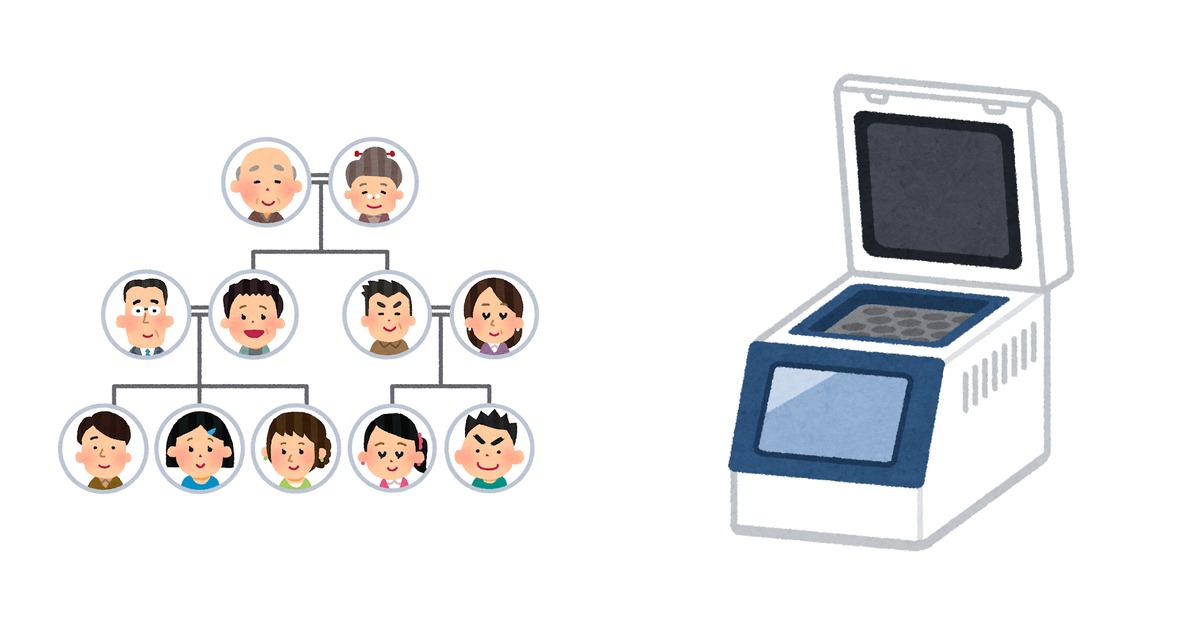
The inheritance pattern is the key teaching point. PK deficiency is autosomal recessive, which means you need two faulty copies of the gene, one from each parent, to be affected. A person with a single variant is an unaffected carrier. This differs from dominant conditions, where one variant is enough.
When both parents are carriers, each pregnancy has one of these outcomes:
- 25% chance the child is affected (two variants)
- 50% chance the child is a healthy carrier (one variant)
- 25% chance the child inherits neither variant
Affected people are usually compound heterozygous, meaning they carry two different PKLR variants rather than two identical ones. More than 300 pathogenic PKLR variants have been reported across roughly 600 families, which helps explain why the disease looks so different from person to person. A genetic counselor (find one through NSGC.org) can map exactly which pattern applies to your family.
It also helps to know how long this disease has been understood. Red-cell PK deficiency was the first glycolytic enzyme disorder ever identified, first described in 1956, so the underlying biology is settled science rather than a new or speculative idea. The PKLR gene is active in both the liver and red blood cells, which is why the enzyme carries the “L” and “R” labels in its name. Only the red-cell form drives the anemia that defines this condition.
Who can actually map out how this pattern plays out in my own family?
A genetic counselor does exactly that. You can find one through NSGC.org, and they’ll trace which variant pattern applies to you.
The wide range in how the disease shows up is not random. Because two different variants usually combine, each with its own effect on enzyme activity, the leftover PK function can range from almost none to nearly normal. That is why one affected person may need transfusions from birth while another has mild, well-compensated anemia found only in adulthood. Understanding which variant pair a family carries is precisely the kind of question a hematologist or genetic counselor is trained to answer.
Section recap: PK deficiency is autosomal recessive, so two pathogenic PKLR variants are needed to be affected; one variant makes you a healthy carrier.
Risk magnitude: what carrier status means for you and the odds for your children
If I’m a carrier, does that put my own health at risk somehow?
Carriers don’t develop hemolytic anemia. MedlinePlus notes the condition affects roughly 1 in 20,000 people, and a single variant is about reproductive risk, not your own health.
A PKLR carrier result rarely says anything about your own health. Carriers do not have hemolytic anemia, so the result is about reproductive risk, not personal disease. That single shift in framing removes most of the alarm.
For context, PK deficiency is the most common inherited enzyme defect of glycolysis and the leading cause of hereditary non-spherocytic hemolytic anemia. MedlinePlus Genetics estimates a prevalence of about 1 in 20,000 people of European descent, and true prevalence is likely higher because mild cases go undiagnosed. Certain founder variants cluster in specific groups, such as the Old Order Amish of Pennsylvania.
Now the arithmetic that matters to you. Your child is at risk of the disease only if both you and your partner carry a PKLR variant. Here is what each combination means for children:
| Your status | Partner status | Chance of an affected child |
|---|---|---|
| Carrier | Carrier | 25% (25 out of 100 pregnancies) |
| Carrier | True non-carrier | 0% (children may be carriers only) |
| Carrier | Untested | Unknown until the partner is tested |
One caution keeps this honest. A direct-to-consumer report tests only a limited set of variants, so a “negative” partner result lowers but does not fully erase residual carrier risk. A genetic counselor can translate these odds into a plan that fits your own pregnancy timeline.
It helps to compare this with everyday odds. A 25% chance per pregnancy is the same as flipping two coins and both landing heads. It applies independently to each pregnancy, not once per family. A couple could have three unaffected children in a row and still face that same 25% chance with a fourth pregnancy. The coin has no memory, and neither does inheritance.
Framing the numbers this way matters for peace of mind, because a diagnosis-heavy report can make a low-probability event feel certain. Even when both partners are confirmed carriers, three out of four pregnancies are expected to result in a child without the disease. In the far more common situation where only one partner carries a variant, no pregnancy is at risk of the disease at all. A genetic counselor can review these odds against your specific test results (NSGC.org).
How do I turn these percentages into a real plan for our next pregnancy?
A genetic counselor factors in your ancestry and family history, then reviews the odds against your own results. You can reach one through NSGC.org.
Population background adds one more layer of reassurance. Because PK deficiency occurs in roughly 1 in 20,000 people of European descent, the odds that any random partner also carries a PKLR variant are modest to begin with. That baseline is higher in a few founder populations, such as the Old Order Amish. Family history and ancestry are part of what a genetic counselor factors in, which is why individualized advice beats a generic number.
Section recap: Carriers are healthy; a child is at risk only if both parents carry a variant, giving a 25% (25 out of 100) chance per pregnancy.
Testing options in the US and Canada: DTC reports vs clinical diagnostics
Isn’t my 23andMe result basically the same as a real medical test?
Not quite. A DTC report checks only a few preset variants; it’s screening, not a diagnosis. The 2021 ACMG resource points to clinical panels for reproductive planning.
Direct-to-consumer carrier reports from 23andMe and similar services test a limited, predefined set of PKLR variants. They are screening tools, not diagnoses. A clinically ordered expanded carrier panel tests far more variants and is the appropriate step for reproductive planning.
The main differences are easy to summarize:
| Feature | DTC report (e.g. 23andMe) | Clinical expanded panel |
|---|---|---|
| Variants tested | A few predefined ones | Many more, or full sequencing |
| Purpose | Screening / awareness | Reproductive planning |
| Ordered by | The consumer | A clinician |
| Confirms a diagnosis? | No | Yes, with follow-up testing |
The 2021 ACMG practice resource recommends offering broad carrier screening to everyone who is pregnant or planning a pregnancy, regardless of ancestry. For an autosomal recessive condition, testing your reproductive partner is the decisive move, because disease risk to children exists only if both partners carry pathogenic variants. Ideally your partner gets full PKLR sequencing, since a limited panel can miss his specific variant.
If someone actually has anemia symptoms, the diagnostic path is different. Clinicians run a red-cell pyruvate kinase enzyme-activity assay (the functional test) alongside a hemolysis workup. That workup typically includes:
- Complete blood count with reticulocyte count
- Bilirubin
- LDH (lactate dehydrogenase)
- Haptoglobin
- A blood smear
PKLR gene sequencing then confirms and characterizes the variants.
One technical caveat is worth knowing, like a scale that misreads right after a big meal. The enzyme assay can be distorted by recent transfusion or by the young, high-PK red cells of a reticulocytosis, so genetic testing complements it. A reticulocytosis is simply a surge of new red cells the body makes to replace lost ones. In other words, a patient who was recently transfused might show a falsely normal enzyme level. That is why the functional assay and the gene test are read together, not in isolation.
So what do I actually do with this DTC result to get a proper answer?
Treat it as a reproductive-risk flag and ask for a referral. A genetic counselor at NSGC.org can arrange CLIA-certified confirmatory testing, plus a hematologist if there’s anemia.
A 2019 consensus panel spelled out this diagnostic pairing in detail, recommending the hemolysis workup, the enzyme-activity assay, and PKLR sequencing as complementary steps rather than competing ones. Confirmatory testing should happen in CLIA-certified (US) or accredited (Canada) laboratories, the same quality standard hospitals rely on. A positive DTC report is a reproductive-risk flag that warrants referral to a genetic counselor, and to a hematologist if there is anemia; NSGC-certified counselors can arrange this (NSGC.org).
Section recap: DTC reports screen a limited variant set; clinical expanded panels, full PKLR sequencing, and an enzyme assay are what confirm a diagnosis.
Interpreting your result: carrier vs affected vs VUS, and why two variants matter
My report used the phrase “uncertain significance.” Should that scare me?
The 2015 ACMG and AMP standards say a variant of uncertain significance must not be treated as pathogenic. It simply lacks enough evidence yet.
Autosomal recessive results follow a clear ladder. Where you land depends on how many pathogenic variants you carry:
- One pathogenic variant, no anemia → unaffected carrier, not a patient
- Two pathogenic variants (compound heterozygous or homozygous), usually with lab evidence of hemolysis → potentially affected
- A variant of uncertain significance (VUS) → not enough evidence to call it a threat
The middle rung causes the most worry: the variant of uncertain significance, or VUS. The 2015 ACMG and AMP standards define a VUS as a variant whose disease link is not established, and it must not be treated as pathogenic. Their five-tier framework runs from pathogenic through likely pathogenic, VUS, likely benign, and benign. A VUS is like a word in a language you do not yet speak; you cannot assume it is a threat.
These standards are not a niche academic exercise. They are the foundational, widely implemented rules that laboratories across the US and Canada use to decide what a variant means, weighing many lines of evidence before calling something pathogenic. The same variant can also be reclassified as more evidence accrues, so a result read today may be updated later. That is another reason to keep a genetic counselor in the loop rather than treating one report as final.
A single-gene DTC carrier report cannot tell you by itself whether a future child would be affected, because that depends on your partner’s PKLR status. PKLR also has many pathogenic variants, and clinical severity correlates loosely with the specific combination, so two “affected” people can have very different disease. Reproductive decisions hinge on confirming that both partners carry pathogenic, not uncertain, variants, exactly the ambiguity a genetic counselor resolves.
There is one special case. Unexplained newborn jaundice or anemia in a family with known carriers may prompt earlier hematology evaluation, though only clinical testing can confirm it. If a cousin’s baby once needed light therapy for unexplained jaundice, that history is worth mentioning to your clinician, who can decide whether it is relevant.
So who untangles whether my variant really means anything for a future baby?
Resolving pathogenic-versus-uncertain results is core work for a genetic counselor, guided by ACMG standards. You can find one at NSGC.org to interpret your family’s variants.
That said, newborn jaundice is very common and usually has nothing to do with an inherited enzyme problem. The point is not to assume a link but to give your clinician the full picture. A family thread plus a symptom can occasionally change what testing makes sense. A hematologist or genetic counselor is the right person to weigh that context rather than a search engine.
Section recap: One pathogenic variant means carrier, two means potentially affected, and a VUS must not be read as pathogenic; a counselor resolves the ambiguity.
Managing and monitoring the disease for affected individuals
If a child of ours were affected, what does day-to-day care even look like?
The 2020 Blood management review describes folic acid, transfusions for symptomatic anemia, and monitoring. It’s all coordinated by a hematologist, not something you’d manage alone.
A PKLR genotype cannot be changed, so the actionable levers differ by situation. For affected people, they are monitoring, supportive care, and complication prevention; for carriers, they are reproductive planning and reassurance.
Traditional care still rests on a few mainstays described in the 2020 Blood management review:
- Folic acid supplementation to support fast red-cell turnover
- Red-cell transfusions for symptomatic anemia
- Splenectomy (historically) to reduce hemolysis, though it carries lifelong infection and thrombosis risks and requires vaccination and counseling first
In the natural-history registry, 210 of 250 patients (84%) had received at least one transfusion in their lifetime, which shows how central transfusion support has been.
The natural-history registry also puts the burden of complications in concrete terms. Across 278 patients followed at multiple centers in five countries, documented complications included jaundice, gallstones, iron overload, severe anemia, thrombosis, and osteopenia. Anemia severity moderately improved after splenectomy. That registry is why guidelines now recommend close, lifelong monitoring in all affected patients rather than waiting for symptoms.
Two monitorable complications deserve special attention:
- Iron overload occurs even in patients who are rarely or never transfused, because chronic hemolysis increases iron absorption. It is tracked with ferritin (and liver MRI when indicated), then managed with chelation or phlebotomy.
- Gallstones from chronic hemolysis warrant surveillance too.
It is like rust building up quietly in pipes even when little water flows through. This is a common blind spot, because many people assume that avoiding transfusions avoids iron problems, which is not the case here. Among patients older than five years in the natural-history study, 98% had received at least one transfusion in their lifetime. That striking figure shows how demanding the disease could be before targeted therapy existed.
Do I need this kind of monitoring myself, just as a carrier?
No. Carriers need none of this blood surveillance. A genetic counselor at NSGC.org can confirm which category you fall into and set your mind at ease.
Affected children need growth and developmental monitoring, and pregnancy in affected women needs specialist co-management. Surveillance is individualized and coordinated by a hematologist. Carriers, importantly, do not need this monitoring, and a genetic counselor can confirm which category you fall into (NSGC.org). The practical takeaway is simple: an affected person benefits from a long-term relationship with a hematology center, while a healthy carrier does not need ongoing blood monitoring at all.
Section recap: Affected people need hematologist-led monitoring for anemia, iron overload, and gallstones; carriers need none of this surveillance.
The treatment landscape: mitapivat (Pyrukynd), with dated FDA milestones
I heard there’s a new drug now. Is it actually approved, or still experimental?
Approved. The FDA cleared mitapivat, brand name Pyrukynd, in February 2022 for adults, based on the phase 3 ACTIVATE trial. It’s real, though not a cure.
For decades, PK deficiency had only supportive management. That changed with a new drug class called PK activators.
Mitapivat, sold as Pyrukynd, is a first-in-class oral allosteric activator of red-cell pyruvate kinase. The FDA approved it on February 17, 2022, for hemolytic anemia in adults with PK deficiency, making it the first disease-modifying, mechanism-targeted therapy for the condition. Approval rested on the phase 3 ACTIVATE trial in patients not regularly transfused and the ACTIVATE-T study in regularly transfused patients.
The trial data set honest expectations. Here is what the pivotal ACTIVATE study showed:
- Design: global, double-blind, placebo-controlled phase 3 study in 80 adults not receiving regular transfusions
- Response definition: a hemoglobin rise of at least 1.5 g/dL sustained across multiple checkpoints
- Result: 16 of 40 patients (40%) on mitapivat had a sustained response, versus 0 of 40 (0%) on placebo
- Other benefits: improved markers of hemolysis and hematopoiesis and quality of life
- Most common side effects: nausea and headache
The response was partial and reached a substantial minority, not everyone. Response depends in part on genotype, and mitapivat is a prescription therapy used under hematology care, not a cure.
Reading those numbers carefully guards against overselling. A 40% response rate is a genuine advance for a disease that previously had no targeted therapy. But it also means most patients in the trial did not meet the response threshold, which is why a hematologist weighs the odds for each individual. The drug works by chemically nudging the faulty enzyme to work better, so patients whose variants leave some residual enzyme activity tend to respond more.
The field is still moving. The pediatric phase 3 studies ACTIVATE-Kids and ACTIVATE-KidsT reached primary completion in 2024. ACTIVATE-Kids met its hemoglobin-response endpoint, while ACTIVATE-KidsT missed its prespecified statistical criterion (28.1% vs 11.8% reached the transfusion-reduction endpoint). The pediatric safety profile matched what adults had shown, and the manufacturer stated it intends to seek a pediatric marketing application. As of 2024 the FDA label remained adult-only, and pediatric use depends on regulatory review that is not yet complete. Health Canada status was not verified in the sources reviewed here, and access in either country involves specialty-drug prior authorization. A hematologist can advise whether this therapy fits a specific patient.
How would I even find out if this drug could help a specific patient?
A hematologist decides that. In ACTIVATE about 40% of adults responded, and response depends on genotype, so ask your doctor for a referral to a hematology center.
It is worth being explicit about what remains uncertain, since honest limits build trust. Other PK activators and gene-therapy approaches for PK deficiency are still investigational and not approved, so they should not be counted on today. Long-term durability data for approved therapy continue to accrue as well. For any real decision, a hematology center can explain which options are actually available for a given patient’s age and situation.
Section recap: Mitapivat (Pyrukynd) won FDA approval on February 17, 2022, for adults; it helped about 40% in ACTIVATE, is genotype-dependent, and is not a cure.
Family implications and cascade or partner testing before conception
Should my wife get tested before we try for another baby?
Under ACMG carrier-screening guidance, testing your partner is the decisive step. If a full PKLR panel comes back negative, your risk of an affected child drops to very low.
For a recessive condition, cascade testing is mostly about reproduction. When one partner is a confirmed PKLR carrier, the single most useful next step is testing the other partner, ideally with full PKLR sequencing rather than a limited DTC panel. Disease risk to children exists only if both parents carry pathogenic variants. If a thorough panel comes back negative for your partner, the couple’s risk of an affected child falls to very low.
Blood relatives matter too. Each sibling of a carrier has a meaningful chance of also being a carrier, so relatives may want to know their status before their own family planning. Testing for a known family variant is inexpensive and definitive, like checking one specific key against one specific lock. This is a practical reason to tell siblings about a carrier result.
Sharing that news can feel awkward, and genetic counselors are trained to help with exactly this kind of family communication. A simple message often works: you learned you carry a variant, it does not make you sick, and relatives may want their own testing before planning a family. There is no obligation to act, only the option to be informed. A counselor can even provide a short family-letter template that explains the variant in plain terms.
I dread telling my siblings. Do they really need to know I’m a carrier?
Each sibling has a real chance of being a carrier too. NSGC-certified counselors help with that exact conversation and can even provide a plain-language family letter.
For couples where both partners are carriers, options should be presented neutrally and without pressure. These reproductive choices include:
- Preconception genetic counseling
- Prenatal diagnosis
- Preimplantation genetic testing for monogenic disease (PGT-M, which screens embryos before pregnancy)
- Donor gametes, where relevant
None of these is required; they are choices.
NSGC-certified genetic counselors coordinate partner and cascade testing, interpret family-specific variant combinations, and support communication with relatives. This is the exact work they are trained for, and you can find one at NSGC.org.
Timing is a practical detail that often gets missed. Partner testing can take a few weeks and may need a full sequencing panel rather than a quick screen. Starting the conversation before conception, not during an anxious first trimester, gives a couple room to make unhurried decisions. A counselor can lay out the sequence of steps so nothing has to be rushed. The goal is information, not pressure, and no reproductive option is ever mandatory.
Section recap: Testing the partner is the decisive step; siblings may also want testing, and counselors coordinate the whole cascade and reproductive options.
Psychosocial impact and US or Canada legal protections
Could this carrier result come back to bite me on my health insurance?
In the US, GINA (2008) bars health insurers and employers from using genetic information to discriminate. It doesn’t cover life or disability policies, though.
A carrier result can stir real anxiety: worry about future children, the awkwardness of asking a partner to test, and questions about insurance and drug cost. Naming these worries is the first step to managing them, and genetic counseling supports this emotional dimension too.
The legal protections differ by country, and the contrast is easy to summarize:
| Protection | United States (GINA + ACA) | Canada (2017 Act) |
|---|---|---|
| Health insurance | Protected | Protected |
| Employment | Protected | Protected |
| Life / disability / long-term-care insurance | Not covered federally (some states add it) | Broadly restricted |
| Legal status | Federal statute, 2008 | Upheld by Supreme Court, 2020 |
US law offers meaningful, if partial, protection. The Genetic Information Nondiscrimination Act (GINA, 2008) bars health insurers and employers from using genetic information to discriminate, with the Affordable Care Act reinforcing coverage protections. Being honest matters here: GINA does not cover life, disability, or long-term-care insurance, leaving a residual “insurance gap”. For an unaffected carrier, that gap matters far less than it would for someone with a diagnosed adult-onset disease. Some states add protections beyond federal GINA.
Canada goes further. The Genetic Non-Discrimination Act (2017) prohibits requiring anyone to undergo, or disclose the results of, a genetic test as a condition of goods, services, or a contract. On July 10, 2020, the Supreme Court of Canada upheld the Act as valid criminal law, giving Canadian carriers broader reassurance than the US framework. The Court reasoned that genetic privacy is part of a person’s core biographical information, which is a strong statement of principle. In practical terms, the protections in Canada reach across insurance and contractual settings in a way US federal law does not.
One nuance can ease worry for US carriers. Beyond federal GINA, some states add their own protections that reach into life, disability, or long-term-care insurance. That means the residual gap is narrower in certain places than the federal picture alone suggests. A genetic counselor familiar with your state can explain what applies where you live. Because you are a healthy carrier rather than a diagnosed patient, the practical stakes of that gap are already lower.
The whole thing still weighs on me. Who can I actually talk to about the worry?
Genetic counseling supports the emotional side too, and groups like NORD offer community. A counselor at NSGC.org can point you to the right resources.
Cost is the other practical concern. Mitapivat and transfusion-based care are expensive, so access is not automatic. US access runs through private insurance with prior authorization, Medicare or Medicaid, and manufacturer or foundation assistance programs. Canadian access runs through provincial drug plans and case-by-case rare-disease funding. Patient-advocacy groups, including the NORD rare-disease community and PK-deficiency patient organizations, offer support, and a genetic counselor can point you to them (NSGC.org).
For a worried carrier who is not yet pregnant, this legal backdrop is quietly reassuring. The Canadian framework in particular treats genetic privacy as core personal information, a principle the Supreme Court affirmed in its 2020 decision. On both sides of the border, the everyday reality for an unaffected carrier is that testing informs family planning without exposing you to health-insurance or employment discrimination. The emotional weight of the result usually eases once the legal picture and the low personal-health stakes are clear, and a counselor can talk this through if anxiety lingers.
Section recap: GINA and the ACA protect US health insurance and jobs but not life or disability policies; Canada’s 2017 Act, upheld in 2020, is broader.
Frequently asked questions
Will I get the disease if 23andMe says I’m a carrier? Almost certainly not. PK deficiency is autosomal recessive, so one PKLR variant makes you a healthy, unaffected carrier, not a patient. Disease requires two pathogenic variants. Confirm your status with a genetic counselor (NSGC.org).
Will my children inherit it? Only if both you and your partner carry a PKLR variant. In that case, each pregnancy has a 25% chance (25 out of 100) of an affected child. If only one of you is a carrier, children may be carriers but will not have the disease.
Will this affect my health or life insurance? In the US, GINA and the ACA protect health insurance and employment, but not life, disability, or long-term-care insurance. Canada’s 2017 Act, upheld in 2020, is broader. For an unaffected carrier, the practical gap is small.
Can my employer find out? Under GINA, US employers cannot use genetic information to discriminate, and the EEOC enforces this. Canada’s Act adds further protection against compelled disclosure. A genetic counselor can walk you through your specific situation.
Should I get a second opinion or confirmatory test? Yes. A DTC report is screening, not a diagnosis. A clinical expanded panel or full PKLR sequencing, plus an enzyme assay if there is anemia, confirms the picture, and CLIA-certified or accredited labs perform it. Ask a hematologist or genetic counselor.
Summary
A PKLR carrier result from a direct-to-consumer test is usually reassuring once you understand the biology. PK deficiency is autosomal recessive, so a single variant makes you a healthy carrier, and disease requires two pathogenic variants. The result is mainly a reproductive-risk flag, and testing your partner with a comprehensive panel is the decisive next step. If a child were affected, care has genuinely advanced. Mitapivat (Pyrukynd) won FDA approval in February 2022 for adults, based on the ACTIVATE trials. Its benefit is partial and genotype-dependent, and supportive care plus iron-overload monitoring still matter. Legal protections differ by country, with Canada’s framework broader than US GINA. The right next step is a conversation with an NSGC-certified genetic counselor and, if there is anemia, a hematologist.
Put simply, a PKLR carrier result is a piece of planning information, not a diagnosis. The most useful actions are concrete and unhurried. Confirm your own result if needed, and arrange comprehensive PKLR testing for your partner before conceiving. Also bring any family history of newborn jaundice or anemia to the conversation. A genetic counselor can turn a report that felt alarming into a clear, manageable plan (NSGC.org). Nothing here is a substitute for that professional guidance, which is where any real decision belongs.
This article is for educational purposes only. It is not a substitute for advice from a licensed physician, board-certified medical geneticist, or board-certified genetic counselor. For any decisions about testing, treatment, or care, consult a qualified clinician. In emergencies, call 911.
References
- OMIM #266200 (Anemia, Congenital Nonspherocytic Hemolytic, 2) and PKLR *609712. https://www.omim.org/entry/266200
- Pyruvate kinase deficiency — MedlinePlus Genetics, U.S. National Library of Medicine (NIH). https://medlineplus.gov/genetics/condition/pyruvate-kinase-deficiency/
- Al-Samkari H, Galacteros F, Glenthøj A, et al. Mitapivat versus Placebo for Pyruvate Kinase Deficiency (ACTIVATE trial). N Engl J Med. 2022. https://www.nejm.org/doi/full/10.1056/NEJMoa2116634
- U.S. FDA — Pyrukynd (mitapivat) approval and prescribing information (NDA 216196), February 17, 2022. https://www.accessdata.fda.gov/drugsatfda_docs/nda/2022/216196Orig1s000IntegratedR.pdf
- Grace RF, Bianchi P, van Beers EJ, et al. Clinical spectrum of pyruvate kinase deficiency: Pyruvate Kinase Deficiency Natural History Study. Blood. 2018;131(20):2183-2192. https://ashpublications.org/blood/article/131/20/2183/6537/
- Agios Pharmaceuticals — ACTIVATE-Kids and ACTIVATE-KidsT phase 3 topline results (2024). https://www.globenewswire.com/news-release/2024/08/01/2922579/31990/en/Agios-Announces-Results-from-Phase-3-ACTIVATE-KidsT-Study-of-Mitapivat-in-Children-with-PK-Deficiency-Who-Are-Regularly-Transfused.html
- Grace RF, Barcellini W. Management of pyruvate kinase deficiency in children and adults. Blood. 2020;136(11):1241-1249. https://ashpublications.org/blood/article/136/11/1241/461550/
- Zanella A, Fermo E, Bianchi P, Valentini G. Red cell pyruvate kinase deficiency: molecular and clinical aspects. Br J Haematol. 2005;130(1):11-25. https://onlinelibrary.wiley.com/doi/10.1111/j.1365-2141.2005.05527.x
- Gregg AR, Aarabi M, Klugman S, et al.; ACMG. Screening for autosomal recessive and X-linked conditions during pregnancy and preconception. Genet Med. 2021;23(10):1793-1806. https://www.gimjournal.org/article/S1098-3600(22)00669-5/fulltext
- Richards S, Aziz N, Bale S, et al.; ACMG & AMP. Standards and guidelines for the interpretation of sequence variants. Genet Med. 2015;17(5):405-424. https://www.nature.com/articles/gim201530
- Bianchi P, Fermo E, Glader B, et al. Addressing the diagnostic gaps in pyruvate kinase deficiency: consensus recommendations. Am J Hematol. 2019;94(1):149-161. https://onlinelibrary.wiley.com/doi/full/10.1002/ajh.25325
- Genetic Information Nondiscrimination Act of 2008 (GINA) — NHGRI/NIH; EEOC (Title II). https://www.genome.gov/about-genomics/policy-issues/Genetic-Discrimination
- Genetic Non-Discrimination Act (2017); Reference re Genetic Non-Discrimination Act, 2020 SCC 17. https://en.wikipedia.org/wiki/Reference_re_Genetic_Non%E2%80%91Discrimination_Act
Last updated: 2026-08-07
Author: genelumen editorial team. This article aggregates 13 sources from peer-reviewed medical literature and public health agencies (tier 1=8 / tier 2=5), including the NIH (MedlinePlus Genetics, OMIM, NHGRI), the U.S. FDA, ACMG and ACMG/AMP guidelines, the Supreme Court of Canada, and PubMed-indexed journals (NEJM, Blood, British Journal of Haematology, American Journal of Hematology).
This article is for educational purposes only and is not a substitute for medical advice from a licensed physician, board-certified medical geneticist, or board-certified genetic counselor. In emergencies, call 911 (US/Canada) or 119 (Japan).
Related: Genetic Diseases category
🌐 日本語版: https://genelumen.com/ja/ja-metabolic-hematologic-genetic/pyruvate-kinase-deficiency-inheritance