- Hereditary ATTR Amyloidosis and the TTR Gene: What Research Shows a 23andMe Result Really Means, and Where the New Treatments Stand
- How Hereditary ATTR Amyloidosis Is Inherited: The TTR Gene and Misfolded Protein
- Risk Magnitude: Variant, Ancestry, Sex, and Age All Shape the Odds
- Testing Options in the US and Canada: DTC Reports vs. Clinical Diagnostics
- Interpreting Your Result: Carrier vs. Presymptomatic vs. Established Disease
- Prevention, Early Detection, and Surveillance for At-Risk Carriers
- The Treatment Landscape: Dated FDA Milestones for Silencers and Stabilizers
- Family Implications and Cascade (Predictive) Testing
- Psychosocial Impact and US/Canada Legal Protections: GINA and the Insurance Gap
- Frequently Asked Questions
- Summary
- References
Hereditary ATTR Amyloidosis and the TTR Gene: What Research Shows a 23andMe Result Really Means, and Where the New Treatments Stand
This article is for educational purposes only. It is not a substitute for advice from a licensed physician, board-certified medical geneticist, or board-certified genetic counselor. For any decisions about testing, treatment, or care, consult a qualified clinician. In emergencies, call 911.

My dad has this. I keep lying awake wondering if I’m next, and honestly it scares me.

That worry is one of the most common reasons people come to a genetics clinic. A family history raises risk, but it is not destiny.
But if I test and find out I’m a carrier, can I even handle knowing that?
Many people sit exactly where you are. Studies suggest neutral-to-mild psychological impact when testing is paired with genetic counseling.
My wife and I have two young kids. Could they have inherited this too?
It’s a fair question. The concept of cascade testing for at-risk relatives is well established in the genetics guidelines, and it can bring real reassurance.
Okay. So what do I actually do next? I don’t even know where to start.
We’ll walk it through together: your primary care doctor, then a genetic counselor, then a medical geneticist. This article maps out each step calmly.
Bottom line: Research shows that a TTR variant is a predisposition, not a diagnosis. Studies report that penetrance is incomplete and strongly age-dependent, so many carriers stay well and some never get sick. The variant follows autosomal-dominant inheritance, so each child has a 50% chance of inheriting it. Trials have shown that effective, FDA-approved therapies now exist for established disease, but they are not used in symptom-free carriers, whose plan is surveillance.
What you’ll learn
- Why a positive TTR result is a predisposition, not an inevitability, in plain numbers.
- What a direct-to-consumer report tells you, and what it cannot tell you on its own.
- Where the newest FDA-approved treatments really stand, with dates.
- The concrete next steps for you and your family, in the US and Canada.
How Hereditary ATTR Amyloidosis Is Inherited: The TTR Gene and Misfolded Protein
So one bad copy of a gene from my dad is all it takes? That feels so unfair.
I hear that. OMIM confirms it is autosomal dominant, so one copy raises risk, yet penetrance is incomplete and many carriers stay well for decades.
Hereditary ATTR amyloidosis is caused by a pathogenic variant in a gene called TTR, on chromosome 18. This gene builds a protein named transthyretin, which the liver makes to carry thyroid hormone and vitamin A.
Normally four copies of this protein clip together into a stable unit. A destabilizing variant loosens that clip. Think of a stool losing a leg. The unit falls apart, the pieces misfold, and they pile up as amyloid deposits in nerves and the heart. Deposits in nerves cause polyneuropathy (hATTR-PN, or nerve damage), and deposits in the heart cause cardiomyopathy (ATTR-CM, or a stiff, weakened heart muscle).
This condition is autosomal dominant, meaning one copy of the variant from either parent is enough to confer risk. So each child of a carrier has a 50% chance of inheriting the variant. That is very different from recessive conditions, which need two copies. But inheriting the variant does not guarantee disease. Penetrance is incomplete and age-dependent, so many carriers stay symptom-free into later life.
The symptoms follow where the amyloid lands. In nerves, deposits can cause numbness, tingling, pain, and problems with blood pressure, digestion, or bladder control, together called autonomic symptoms. Carpal tunnel syndrome, a pinched nerve at the wrist, is a common early clue. In the heart, thickened, stiff muscle leads to breathlessness, swelling, and fatigue. Age of onset ranges widely, from the 20s to after age 70, depending mainly on the variant.
Okay, but who can actually sit down and explain what my specific report means for me?
A certified genetic counselor is exactly the person for this. Per MedlinePlus, they read the variant in context; you can find one at NSGC.org or ask your doctor for a referral.
One more distinction matters when you read a result. Hereditary ATTR comes from an inherited variant. Wild-type ATTR (ATTRwt) involves no variant at all and mainly affects older men. A genetic report speaks only to the hereditary form. If you are unsure what your report shows, a genetic counselor (find one at NSGC.org) can explain it in your own context.
Section recap: A single TTR variant destabilizes transthyretin, which misfolds into amyloid in nerves and heart. It passes in an autosomal-dominant pattern, but inheriting it does not guarantee disease.
Risk Magnitude: Variant, Ancestry, Sex, and Age All Shape the Odds
My report just says V122I. Does that tell me my exact odds of getting sick?
Not on its own. A JAMA biobank study showed V122I raises heart-failure risk mainly in later adulthood, but odds vary by ancestry, sex, and age.
A TTR result does not come with a fixed chance of disease. Research shows that risk depends on the specific variant, ancestry, sex, and age. The report flags a predisposition, and the absolute risk for any one person cannot be read off the page alone.
Take the V122I variant (also written p.Val142Ile), the one most relevant to Marcus’s report. Studies report that about 3 to 4 out of every 100 Americans of West African or African American ancestry carry it, roughly 1.5 million people. That ancestry link is why the variant is more common in Black families: it is inherited, not caused by lifestyle. V122I mainly causes late-onset heart disease, and its effect is usually not apparent before about age 60. A large biobank study linked V122I to a higher risk of heart failure in people of African ancestry, with risk emerging later in adulthood.
A second large study reinforces this picture. In a biobank analysis drawing on the Million Veteran Program and other cohorts, V122I carriers of African ancestry had clearly higher odds of heart failure. The excess risk emerged in later adulthood, not in youth. That fits the pattern of a disease that is real but slow, and age-dependent.
Yet many carriers never develop overt disease, and lifetime penetrance estimates vary across study groups. Other variants behave differently. V30M (p.Val50Met) is the classic nerve form, common and early-onset in clusters such as Portugal, Sweden, and Japan, but later-onset elsewhere. T60A (p.Thr80Ala), often seen in Irish-ancestry families, tends to cause mixed heart and nerve disease. Men are generally affected more often and earlier than women for cardiac variants, and onset is usually in mid-to-late adulthood.
So how do I turn all these variables into a real number for my own situation?
A genetic counselor does that. Guided by the NEJM V122I epidemiology data and your family history, they build a realistic picture; find one at NSGC.org or via your doctor.
Think of it like family risk for high blood pressure. A predisposition raises your odds, but it is not a verdict, and timing and severity differ from person to person. A genetic counselor can turn your specific variant and family history into a realistic picture rather than a scary headline.
Section recap: A TTR variant sets a predisposition, not a fixed number. For V122I, risk is late-onset, more common in African American families, and incompletely penetrant, so a positive report is not a diagnosis.
Testing Options in the US and Canada: DTC Reports vs. Clinical Diagnostics
I already spat in a tube for 23andMe. Isn’t that basically the same as a real genetic test?
Not quite. It screens only a few variants. ACMG standards say a direct-to-consumer positive should always be confirmed by clinical sequencing before you act on it.
A 23andMe TTR-Related Hereditary Amyloidosis report checks a limited set of variants, typically V122I, V30M, and T60A. It is a screening tool, not a diagnosis. Two separate questions follow a positive report: is the variant truly there, and is there any actual amyloid disease yet?
Testing falls into a few distinct steps, and it helps to keep them separate:
- Direct-to-consumer screen (23andMe): checks only a few TTR variants and is screening, not diagnostic; a positive result should always be confirmed clinically before you act on it.
- Confirmatory genetic test: TTR gene sequencing in a CLIA-certified US lab or an accredited Canadian lab confirms whether the variant is truly present.
- Cardiac workup (if heart disease is suspected): technetium pyrophosphate (Tc-99m PYP) scintigraphy, a nuclear scan, plus a blood and urine screen to rule out a monoclonal protein; in the right cases this diagnoses ATTR-CM without a heart biopsy, supported by echocardiography and cardiac MRI.
- Nerve workup (if nerve disease is suspected): nerve conduction studies and specialist neuromuscular assessment, with biopsy and amyloid typing when needed.
Why does the monoclonal screen matter so much? A different amyloid disease, called AL amyloidosis, comes from abnormal antibody proteins, not from TTR. The two look similar on imaging but need very different treatment. So ruling out a monoclonal protein, using blood and urine tests, is a required safety step before a scan can point to ATTR. This is one reason a specialist center, not a home test, should make the call.
This is a lot of different tests. Where do I even go to get the confirmatory one done?
Start with your primary care doctor for a referral, or a genetic counselor at NSGC.org. Per AHA guidance, they route CLIA-lab sequencing and any specialist workup.
Importantly, ATTR amyloidosis is not part of newborn screening. Think of a DTC report as a smoke detector, not a diagnosis: it can prompt a look, but only trained inspectors confirm a fire. A positive report warrants referral to a genetic counselor (find one at NSGC.org) and an amyloidosis center, not self-diagnosis.
Section recap: DTC reports screen a few variants and are not diagnostic. Confirm the variant with clinical sequencing, and let a specialist center decide whether any amyloid disease is actually present.
Interpreting Your Result: Carrier vs. Presymptomatic vs. Established Disease
If I carry the variant, does that already make me a patient with the disease?
No. A presymptomatic carrier is at risk but not a patient. Disease needs objective amyloid evidence, like a positive PYP scan, per the AHA statement.
For an autosomal-dominant, incompletely penetrant condition, results sit on a ladder. Where you stand depends on both your gene and your organs:
- Presymptomatic carrier: you carry a pathogenic TTR variant but have no symptoms and no organ involvement. You are at risk, but you are not a patient.
- Established disease: you carry the variant and also have objective evidence of amyloid, such as a positive PYP scan or characteristic heart or nerve findings. That supports a diagnosis of hereditary ATTR amyloidosis.
- Variant of uncertain significance (VUS): a change whose disease link is not established; research says it must not be treated as pathogenic.
A single-gene DTC report cannot tell the first two rungs apart on its own. It cannot distinguish a symptom-free carrier from someone with active disease, because it only reads the gene, not the organs. That is why confirmation and specialist assessment matter so much.
There is also the question of what kind of variant you have. Research classifies variants on a five-tier scale from pathogenic to benign, with a VUS in the middle. The common variants, V122I, V30M, and T60A, are well-characterized as pathogenic, while rarer TTR changes may be a VUS pending more evidence.
What if my report comes back as some “uncertain” variant? Who untangles that for me?
The ACMG classification rules say a VUS must not be treated as pathogenic. An NSGC-certified genetic counselor and a specialist resolve that; ask your doctor to refer you.
Because penetrance is age-dependent, a confirmed pathogenic result reasonably triggers a plan for baseline and periodic surveillance, not immediate treatment. Think of it like a smoke alarm that has sounded once: you investigate and monitor, you do not tear out the wiring. An NSGC-certified genetic counselor and an amyloidosis specialist can resolve any ambiguity and set the right plan.
Section recap: A symptom-free carrier is not a patient, disease needs objective amyloid evidence, and a VUS is not pathogenic. A DTC report cannot sort these out alone, so seek specialist interpretation.
Prevention, Early Detection, and Surveillance for At-Risk Carriers
If I can’t change the gene, is there honestly anything useful I can even do?
Absolutely. Expert consensus supports early detection and structured surveillance, so if disease ever starts, therapy can begin before serious organ damage sets in.
You cannot change an inherited TTR variant. So the useful levers are early detection, structured surveillance, reproductive planning, and timely referral. For presymptomatic carriers, expert consensus supports a plan of baseline evaluation and periodic monitoring, individualized by variant and expected age of onset, rather than one fixed interval for everyone.
Research describes what that monitoring covers. A practical carrier surveillance checklist, drawn from expert consensus, includes:
- Symptom review: numbness, tingling, autonomic symptoms, carpal tunnel syndrome, and breathlessness on exertion.
- Cardiac checks: an ECG, echocardiography, blood markers (NT-proBNP and troponin), and PYP scintigraphy when indicated.
- Neurologic evaluation: clinical assessment and nerve conduction studies for early nerve involvement.
- Early red flags: bilateral carpal tunnel syndrome and lumbar spinal stenosis can precede overt disease and deserve prompt attention.
Expert consensus, rather than a single hard guideline number, sets these intervals, and they are tailored to the variant and age. Early detection matters because disease-modifying therapy works best before advanced organ damage, and symptom-free carriers are monitored, not treated.
Who sets up this monitoring schedule, and how often should I actually be checked?
An amyloidosis center individualizes intervals by variant and age, per expert consensus. A genetic counselor at NSGC.org or your doctor can help you set that up.
For carriers who want to avoid passing on the variant, several options exist, framed neutrally. They include preconception genetic counseling, prenatal diagnosis, and preimplantation genetic testing for a single-gene condition (PGT-M, meaning embryos are tested before pregnancy). None of these is right or wrong in itself; the choice is personal.
Think of surveillance like scheduled maintenance on a car with a known weak part. You do not replace the part before it fails, but you check it on a sensible schedule so you catch trouble early. Carriers are best followed at, or in coordination with, an amyloidosis center. A genetic counselor (find one at NSGC.org) can help you set that up.
Section recap: The variant is fixed, so the plan is early detection and individualized surveillance guided by expert consensus, watching for red flags like bilateral carpal tunnel, so therapy can start early if disease appears.
The Treatment Landscape: Dated FDA Milestones for Silencers and Stabilizers
If there are now FDA-approved drugs, shouldn’t I just start one to stop this before it begins?
Understandable instinct, but no. Per FDA labeling, these drugs are approved for established disease, not symptom-free carriers, whose plan stays surveillance.
The therapy landscape has changed fast, and dates matter. Two mechanistic classes now exist. Gene-silencing (RNA-targeting) drugs lower how much transthyretin the liver makes. TTR stabilizers instead keep the four-protein unit from falling apart.
The table below summarizes the FDA-approved TTR-directed therapies and their milestones:
| Drug (brand) | Mechanism | FDA-approved indication | FDA approval date |
|---|---|---|---|
| Patisiran (Onpattro) | Gene silencer (siRNA) | hATTR polyneuropathy | Aug 10, 2018 |
| Inotersen (Tegsedi) | Gene silencer (antisense) | hATTR polyneuropathy | 2018 |
| Tafamidis (Vyndaqel/Vyndamax) | TTR stabilizer | ATTR cardiomyopathy | May 3, 2019 |
| Acoramidis (Attruby) | TTR stabilizer (next-gen) | ATTR cardiomyopathy | Nov 22, 2024 |
| Vutrisiran (Amvuttra) | Gene silencer (siRNA) | hATTR-PN (2022); ATTR cardiomyopathy | Mar 20, 2025 |
The pivotal evidence behind those dates is strong. Patisiran’s approval rested on the APOLLO trial, which improved a neuropathy score versus placebo over 18 months. Tafamidis was approved on the ATTR-ACT trial, in which all-cause mortality was 29.5% with the drug versus 42.9% with placebo over 30 months, that is about 30 out of 100 versus about 43 out of 100. Acoramidis, described as a near-complete (about 90%) stabilizer, was approved on the ATTRibute-CM trial, which enrolled 632 patients. Vutrisiran gained its ATTR-CM approval on the HELIOS-B trial, which reduced death and cardiovascular events by roughly 28% versus placebo.
What about Canada? These approval dates are FDA (US) milestones. In Canada, several TTR-directed therapies (including tafamidis and patisiran) are also authorized by Health Canada; however, you should confirm current Health Canada approval and provincial coverage status directly, because it differs from the US and can change over time. A Canadian reader should not assume that a US approval date means the same drug or indication is approved and reimbursed in Canada; a Canadian amyloidosis specialist or pharmacy can confirm what is currently available.
How do these mechanisms differ in plain terms? A silencer turns down the factory that makes transthyretin, so less raw material is available to misfold. A stabilizer instead glues the four-protein unit together, so it is less likely to fall apart in the first place. Both aim to slow new amyloid buildup, and neither removes deposits that already exist.
I’m in Canada. Are these same drugs and dates even available to me here?
These are FDA dates. Several are also Health Canada authorized, but confirm current status and provincial coverage with a Canadian amyloidosis specialist or your doctor.
Be clear-eyed. These are prescription therapies used under specialist care, and they are indicated for established disease, not for symptom-free carriers, whose management is surveillance. They are not cures. Access, prior authorization, and cost are real hurdles, and newer approaches, including investigational in-body CRISPR-based TTR editing, remain in clinical development and are not approved. A cardiologist or neuromuscular specialist at an amyloidosis center decides if and when any of these fit you.
Section recap: FDA-approved silencers and stabilizers now exist, with dated milestones through acoramidis (2024) and vutrisiran for ATTR-CM (2025); several are also Health Canada authorized, but confirm Canadian status locally. They treat established disease under specialist care and are not cures or carrier treatments.
Family Implications and Cascade (Predictive) Testing
If I turn out to carry it, does that mean my siblings and kids are all doomed?
Not doomed. Each first-degree relative has a 50% chance of the variant. ACMG guidance says targeted cascade testing clarifies who is actually at risk.
Because this condition is autosomal dominant, one confirmed variant has ripple effects across a family. When a pathogenic TTR variant is confirmed in one relative, each first-degree relative (children, siblings, parents) has a 50% chance of carrying the same variant. Targeted single-variant predictive testing can then clarify who is at risk and should enter surveillance.
Predictive testing for an adult-onset, incompletely penetrant disease carries special sensitivities. Pre- and post-test genetic counseling helps, and whether and when to test is a personal choice. There is a real upside worth naming: in a family with a known variant, a negative predictive test effectively removes that risk for the person tested. Testing a known family variant is inexpensive and definitive, because the lab knows exactly what to look for.
How do I even bring this up with my siblings without terrifying everyone in the family?
That’s exactly what NSGC-certified genetic counselors are trained for. They coordinate cascade testing and support family conversations; find one at NSGC.org.
This matters directly for Marcus. His father’s history of foot numbness and a “stiff heart” fits the hereditary ATTR pattern of nerve and heart involvement. In earlier decades, such cases were often diagnosed late or never named, because non-invasive tools did not exist. Today, modern PYP scanning can evaluate similar cases without a biopsy, which changes what a family can learn. Given the frequency of V122I in families of African American or West African ancestry, cascade testing is especially relevant here, as it is for families with V30M or T60A roots.
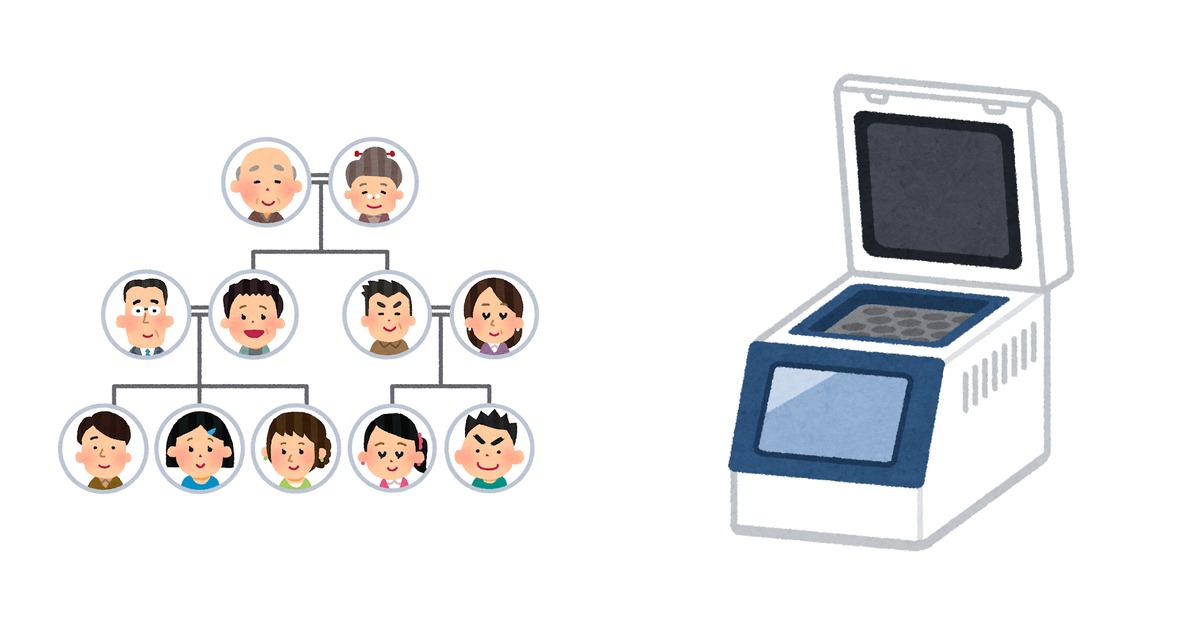
Think of it like a family tree with a light switch at each branch. Predictive testing tells each relative whether their switch is on, so only those at risk take on monitoring. NSGC-certified genetic counselors coordinate cascade testing, interpret family-specific results, and support talking with relatives; you can find one at NSGC.org.
Section recap: Each first-degree relative has a 50% chance of carrying the variant, and targeted predictive testing, done with counseling, can either flag someone for surveillance or reassure them with a definitive negative.
Psychosocial Impact and US/Canada Legal Protections: GINA and the Insurance Gap
If I test positive, could an insurer or my employer use that against me later?
In the US, GINA (2008) bars health insurers and employers from that. But it does not cover life, disability, or long-term-care insurance, an important gap to know.
Watching a parent decline, telling relatives, and worrying about insurance and drug cost all take a toll. Naming these pressures is part of good care, and genetic counseling supports the emotional side, not just the technical one.
The legal protections differ by country and are worth knowing precisely. In the US, the Genetic Information Nondiscrimination Act (GINA, 2008), together with the Affordable Care Act, bars health insurers and employers from using genetic information to discriminate. But GINA does not cover life, disability, or long-term-care insurance. That leaves a real “insurance gap,” which is especially salient for an adult-onset heart and nerve disease once a genetic result is on record. In Canada, the Genetic Non-Discrimination Act (2017) is broader. It prohibits requiring someone to disclose or undergo genetic testing as a condition of a contract or service, and the Supreme Court of Canada upheld it in 2020.
The insurance gap has a practical edge for families like Marcus’s. Life and long-term-care insurers may ask about known genetic results or family history, and GINA does not stop them. That is one reason many people talk with a genetic counselor about timing before they test or disclose. It is a personal decision, not a medical emergency, and there is usually time to think it through.
Should I sort out my life insurance before I test, or is that overthinking it?
Not overthinking. Because of the GINA insurance gap, many people discuss timing with a genetic counselor before testing; it’s a personal choice, and usually there is time.
Because approved ATTR drugs are high-cost specialty therapies, access takes planning. In the US, patients navigate private insurance and prior authorization, manufacturer and foundation assistance programs, and Medicare or Medicaid. In Canada, provincial drug plans and case-by-case rare-disease funding apply. Patient-advocacy groups such as the Amyloidosis Foundation and the Amyloidosis Research Consortium offer coping resources and practical help.
Think of the insurance gap like a seatbelt law that covers cars but not motorcycles: real protection, but with a clear boundary you should know before you ride. A genetic counselor or the relevant agency can explain exactly what applies to your situation before you make any disclosure.
Section recap: GINA and the ACA protect health insurance and employment but not life, disability, or long-term-care insurance, while Canada’s GNDA is broader; knowing the boundary matters before any result goes on record.
Frequently Asked Questions
I have a TTR V122I variant from 23andMe. Does that mean I will definitely get amyloidosis? No. Research shows the variant is a predisposition, not a diagnosis, and penetrance is incomplete and age-dependent. Many carriers of V122I never develop overt disease, and its effect is usually not apparent before about age 60. Confirm the result clinically, and let a genetic counselor and an amyloidosis specialist put your specific risk in context.
Will my children inherit hereditary ATTR amyloidosis? The condition is autosomal dominant, so each child has a 50% chance of inheriting the variant. But inheriting it does not guarantee disease, because penetrance is variable and age-dependent. Predictive single-variant testing, done with genetic counseling, can clarify each child’s risk when they are ready to decide.
Will this affect my health or life insurance? In the US, GINA and the ACA protect your health insurance and employment, but not life, disability, or long-term-care insurance. In Canada, the Genetic Non-Discrimination Act is broader and was upheld by the Supreme Court in 2020. A genetic counselor or the relevant agency can explain what applies before you disclose anything.
Can my employer find out? In the US, GINA bars employers from requesting or using your genetic information to discriminate against you. In Canada, the Genetic Non-Discrimination Act makes it an offense to require disclosure or testing as a condition of a contract. These protections differ in scope, so ask a genetic counselor or the relevant government agency about your specific workplace.
I have a TTR variant but no symptoms. Should I get a second opinion or start treatment now? Get clinical confirmation, but do not expect treatment yet. A symptom-free carrier is monitored, not treated, and approved drugs are for established disease. Confirm the variant in a CLIA-certified or accredited lab, then follow an individualized surveillance plan at or with an amyloidosis center. An NSGC-certified genetic counselor and a specialist can set that plan and act as your second opinion.
Summary
Research shows that a TTR variant is a predisposition, not a diagnosis, and that penetrance is incomplete and strongly age-dependent. For V122I, risk is late-onset and more common in families of African American or West African ancestry, yet many carriers never develop overt disease. The condition passes in an autosomal-dominant pattern, so each child has a 50% chance of inheriting the variant, though inheriting it does not guarantee illness.
A direct-to-consumer report screens only a few variants and is not diagnostic, so any result needs clinical confirmation and, if warranted, specialist workup such as PYP scintigraphy. On treatment, be accurate. FDA-approved silencers and stabilizers now exist, through acoramidis (Attruby) for ATTR-CM in November 2024 and vutrisiran (Amvuttra) for ATTR-CM in March 2025. Several are also Health Canada authorized, but Canadian approval and provincial coverage should be confirmed locally, because they differ from the US. These drugs treat established disease under specialist care, and they are not cures or carrier therapies.
The calm, concrete path forward is to confirm the result, see an NSGC-certified genetic counselor, and let a cardiology or neuromuscular amyloidosis center guide surveillance and any treatment. For a symptom-free carrier, monitoring, not medication, is the right step, and cascade testing can clarify risk for relatives. Taken in order, these steps turn a frightening report into a clear, manageable plan.
This article is for educational purposes only. It is not a substitute for advice from a licensed physician, board-certified medical geneticist, or board-certified genetic counselor. For any decisions about testing, treatment, or care, consult a qualified clinician. In emergencies, call 911.
References
- OMIM #105210 (Johns Hopkins University / NCBI). Amyloidosis, Hereditary, Transthyretin-Related; ATTRV — TTR gene entry. https://www.omim.org/entry/105210
- MedlinePlus Genetics (U.S. National Library of Medicine / NIH). Transthyretin amyloidosis (hereditary) and the TTR gene. https://medlineplus.gov/genetics/condition/transthyretin-amyloidosis/
- Genetic and Rare Diseases (GARD) Information Center, NIH/NCATS. Hereditary ATTR (hATTR) amyloidosis. https://rarediseases.info.nih.gov/diseases/1046/hereditary-attr-amyloidosis
- Adams D, Gonzalez-Duarte A, O’Riordan WD, et al. (2018). Patisiran, an RNAi Therapeutic, for Hereditary Transthyretin Amyloidosis (APOLLO). New England Journal of Medicine. https://pubmed.ncbi.nlm.nih.gov/29972753/
- Maurer MS, Schwartz JH, Gundapaneni B, et al. (2018). Tafamidis Treatment for Patients with Transthyretin Amyloid Cardiomyopathy (ATTR-ACT). New England Journal of Medicine. https://pubmed.ncbi.nlm.nih.gov/30145929/
- Gillmore JD, Judge DP, Cappelli F, et al. (2024). Efficacy and Safety of Acoramidis in Transthyretin Amyloid Cardiomyopathy (ATTRibute-CM). New England Journal of Medicine. https://www.nejm.org/doi/full/10.1056/NEJMoa2305434
- Fontana M, Berk JL, Gillmore JD, et al. (2025). Vutrisiran in Patients with Transthyretin Amyloidosis with Cardiomyopathy (HELIOS-B). New England Journal of Medicine 392:33-44. https://pubmed.ncbi.nlm.nih.gov/39213194/
- U.S. Food and Drug Administration. Drug approval records and prescribing information for TTR-directed therapies (Onpattro, Tegsedi, Vyndaqel/Vyndamax, Amvuttra, Attruby). https://www.accessdata.fda.gov/scripts/cder/daf/
- Quarta CC, Buxbaum JN, Shah AM, et al. (2015). The Amyloidogenic V122I Transthyretin Variant in Elderly Black Americans. New England Journal of Medicine 372:21-29. https://www.nejm.org/doi/full/10.1056/NEJMoa1404852
- Damrauer SM, Chaudhary K, Cho JH, et al. (2019). Association of the V122I Hereditary Transthyretin Amyloidosis Genetic Variant With Heart Failure Among Individuals of African or Hispanic/Latino Ancestry. JAMA 322:2191-2202. https://jamanetwork.com/journals/jama/fullarticle/2757227
- Kittleson MM, Maurer MS, Ambardekar AV, et al. (2020). Cardiac Amyloidosis: Evolving Diagnosis and Management — AHA Scientific Statement. Circulation 142:e7-e22. https://www.ahajournals.org/doi/10.1161/CIR.0000000000000792
- Richards S, Aziz N, Bale S, et al.; ACMG/AMP (2015). Standards and guidelines for the interpretation of sequence variants. Genetics in Medicine 17:405-424. https://pubmed.ncbi.nlm.nih.gov/25741868/
- Conceicao I, Damy T, Romero M, et al. (2019). Early diagnosis of ATTR amyloidosis through targeted follow-up of identified carriers and red-flag symptom clusters. Amyloid 26:3-9. https://pubmed.ncbi.nlm.nih.gov/30793927/
- U.S. EEOC / U.S. Congress; Government of Canada. Genetic Information Nondiscrimination Act (GINA, 2008) and Canada’s Genetic Non-Discrimination Act (2017; upheld by the Supreme Court of Canada, 2020). https://www.eeoc.gov/genetic-information-discrimination
Last updated: 2026-08-05
Author: Genelumen editorial team. This article aggregates 14 sources from peer-reviewed medical literature and public health agencies (tier 1=11 / tier 2=3), including NIH, ACMG guidelines, FDA approval records, AHA scientific statements, and PubMed-indexed publications.
This article is for educational purposes only and is not a substitute for medical advice from a licensed physician, board-certified medical geneticist, or board-certified genetic counselor. In emergencies, call 911 (US/Canada) or 119 (Japan).
Related: Genetic Diseases category
🌐 日本語版: https://genelumen.com/ja/ja-neurogenetic/hereditary-attr-amyloidosis-inheritance-penetrance-ja