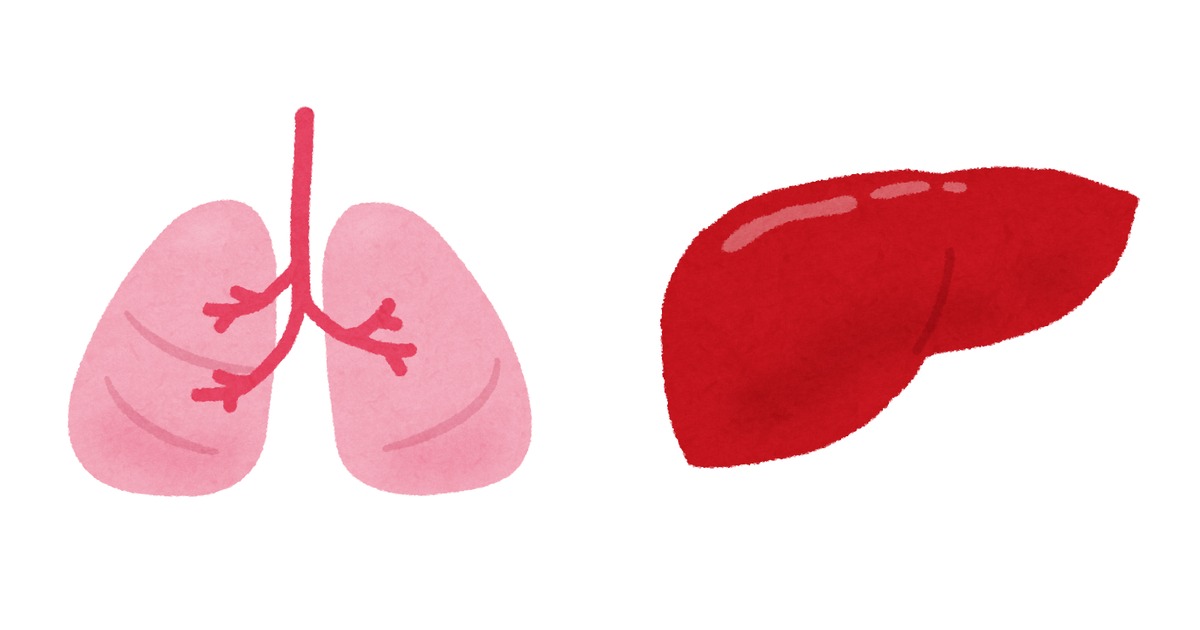
- Alpha-1 Antitrypsin Deficiency Explained: Your Real Lung and Liver Risk (US & Canada)
- How Alpha-1 Antitrypsin Deficiency Is Inherited
- What Your Genotype Means for Real-World Risk
- Testing Options: 23andMe Versus a Clinical Diagnosis
- Interpreting Your Results: Diagnosis, Carrier, or Uncertain
- Prevention and Early Detection
- The Latest Treatment Landscape
- Family Implications and Cascade Testing
- Psychosocial Impact: GINA, Insurance, and Disclosure
- Frequently Asked Questions
- Summary
- References
Alpha-1 Antitrypsin Deficiency Explained: Your Real Lung and Liver Risk (US & Canada)
This article is for educational purposes only. It is not a substitute for advice from a licensed physician, board-certified medical geneticist, or board-certified genetic counselor. For any decisions about testing, treatment, or care, consult a qualified clinician. In emergencies, call 911.

My dad has this lung condition. I keep lying awake wondering if I’m next.

That worry is one of the most common reasons people walk into a genetics clinic. A family history raises risk, but published data show it is not destiny.
Honestly, though, if I find out I carry it, can I even handle knowing?
Many people sit exactly where you are. Studies suggest a neutral-to-mild psychological impact when testing is paired with genetic counseling, which is why support matters.
My wife and I have two young kids. Could they have inherited this too?
That is a natural next question. The concept of cascade testing for at-risk relatives is well established in the clinical guidelines, and we’ll unpack what it means for kids.
OK. So where do I even start with all of this?
We’ll walk it through step by step, from your primary care doctor to a genetic counselor to a specialist, grounding every point in published guidelines along the way.
Bottom line: Research going back to the joint ATS/ERS statement established the core science of alpha-1 antitrypsin deficiency. A change in the SERPINA1 gene lowers a protein that shields your lungs, and it can also injure your liver. The severe PIZZ genotype raises the risk of early emphysema, and smoking multiplies that risk sharply. Carrying just one Z copy (PIMZ) adds only a small, debated risk. A 23andMe result is a screen, not a diagnosis. This guide turns the studies into plain numbers and points you back to a clinician for every real decision.
What you’ll learn:
- How this condition is passed down through the SERPINA1 gene and its M, S, and Z alleles
- What PIZZ versus PIMZ really means for your lungs and liver, in absolute numbers
- Why a consumer test is a starting point, not a final answer, and which clinical tests to ask for
- What today’s treatments can and cannot do, with honest US and Canadian approval status
How Alpha-1 Antitrypsin Deficiency Is Inherited
So is this just one bad gene passed straight down, like eye color?
Close, but it’s codominant, so both of your SERPINA1 copies count. MedlinePlus explains each copy adds its own share to your antitrypsin level.
Alpha-1 antitrypsin deficiency comes from changes in a single gene called SERPINA1. This gene tells your liver how to build a protein named alpha-1 antitrypsin. That protein travels to the lungs and blocks an enzyme, neutrophil elastase, that would otherwise break down healthy lung tissue.
The inheritance pattern is autosomal codominant, meaning both of your gene copies speak up at once. Each copy adds its own share to your blood antitrypsin level. So the condition is not simple recessive, where one healthy copy fully masks a faulty one.
Doctors label the copies using the protease-inhibitor (PI) system. The normal, fully working allele is called M. The two common deficiency alleles are S and Z. The Z allele is a single amino-acid swap, p.Glu342Lys (also written E342K).
Think of it like two taps filling one sink. Two M taps run full, so the sink stays high. A Z tap trickles, so two Z taps (PI*ZZ) leave the sink nearly empty.
The severe form is PI*ZZ, which drops circulating antitrypsin to about 10 to 15 percent of normal. Intermediate genotypes sit between the extremes, and the S allele is a separate, milder change, p.Glu264Val. Because both alleles contribute, a carrier is not simply “unaffected.” A carrier here means a person who holds one deficiency allele (such as one Z or one S copy) paired with a normal allele, so they can pass it on without having the severe disease.
The table below shows how each genotype maps to a rough blood antitrypsin level, stated as a share of normal.
| Genotype | Serum antitrypsin (approx. % of normal) | What it usually means |
|---|---|---|
| PI*MM | ~100% | Normal, two working M alleles |
| PI*MZ | ~55–60% | Carrier of one Z copy; modest, smoking-linked risk |
| PI*SS | ~60% | Two milder S alleles; usually mild |
| PI*SZ | ~40% | Intermediate deficiency |
| PI*ZZ | ~10–15% | Severe deficiency; highest lung and liver risk |
The S allele is written c.863A>T at the DNA level, while the Z allele is c.1096G>A. These lab codes matter because a consumer report only checks for these two specific spots. Rarer deficiency changes, and so-called null (Q0) alleles that make no protein at all, sit outside that narrow window. Clinical labs catalog all of these in ClinVar, a public database that stores how experts classify each change.
Here is the twist that makes this a two-organ disease. The Z protein misfolds and clumps inside liver cells instead of leaving them. That means less protection reaches the lungs, a loss of function, while the clumps left behind can slowly harm the liver, a toxic gain of function.
This dual mechanism explains a common point of confusion. Lung damage comes from having too little antitrypsin in the blood. Liver damage comes from the opposite problem, the clumps stuck inside liver cells, not from the low blood level. So a person can face lung risk, liver risk, or both, depending on how their body handles the misfolded protein.
How do I even find out which exact alleles I’m carrying?
Labs classify each change in ClinVar, but the labels get confusing on a screen. A board-certified genetic counselor, found via NSGC.org, can walk you through your exact alleles.
The gene sits on chromosome 14 and is made mainly in the liver. That is why the liver is both the factory and, in this disease, one of the victims. The lungs, downstream customers of that factory, simply receive too little of the finished product.
Genetics is complex, and lab labels can be confusing on a screen. A board-certified genetic counselor can walk you through your exact alleles; you can find one through NSGC.org.
Section recap: A SERPINA1 change lowers a lung-protecting protein, and the Z form also clumps in the liver. Two Z copies (PI*ZZ) cause the severe, two-organ deficiency.
What Your Genotype Means for Real-World Risk
If I have the severe form, does that mean bad lungs are just inevitable?
Not at all. The GeneReviews summary notes that nonsmoking individuals with the severe genotype can reach near-normal life expectancy, so outcomes vary hugely.
Numbers here vary, so it helps to anchor them to sources rather than one scary figure. PI*ZZ deficiency is uncommon, affecting roughly 1 in 2,000 to 1 in 5,000 people of Northern and Western European ancestry. It is rare in people of Asian descent.
The main lung danger is early-onset emphysema and COPD, often appearing between ages 20 and 50. That is decades sooner than typical smoking-related COPD. Lower-lobe damage is a classic pattern, unlike the upper-lobe damage more common in ordinary smoking-related disease.
Why does the lung suffer at all? The missing antitrypsin normally shields lung tissue from neutrophil elastase, an enzyme released during inflammation. Without enough of the shield, that enzyme slowly digests the delicate air sacs. Over years, this thins lung tissue and traps air, which is what emphysema means.
Scale helps here. A large worldwide analysis estimated that roughly 3.4 million people carry deficiency-allele combinations such as ZZ, SZ, or SS. Yet most estimated PI*ZZ individuals have never been identified, which is why guidelines push for active case-finding.
Smoking is the single biggest lever you control. Studies report that nonsmoking PI*ZZ individuals can have near-normal life expectancy, while smoking dramatically accelerates lung decline. Picture a slow leak in a tire: smoking turns that leak into a blowout.
This gene-and-smoking interaction is the heart of the story. The same PI*ZZ genotype can lead to very different lives depending on tobacco exposure. Cigarette smoke both adds inflammation and inactivates what little antitrypsin remains, a double hit. For the reader who smoked socially in the past, the message is hopeful: stopping now still protects the lungs you have left. There is no safe level of continued smoking for a person with this deficiency.
The liver risk is smaller but real, and it does not depend on your blood level. About 10 out of 100 PIZZ infants develop neonatal cholestasis, a newborn liver problem. Across a lifetime, some PIZZ adults develop cirrhosis or liver cancer from the retained Z clumps.
Carrying one Z copy is a different story. The ERS statement describes PI*MZ heterozygotes as having, at most, a modest and smoking-dependent increase in COPD risk. They are not managed as severely affected people. In plain terms, one Z copy is not a sentence, but it is still a reason not to smoke.
I smoked socially in my twenties. Is it already too late to matter?
It’s never too late. GOLD guidance is clear that stopping still protects the lung you have. A pulmonologist and a counselor via NSGC.org can put your personal numbers in context.
Penetrance, meaning how often a genotype actually causes illness, varies widely by genotype, smoking, and how the case was found. Under-diagnosis is common, so many PI*ZZ people are never identified. This matters for the numbers you read online. Studies that find patients through hospital lung clinics report worse outcomes than studies that screen the general population. So your personal outlook depends heavily on smoking status and how early you are found.
A pulmonologist and a genetic counselor can put your personal numbers in context; start with NSGC.org.
Section recap: PIZZ sharply raises early-emphysema risk, magnified by smoking, plus a smaller lifetime liver risk. One Z copy (PIMZ) adds only a modest, debated increase.
Testing Options: 23andMe Versus a Clinical Diagnosis
I already did a 23andMe kit. Doesn’t that basically settle it?
It’s a helpful start, not the final word. That report checks only the two common variants and, per its own labeling, is a screen rather than a diagnostic test.
This is the distinction that matters most for a worried reader. A 23andMe Genetic Health Risk report tests only the two most common deficiency variants, the S and Z alleles. It is explicitly a screen, not a diagnostic test.
That narrow scope creates a real blind spot. A single-variant consumer result cannot exclude rarer deficiency or null (Q0) alleles that clinical panels and ClinVar also catalog. So a “negative” or single-allele consumer result does not rule out clinically significant deficiency. A null allele makes no protein at all, yet may be invisible to a consumer test. This is why symptoms plus a “reassuring” consumer result still deserve a clinical check.
The clinical work-up is built on three tests, not one. Together these resolve what any single test leaves unclear, and each answers a different question:
- Serum alpha-1 antitrypsin level — measures how much antitrypsin is actually in your blood. A recognized “protective threshold” sits near 11 micromol/L, roughly 57 mg/dL, below which emphysema risk climbs.
- Protein phenotyping by isoelectric focusing — sorts the protein by its electrical pattern to reveal which alleles you carry.
- SERPINA1 genotyping — reads the gene itself to name the exact alleles.
There are trigger points for testing. The ATS/ERS statement recommends testing, at least once, all symptomatic adults with fixed airflow obstruction or COPD, plus siblings of a known case. GOLD echoes this: test every COPD patient at least once. Canada’s 2024 Thoracic Society guideline recommends targeted testing in adults with COPD, poorly reversible asthma, or unexplained liver disease.
Think of the consumer kit as a smoke detector and the clinical panel as the fire inspector. Both are useful, but only one confirms what is actually happening.
So what exactly should I ask my doctor to order?
The ATS/ERS statement points to a serum level first, then phenotyping and genotyping. Ask your PCP, or a counselor via NSGC.org, which route fits your situation.
Full clinical panels are available through labs such as Invitae, Ambry, and Quest or Labcorp, and are often insurance-covered when COPD or liver disease is present. These panels read many alleles at once, not just S and Z. Free, confidential testing programs also exist through the Alpha-1 Foundation community. Cost should rarely be the barrier that stops confirmation.
The order of steps matters too. A serum level is cheap and fast, so it often comes first. If it is low, phenotyping and genotyping follow to pin down the exact alleles. Ask a clinician or a genetic counselor which route fits you; find one at NSGC.org.
Section recap: 23andMe screens only S and Z, so it can miss rarer deficiency. A clinical diagnosis needs a serum level, phenotype, and genotype ordered by a clinician.
Interpreting Your Results: Diagnosis, Carrier, or Uncertain
If my result says I’m just a carrier, do I still need to worry?
A carrier state is real but not the severe phenotype. The ERS statement frames one-copy carriers as having only a modest, smoking-sensitive risk, so the main message is simply: don’t smoke.
Different results carry very different weight. PI*ZZ, or a matching very low serum level, signals clinically significant severe deficiency. This is the group most closely monitored and considered for treatment.
An intermediate carrier state is a separate category. PIMZ or PIMS can be passed to children and carries a modest, smoking-sensitive risk. PI*SZ is also intermediate, running near 40 percent of normal antitrypsin. These are real findings, but not the severe phenotype. The practical message for most carriers is simple: do not smoke, and share the result with family so relatives can test. Aggressive treatment is not the answer for a carrier state.
Some results defy a clean label. A rare, null, or variant of uncertain significance needs interpretation using the serum level plus phenotyping, not a consumer app alone. A “variant of uncertain significance” simply means the lab cannot yet say whether a change is harmful or harmless. Such calls can be reclassified later as more data arrive. A low serum level, below about 20 percent of normal, strongly suggests homozygous PI*ZZ and calls for confirmatory phenotyping and genotyping.
Why combine tests at all? Genotype alone can miss context, while the serum level and phenotype together resolve ambiguity that a gene readout cannot. It is like reading both a thermostat and the actual room temperature before adjusting the heat. For example, two people with the same genotype label can have slightly different blood levels. The serum measurement grounds the label in what is actually circulating. That is why specialists rarely rely on a single number to make a call.
What if my result comes back as “uncertain”? Who untangles that?
Labs log these calls in ClinVar and can reclassify them later. A certified genetic counselor via NSGC.org, plus a pulmonologist or hepatologist, should read any borderline result, not an app.
Variant-classification logic, the framework labs use to call a change harmful or benign, is technical and revisable. Clinical laboratories aggregate these calls in ClinVar for reference. A certified genetic counselor and a pulmonologist or hepatologist, not a consumer dashboard, should interpret discordant or borderline results; reach one via NSGC.org.
Section recap: PI*ZZ means severe deficiency, while MZ or MS is an intermediate carrier state. Uncertain or single-allele results need a serum level, phenotype, and expert interpretation.
Prevention and Early Detection
If the gene is fixed, is there really anything I can do to prevent trouble?
A great deal. GOLD calls smoking cessation the single most effective step to slow lung decline, and avoiding dusts and fumes helps too.
The most powerful, reader-controlled lever is simple to name and hard to do: avoid tobacco smoke completely. Smoking cessation is the single most effective step to slow lung-function decline, including in this condition. Avoiding occupational dusts and fumes helps too, since they add insult to already vulnerable lungs.
Early detection turns knowledge into action. Guidelines support spirometry, a simple breathing test, to track airflow over time. Chest imaging may be considered to look for emphysema, especially in the lower lobes. Regular checks let a care team spot decline early and adjust the plan. The goal is to catch changes while there is still healthy lung to protect. This is prevention and monitoring working hand in hand, not a one-time event.
The liver needs its own watch. Because retained Z clumps can drive fibrosis and, rarely, liver cancer, periodic liver enzymes and ultrasound or elastography surveillance are discussed for those with liver involvement. Elastography is a painless scan that measures liver stiffness, an early sign of scarring. Think of it as checking both the roof and the foundation of a house, not just one.
Liver monitoring is not only for adults. About 10 out of 100 PIZZ infants show neonatal cholestasis, and some children develop liver disease. Families with a known PIZZ diagnosis can raise this with a pediatrician. Early liver attention, like early lung attention, changes what can be done later.
What kind of check-ups should I actually schedule, and how often?
Guidelines support spirometry to track airflow, plus liver surveillance where relevant. Bring these to your care team; a genetic counselor via NSGC.org can help you prepare the list.
Standard COPD-protective steps still apply. Influenza, COVID-19, and pneumococcal vaccination lower the odds of serious respiratory infections. Prompt treatment of chest infections and avoiding heavy alcohol, which strains the liver, round out the basics.
Testing is itself a form of prevention. Because GOLD recommends testing every COPD patient at least once, a simple blood test can flag deficiency before it is guessed at. Finding it early, especially in relatives, buys the most valuable time of all: years before symptoms begin. The World Health Organization and ATS/ERS likewise endorse targeted detection in COPD patients and in first-degree relatives.
Every item here is a conversation starter, not a self-management plan. These are exactly the points to raise with your care team, and a genetic counselor can help you prepare; start at NSGC.org.
Section recap: Not smoking is the highest-impact step, backed by breathing tests, imaging, and liver surveillance. Vaccines and prompt infection care protect vulnerable lungs.
The Latest Treatment Landscape
Is there actually a treatment for this, or just managing symptoms?
There’s a disease-specific option: FDA-approved augmentation therapy. The RAPID trial showed it slows lung-density decline in selected severe patients, though it doesn’t reverse damage.
Foundation care for the lungs is the same COPD toolkit many patients already know. It includes bronchodilators, which open the airways, pulmonary rehabilitation, oxygen when needed, and quitting smoking. None of these are specific to this deficiency, but all matter. In fact, GOLD stresses that smoking cessation is the single most effective intervention to slow lung-function decline in any COPD, including the alpha-1 kind.
The disease-specific option is intravenous augmentation therapy. It infuses pooled human alpha-1 antitrypsin, dosed at 60 mg/kg once weekly, to top up the missing protein. In the US, the FDA has approved several products over the years, as the table below shows.
| Product | FDA approval | Note |
|---|---|---|
| Prolastin | 1987 | First alpha-1 augmentation product |
| Prolastin-C | 2009 | More concentrated formulation |
| Aralast | December 2002 | Later Aralast NP |
| Zemaira | July 2, 2003 | Sold in the EU as Respreeza |
| Glassia | July 1, 2010 | Ready-to-use liquid product |
The evidence deserves an honest read. The RAPID randomized trial enrolled 180 nonsmoking PI*ZZ adults, aged 18 to 65, and compared augmentation with placebo over two years. Ninety-three received the drug and 87 received placebo. Lung density, measured by CT scan, declined by 1.45 g/L per year with treatment versus 2.19 g/L with placebo. That difference of 0.74 g/L per year was statistically significant.
But the honest caveats matter as much as the headline. Some secondary density measurements did not reach statistical significance, and the trial was not powered to show benefit on flare-ups or survival. An open-label extension, RAPID-OLE, supported the density finding, and the ERS statement concludes augmentation slows emphysema progression in appropriately selected patients. So augmentation slows disease; it does not reverse lung damage, and it does not treat the liver. Both ATS/ERS and GOLD position it for selected severely deficient patients rather than everyone.
Canada’s picture differs on access, not authorization. Products such as Prolastin-C and Respreeza are authorized for sale in Canada through Health Canada’s Drug Product Database and carry Drug Identification Numbers. However, public reimbursement varies by province, so authorized does not mean uniformly funded. Canadian readers should confirm current status through the Drug Product Database and their provincial drug plan.
I saw a new liver drug online. Should I be trying to get it?
You mean fazirsiran. Its early NEJM trial was promising, but it’s still phase 3 and unapproved. A pulmonologist, hepatologist, and counselor via NSGC.org should guide any decision.
One emerging drug is worth naming carefully. Fazirsiran is an RNA-interference therapy, meaning it silences a genetic message before the harmful protein is even made. It lowers the liver’s production of the mutant Z protein to target liver disease specifically. In an early trial, fazirsiran produced strong, dose-dependent drops in Z-protein in blood and liver, and reduced the Z clumps seen on biopsy. Liver inflammation improved, hinting at less fibrosis over time.
That is genuinely promising, but promise is not approval. Fazirsiran is investigational and, as of 2026, in phase 3 development under the SEQUOIA and REDWOOD program. It is NOT approved by the FDA or Health Canada, and it is not a current treatment option. Anyone offered it outside a clinical trial should be cautious and ask a specialist.
Treatment choices here are individual and evolving. A pulmonologist, a hepatologist, and a genetic counselor should guide any decision; you can find a counselor at NSGC.org.
Section recap: FDA-approved augmentation therapy slows emphysema in selected PI*ZZ patients and is authorized in Canada with province-variable coverage. Fazirsiran remains investigational and unapproved.
Family Implications and Cascade Testing
If I turn out to have the severe form, what does that mean for my kids?
Each child would inherit at least one Z allele and be an obligate carrier. Whether they’re severely affected depends on your partner’s alleles, as GeneReviews lays out.
Because the severe form behaves recessive-like, the inheritance math is worth spelling out. If you are PIZZ, every one of your children inherits at least one Z allele and is an obligate carrier. Whether a child is PIZZ depends on the other parent’s alleles.
Siblings share the same odds as any recessive-like trait. Each full sibling of a PIZZ person has a 25 percent chance, or 25 out of 100, of also being PIZZ. That is why relatives so often go untested until one case surfaces.
Cascade testing is the organized answer. It means systematically offering testing to at-risk first-degree relatives, starting from the family’s known alleles. Think of it as following a family tree branch by branch rather than guessing. Starting from a confirmed case makes each relative’s result far easier to interpret. The known family alleles tell the lab exactly what to look for.
The payoff is prevention before symptoms. Because cascade testing can identify affected relatives early, it enables the highest-impact intervention: never starting, or immediately stopping, smoking. Both ATS/ERS and GOLD endorse testing first-degree relatives of index cases.
How do I even bring this up with my siblings without scaring them?
Frame it as handing them a choice, not a diagnosis. ATS/ERS and GOLD both endorse testing first-degree relatives, and a counselor via NSGC.org can coordinate who to test and when.
There is a practical way to frame it for family. Testing is not about labeling anyone as sick; it is about handing them a choice they would not otherwise have. A relative who learns they are PI*ZZ at 25 can protect their lungs in a way a person diagnosed at 60 cannot recover. That reframing often turns a scary conversation into an empowering one.
This is best coordinated through genetic counseling, not a group chat. A counselor can guide who to test, in what order, and how to read the results; connect with one at NSGC.org.
Section recap: Every child of a PIZZ parent is at least a carrier, and each sibling has a 25 out of 100 chance of being PIZZ. Cascade testing finds relatives early so they can act on smoking.
Psychosocial Impact: GINA, Insurance, and Disclosure
Honestly, I’m scared testing could wreck my insurance. Can they use it against me?
A very common fear. Per NHGRI, US GINA bars health insurers and employers from using genetic results, though it leaves a gap for life and disability coverage.
Fears about consequences are reasonable, so start with your legal footing. In the US, the Genetic Information Nondiscrimination Act of 2008 (GINA) sets firm limits, but it also leaves a well-known gap. The two columns below show what GINA does and does not cover.
What US GINA covers:
- Health insurers cannot use genetic results for eligibility, coverage, or premiums
- Health insurers cannot require you to take a genetic test
- Employers cannot use genetic information in hiring, firing, pay, or promotion
What US GINA does NOT cover:
- Life insurance
- Disability insurance
- Long-term-care insurance
That gap in the second column is a genuine exposure to weigh before testing.
There is a further wrinkle for symptomatic readers. A clinical diagnosis of this deficiency can appear in medical records independent of any genetic test, so those records may be discoverable even where GINA applies. GINA also does not require an insurer to ignore a diagnosis already documented by a doctor. Some US states extend protections to additional insurance lines, so local rules are worth checking.
Canada takes a broader approach. The Genetic Non-Discrimination Act of 2017, upheld by the Supreme Court of Canada in 2020, provides protection that includes insurance contracts, going further than US GINA. Readers should still confirm how it applies to their situation. Laws also evolve, so checking the current rules with a counselor or lawyer is wise before making insurance decisions.
So should I sort out insurance before I even get tested?
Weighing timing is reasonable, since laws evolve and a documented diagnosis may be discoverable. Talk it through with a genetic counselor via NSGC.org, or a lawyer, before deciding.
The emotional weight of disclosure is real too. Telling siblings and children about an inherited lung and liver condition is hard, but framing it as actionable helps, because avoiding smoke genuinely changes outcomes. It also helps to give relatives a concrete next step rather than just a worry. Sharing the name of the condition and suggesting a simple blood test turns anxiety into a plan.
Timing and audience deserve thought. A teenager who never smokes has the most to gain from knowing early. An adult sibling with a nagging cough may want to test soon. Support exists through the Alpha-1 Foundation community and through genetic counseling; find a counselor at NSGC.org.
Section recap: US GINA blocks health-insurance and employment discrimination but not life, disability, or long-term-care insurance. Canada’s 2017 law goes further, and counseling supports family disclosure.
Frequently Asked Questions
Will I get the disease if a parent has it? Not automatically. If a parent is PIZZ, you inherit at least one Z allele, but your own genotype depends on the other parent. Carrying one Z copy (PIMZ) adds only a modest, smoking-sensitive risk, not the severe form. Even people with two Z copies do not all fall ill, because smoking status and other factors shape penetrance. A nonsmoking PI*ZZ person can reach near-normal life expectancy. Clinical testing and a genetic counselor can clarify your exact status.
Will my children inherit it? Every child of a PIZZ parent inherits at least one Z allele and is an obligate carrier. Whether a child is PIZZ depends on the other parent’s alleles. If the other parent carries only M alleles, each child will be PIMZ, a carrier with modest risk. If the other parent also carries a Z, the odds of a PIZZ child rise. Cascade testing and genetic counseling can map this out for your family.
Will this affect my health or life insurance? In the US, GINA blocks health insurers from using your genetic results, but it does NOT cover life, disability, or long-term-care insurance. That gap is real, and it is one reason some people weigh the timing of testing carefully. Canada’s 2017 law offers broader protection, including insurance contracts. A diagnosis in your medical record may also be discoverable, so weigh timing with a clinician.
Can my employer find out and use it? Under US GINA, employers cannot use genetic information in hiring, firing, pay, or promotion. Canada’s Genetic Non-Discrimination Act adds further protection and was upheld by the Supreme Court of Canada in 2020. These laws do not erase every worry, but they set firm limits. If you have workplace concerns, a genetic counselor can help you understand your rights; start at NSGC.org.
Should I get a second opinion on a consumer result? Yes. A 23andMe report screens only the S and Z variants and is not a diagnosis. It can miss rarer deficiency and null alleles entirely. Guidelines advise confirming any consumer result with clinical testing before medical decisions. A serum level, phenotype, and genotype, interpreted by a specialist, give the real answer. A genetic counselor can help you decide the next step; find one at NSGC.org.
Summary
Alpha-1 antitrypsin deficiency is a two-organ, inherited condition rooted in the SERPINA1 gene. Its codominant M, S, and Z alleles mean both gene copies count, and the severe PI*ZZ form lowers a lung-protecting protein while clumps injure the liver. The biggest risk driver you control is smoking, which sharply accelerates lung damage.
A consumer test is a screen, not a diagnosis, so clinical confirmation with a serum level, phenotype, and genotype matters. FDA-approved augmentation therapy can slow emphysema in selected PI*ZZ patients, and it is authorized in Canada with province-variable coverage; fazirsiran remains investigational and unapproved.
The most useful takeaway is one of agency. The genotype is fixed, but the outcome is not. Not smoking, testing family early, and monitoring both organs are levers within reach. For every decision here, from testing to disclosure, the highest-value step is a conversation with a clinician and a certified genetic counselor.
This article is for educational purposes only. It is not a substitute for advice from a licensed physician, board-certified medical geneticist, or board-certified genetic counselor. For any decisions about testing, treatment, or care, consult a qualified clinician. In emergencies, call 911.
References
- American Thoracic Society / European Respiratory Society. Statement: Standards for the Diagnosis and Management of Individuals with Alpha-1 Antitrypsin Deficiency. Am J Respir Crit Care Med 2003;168(7):818–900. https://pubmed.ncbi.nlm.nih.gov/14522813/
- Stoller JK, Hupertz V, Aboussouan LS, et al. Alpha-1 Antitrypsin Deficiency. GeneReviews®, University of Washington (NCBI Bookshelf). https://www.ncbi.nlm.nih.gov/books/NBK1519/
- MedlinePlus Genetics (NIH/NLM). Alpha-1 antitrypsin deficiency / SERPINA1 gene. https://medlineplus.gov/genetics/condition/alpha-1-antitrypsin-deficiency/
- ClinVar (NIH/NCBI). SERPINA1 c.1096G>A (p.Glu342Lys), the PI*Z allele. https://www.ncbi.nlm.nih.gov/clinvar/variation/17966/
- Chapman KR, Burdon JGW, Piitulainen E, et al. Intravenous augmentation treatment and lung density in severe alpha-1 antitrypsin deficiency (RAPID). Lancet 2015;386(9991):360–368. https://pubmed.ncbi.nlm.nih.gov/26026936/
- Strnad P, Mandorfer M, Choudhury G, et al. Fazirsiran for Liver Disease Associated with Alpha-1 Antitrypsin Deficiency. N Engl J Med 2022;387(6):514–524. https://pubmed.ncbi.nlm.nih.gov/35748699/
- US Food and Drug Administration (FDA). Approved alpha-1 proteinase inhibitor (human) augmentation products (Prolastin/Prolastin-C, Aralast NP, Zemaira, Glassia). https://www.fda.gov/vaccines-blood-biologics/approved-blood-products
- Health Canada. Drug Product Database — alpha-1 proteinase inhibitor (human) augmentation products (e.g., Prolastin-C, Respreeza). https://health-products.canada.ca/dpd-bdpp/
- Global Initiative for Chronic Obstructive Lung Disease (GOLD). GOLD Report — alpha-1 antitrypsin deficiency testing recommendation. https://goldcopd.org/2024-gold-report/
- Miravitlles M, Dirksen A, Ferrarotti I, et al. European Respiratory Society statement: diagnosis and treatment of pulmonary disease in alpha-1 antitrypsin deficiency. Eur Respir J 2017;50(5):1700610. https://pubmed.ncbi.nlm.nih.gov/29191952/
- Bhatt SP, Ferrarotti I, Sin DD, et al. Alpha-1-Antitrypsin Deficiency Targeted Testing and Augmentation Therapy: A Canadian Thoracic Society Meta-Analysis and Clinical Practice Guideline. CHEST 2024. https://journal.chestnet.org/article/S0012-3692(24)05129-8/abstract
- de Serres FJ, Blanco I. Prevalence of alpha-1-antitrypsin deficiency alleles PIS and PIZ worldwide. Ther Adv Respir Dis 2012;6(5):277–295. https://pubmed.ncbi.nlm.nih.gov/22933512/
- National Human Genome Research Institute (NHGRI). Genetic Discrimination and the Genetic Information Nondiscrimination Act of 2008 (GINA). https://www.genome.gov/about-genomics/policy-issues/Genetic-Discrimination
- National Society of Genetic Counselors (NSGC). Position statements on cascade testing and consumer-initiated genetic testing. https://www.nsgc.org/Policy-Research-and-Publications/Position-Statements
Last updated: 2026-07-18
Author: Yu Mizuno (Editor-in-Chief, non-physician), GeneLumen editorial team. This article aggregates 14 sources from peer-reviewed medical literature and public health agencies (tier 1=8 / tier 2=6), including NIH/MedlinePlus, the FDA, Health Canada, ATS/ERS statements, and PubMed-indexed publications.
This article is for educational purposes only and is not a substitute for medical advice from a licensed physician, board-certified medical geneticist, or board-certified genetic counselor. In emergencies, call 911 (US/Canada) or 119 (Japan).
Related: Genetic Diseases category
🇯🇵 For readers in Japan — a separate Japanese edition written for Japan’s healthcare system (not a translation): https://genelumen.com/ja/ja-metabolic-hematologic-genetic/alpha1-antitrypsin-deficiency-codominant-lung-liver-japan