
- APOE Gene and Alzheimer’s: Why ε4 Is a Risk, Not a Verdict — What Research Shows and What You Can Do
- 1. What APOE Is: the ε2, ε3, and ε4 Types
- 2. One ε4 Copy vs Two: Read Risk in Absolute Terms
- 3. Testing Options: Clinical Care vs DTC
- 4. What a Result Means: Risk Assessment, Not Diagnosis
- 5. Prevention and Surveillance: Research Says ~45% Is Modifiable
- 6. The Treatment Landscape, and How ε4 Fits
- 7. Family Implications: the Cascade Idea
- 8. Psychosocial Impact and the Law (GINA)
- Frequently Asked Questions (FAQ)
- Summary: ε4 Is Probability, Action Is Yours
- References
- About the Author
APOE Gene and Alzheimer’s: Why ε4 Is a Risk, Not a Verdict — What Research Shows and What You Can Do
This article is for educational purposes only. It is not a substitute for advice from a licensed physician, board-certified medical geneticist, or board-certified genetic counselor. For any decisions about testing, treatment, or care, consult a qualified clinician. In emergencies, call 911.

My dad has Alzheimer’s. I’m scared I’m next.

That worry is incredibly common in clinic. Research shows family history is one risk signal among several, not a verdict.
23andMe flagged APOE ε4. Should I read it?
Many patients ask that. Studies suggest results paired with counseling have only mild psychological impact, so don’t decide alone.
I have young kids. Will they inherit it from me?
Plenty of parents share that fear. Research treats ε4 as probability, not destiny, and counselors help frame what to tell family.
If I test positive, am I just doomed?
No. The 2024 Lancet Commission estimates 45% of dementia is tied to modifiable factors, so action matters even with ε4.
Bottom line: APOE ε4 is the single strongest genetic risk factor for late-onset Alzheimer’s, but it does not seal your fate. A 2024 Nature Medicine study reframed what two copies of ε4 mean. At the same time, the 2024 Lancet Commission estimates that about 45% of dementia may be preventable or delayed through everyday factors. An unchangeable gene still leaves room to act.
What you’ll learn
- The three APOE types (ε2, ε3, ε4) and why ε4 raises risk
- How much one copy versus two copies of ε4 differ, in absolute terms
- What testing means, and how new drugs relate to ε4
- What research says you can actually do, plus family and legal points
1. What APOE Is: the ε2, ε3, and ε4 Types
What does APOE actually do in the body?
It’s on chromosome 19 and ships fats around. Research shows three types exist, and ε4 is the one that raises risk.
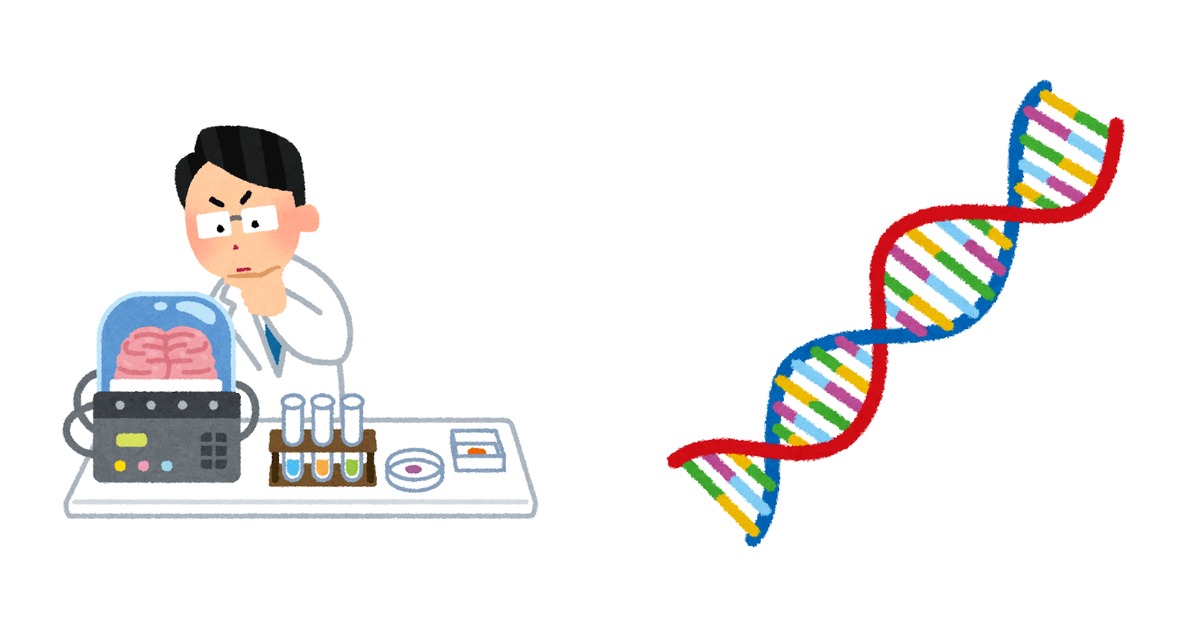
APOE is a gene on chromosome 19. It carries the blueprint for a protein that moves fats around the body.
This gene comes in three types:
- ε2: tends to lower risk (protective)
- ε3: the most common, standard type
- ε4: raises risk
One key word helps here: a “susceptibility factor” means something that makes a disease more likely without deciding it. APOE ε4 is exactly that.
This differs from early-onset familial Alzheimer’s. That rarer form, before age 65, is caused by APP, PSEN1, or PSEN2 variants. Those follow “autosomal dominant inheritance,” meaning one copy from either parent can cause the disease. The ε4 described here works differently. If you have a family history, talk to your primary care doctor first.
Is this the same as inherited Alzheimer’s?
No. Early-onset comes from APP, PSEN1, or PSEN2 variants. ε4 is just ‘susceptibility’, not the deterministic gene.
Section recap: APOE ε4 is a susceptibility factor for late-onset Alzheimer’s, not the deterministic gene seen in rare early-onset cases.
2. One ε4 Copy vs Two: Read Risk in Absolute Terms
If I carry ε4, is my fate sealed?
No. Studies show one copy raises risk roughly three to four times. That’s higher odds, definitely not certainty.
The risk from ε4 depends on how many copies you carry. Two copies raise risk far more than one, a “semi-dominant” pattern, meaning one copy matters and two copies matter much more.
Put it in absolute terms. The general lifetime risk of Alzheimer’s is roughly 1 in 10. Carrying one ε4 copy (a heterozygote) raises relative risk by about 3 to 4 times.
- No ε4: lifetime risk around 1 in 10 (general level)
- One ε4 copy (heterozygote): about 3-4x higher
- Two ε4 copies (ε4/ε4): about 60% by age 85 (about 60 out of 100)
The 2024 Nature Medicine study estimated that ε4/ε4 carriers have about a 60% chance of Alzheimer’s dementia by 85. Still, ε4/ε4 carriers are only about 2% of people, yet make up roughly 15% of cases. Many ε4 carriers never develop Alzheimer’s, and many patients carry no ε4. Late-onset Alzheimer’s is polygenic, shaped by many genes. To understand your own numbers, a board-certified medical geneticist can help.
How much worse is having two copies?
Big jump. The 2024 Nature Medicine paper estimates roughly 60% by age 85 in ε4/ε4 carriers. Still probability, not destiny.
Section recap: One copy raises risk about 3-4x; two copies reach roughly 60% by 85 — both are probabilities, not certainties.
3. Testing Options: Clinical Care vs DTC
Where can I actually get tested?
Two paths: clinical testing through a doctor, or DTC kits like 23andMe. Guidelines suggest counseling first either way.
There are two broad ways to learn your ε4 status:
- Clinical testing: ordered through medical care, with counseling and appropriate indications
- Direct-to-consumer (DTC) testing: ordered by you (for example 23andMe, Color, Invitae)
Predictive APOE testing in people without symptoms has limited benefit and is handled cautiously, because the result is probabilistic rather than a firm prediction. Before ordering a test, guidelines recommend pre-test genetic counseling. You can find a board-certified genetic counselor at NSGC.org.
Why bother with counseling before testing?
Research shows counseling reduces distress and clarifies what the number means. NSGC.org lists board-certified counselors near you.
Section recap: DTC tests can report ε4, but predictive testing is approached carefully, and counseling first is recommended.
4. What a Result Means: Risk Assessment, Not Diagnosis
If I’m positive, do I already have it?
No. Guidelines are clear: a genotype is risk assessment, not a diagnosis. Symptoms, imaging, and biomarkers make the diagnosis.
A positive ε4 result is risk assessment, not a diagnosis, and not a prediction. It does not say you will develop the disease.
A diagnosis of Alzheimer’s combines symptoms, cognitive testing, imaging such as MRI or PET, and biomarkers. A genotype alone does not diagnose anything.
The 2024 study found ε4/ε4 carriers tend to accumulate amyloid from around age 55, yet onset still ranged widely from 49 to 81. If a result is confusing, do not self-interpret; talk to your doctor or a medical geneticist.
Then how is Alzheimer’s actually diagnosed?
It combines cognitive testing, MRI or PET imaging, and biomarkers. If results confuse you, don’t self-interpret. See a clinician.
Section recap: A positive ε4 means “higher risk,” not a diagnosis or a forecast.
5. Prevention and Surveillance: Research Says ~45% Is Modifiable
My genes are fixed, so what’s the point?
That’s the hopeful part. The 2024 Lancet report estimates about 45% of dementia is tied to modifiable factors you can change.
Here is the hopeful part. The 2024 Lancet Commission listed 14 modifiable risk factors. Acting on them could prevent or delay about 45% of dementia, in theory.
The 2024 update added high LDL cholesterol and untreated vision loss. Main modifiable factors include:
- Hearing loss and untreated vision loss
- High blood pressure, high LDL cholesterol, obesity
- Smoking, physical inactivity, excess alcohol
- Social isolation, depression, head injury, air pollution
An unchangeable gene still leaves real room to lower overall risk. Specific lifestyle changes are best planned with your primary care doctor.
What specifically should I work on?
Research highlights blood pressure, LDL cholesterol, hearing, vision, exercise, and social ties. Your primary care doctor can prioritize.
Section recap: ε4 cannot change, but research estimates about 45% of dementia is tied to modifiable factors, so action matters.
6. The Treatment Landscape, and How ε4 Fits
I heard new Alzheimer’s drugs got approved?
Yes. The FDA cleared lecanemab in 2023 and donanemab in 2024. Trials show roughly 27% and 35% slowing in early disease.
New “disease-modifying” drugs target the disease process itself. They are anti-amyloid antibodies.
- Lecanemab (Leqembi): FDA approval 2023-07-06; Health Canada authorization 2025-10-25. In CLARITY-AD it slowed decline by about 27% over 18 months.
- Donanemab (Kisunla): FDA approval 2024-07-02; Health Canada approval 2026-05-01. It slowed decline by about 35% in one group.
Both slow progression rather than cure. Here is where ε4 matters. These drugs can cause “ARIA,” meaning brain swelling or tiny bleeds seen on imaging, and it is more common in ε4 carriers, especially homozygotes. So APOE genotyping is now used before treatment. In fact, Canada’s lecanemab authorization is limited to ε4 non-carriers and heterozygotes. Because eligibility and risks vary, discuss treatment with a specialist.
Can ε4 carriers still take them?
Often yes, with caution. Research shows higher ARIA risk in ε4 carriers. Canada’s lecanemab label even excludes ε4 homozygotes.
Section recap: Lecanemab and donanemab slow early Alzheimer’s, but ε4 carriers face higher ARIA risk, so genotype guides treatment.
7. Family Implications: the Cascade Idea
Could I pass ε4 to my kids?
Yes, ε4 can be inherited. But research treats this as probability, not single-gene disease. Cascade testing is a counselor decision.
ε4 can be passed from parent to child. So many people feel their result also affects relatives.
Extending testing through a family is called “cascade” testing, meaning relatives are checked in turn. But late-onset ε4 is probabilistic, so it is handled differently from single-gene disorders. Whether and how to tell children or siblings affects their wellbeing too. Decisions about disclosure are best made with a board-certified genetic counselor.
How should I even tell my family?
Disclosure is sensitive. Studies emphasize involving a board-certified genetic counselor, since how you tell shapes how relatives cope.
Section recap: ε4 can be inherited, but it is probabilistic; share results thoughtfully and with professional guidance.
8. Psychosocial Impact and the Law (GINA)
Honestly, I’m losing sleep over this.
That reaction is normal. Research shows pre and post-test counseling cuts distress. Please don’t sit alone with this worry.
Genetic results affect emotions. Worry about “Will I get it?” is a natural response.
There are social concerns too. In the US, the Genetic Information Nondiscrimination Act (GINA) protects against genetic discrimination in health insurance and employment. But GINA does not cover life, disability, or long-term-care insurance. So disclosure decisions deserve care.
If you feel overwhelmed by what to disclose or when, do not carry it alone; talk to a board-certified genetic counselor or your doctor.
Could a result hurt my insurance or job?
GINA protects health insurance and employment, but it doesn’t cover life, disability, or long-term-care insurance. Plan disclosure carefully.
Section recap: Worry is normal; GINA covers health insurance and jobs but not life, disability, or long-term-care insurance, so plan disclosure carefully.
Frequently Asked Questions (FAQ)
Q1. If I carry APOE ε4, will I definitely get Alzheimer’s? No. ε4 is a susceptibility factor, not a verdict. Even ε4/ε4 carriers have about a 60% chance by 85, and some never develop it.
Q2. Will my children inherit it? ε4 can be passed on. But it is probabilistic. Discuss disclosure and cascade testing with a board-certified genetic counselor.
Q3. Where can I get tested, and is it covered? Clinical and DTC options exist, but predictive testing is approached cautiously. Check coverage with your provider and counsel first.
Q4. Will testing affect my insurance or job? GINA protects health insurance and employment, but not life, disability, or long-term-care insurance. Plan disclosure with a professional.
Q5. Can I still get the new drugs if I’m an ε4 carrier? Often yes, but ε4 carriers face higher ARIA risk. Genotyping is done before treatment, and Canada’s lecanemab label excludes homozygotes. Ask a specialist.
Summary: ε4 Is Probability, Action Is Yours
APOE ε4 is the strongest genetic risk factor for late-onset Alzheimer’s. One copy means about 3-4x, and two copies reach roughly 60% by 85 — but both are probabilities, not destiny.
A test result is risk assessment, not a diagnosis. Meanwhile, research estimates about 45% of dementia is tied to modifiable factors. New drugs exist, and ε4 status now guides their safe use.
When you feel unsure, do not decide alone. Talking to your primary care doctor, a medical geneticist, or a board-certified genetic counselor is the most reliable first step.
This article is for educational purposes only and is not a substitute for advice from a licensed physician, board-certified medical geneticist, or board-certified genetic counselor. Decisions about testing, interpretation, family disclosure, and treatment should be made with qualified clinicians. In emergencies, call 911 (US/Canada) or 119 (Japan).
References
- Fortea J, et al. (2024) APOE4 homozygosity represents a distinct genetic form of Alzheimer’s disease. Nature Medicine. https://www.nature.com/articles/s41591-024-02931-w
- Livingston G, et al. (2024) Dementia prevention, intervention, and care: 2024 report of the Lancet standing Commission. Lancet. https://www.thelancet.com/journals/lancet/article/PIIS0140-6736(24)01296-0/fulltext
- van Dyck CH, et al. (2023) Lecanemab in Early Alzheimer’s Disease (CLARITY-AD). New England Journal of Medicine. https://www.nejm.org/doi/full/10.1056/NEJMoa2212948
- Sims JR, et al. (2023) Donanemab in Early Symptomatic Alzheimer Disease (TRAILBLAZER-ALZ 2). JAMA. https://jamanetwork.com/journals/jama/fullarticle/2807533
- Genin E, et al. (2011) APOE and Alzheimer disease: a major gene with semi-dominant inheritance. Molecular Psychiatry. https://www.nature.com/articles/mp201152
- National Institute on Aging (NIA/NIH). Alzheimer’s Disease Genetics Fact Sheet. https://www.nia.nih.gov/health/alzheimers-causes-and-risk-factors/alzheimers-disease-genetics-fact-sheet
- FDA / Health Canada. Approval information for lecanemab and donanemab. https://www.fda.gov/
- ACMG / NSGC. Genetic testing and counseling guidance. https://www.nsgc.org/
- US EEOC. Genetic Information Nondiscrimination Act (GINA). https://www.eeoc.gov/genetic-information-discrimination
- Bellenguez C, et al. (2022) New insights into the genetic etiology of Alzheimer’s disease and related dementias. Nature Genetics. https://www.nature.com/articles/s41588-022-01024-z
Last updated: 2026-06-14
Author: Genetic Disease Research editorial team. This article aggregates 10 sources from peer-reviewed medical literature and public health agencies (tier 1=9 / tier 2=1), including NIH (NIA), FDA, Health Canada, ACMG/NSGC guidance, and PubMed-indexed publications.
This article is for educational purposes only and is not a substitute for medical advice from a licensed physician, board-certified medical geneticist, or board-certified genetic counselor. In emergencies, call 911 (US/Canada) or 119 (Japan).
Image: AI-generated illustration via open Hugging Face Spaces (Qwen-Image).
Comments